A brief cooling period arrived in central North Carolina this week, giving the Triangle and surrounding counties a pause from temperatures that had been running well above seasonal norms. According to CBS17.com, it's a temporary break — not a reset.
That framing matters. A break is not permission to exhale and move on. It's a repair window.
What's actually changing
North Carolina summers have always been humid and punishing, but the pattern households are navigating is longer stretches of consecutive high-heat days rather than spikes sandwiched by relief. The Piedmont — Raleigh, Durham, Chapel Hill, Greensboro — sits in a geography that traps heat: flat enough to bake, humid enough to suppress the body's cooling, and urbanized enough that overnight temperatures don't drop far.
The practical problem for households isn't a single 100-degree afternoon. It's four or five days in a row where the overnight low stays above 78°F, indoor spaces never fully recover, and cumulative physiological stress compounds. The NC Department of Health and Human Services publishes heat safety guidance each summer, and their consistent emphasis is on nighttime recovery — the period most households underestimate.
Power grids reflect this too. Duke Energy and Dominion Energy North Carolina both issue demand alerts during sustained heat events, not just peak afternoon hours. Extended grid stress means the risk of rolling disruptions is real even if full outages are unlikely. "Prepare for the grid to strain" is different from "prepare for the grid to fail," and conflating the two leads to either panic-buying or complacency.
What we'd actually do
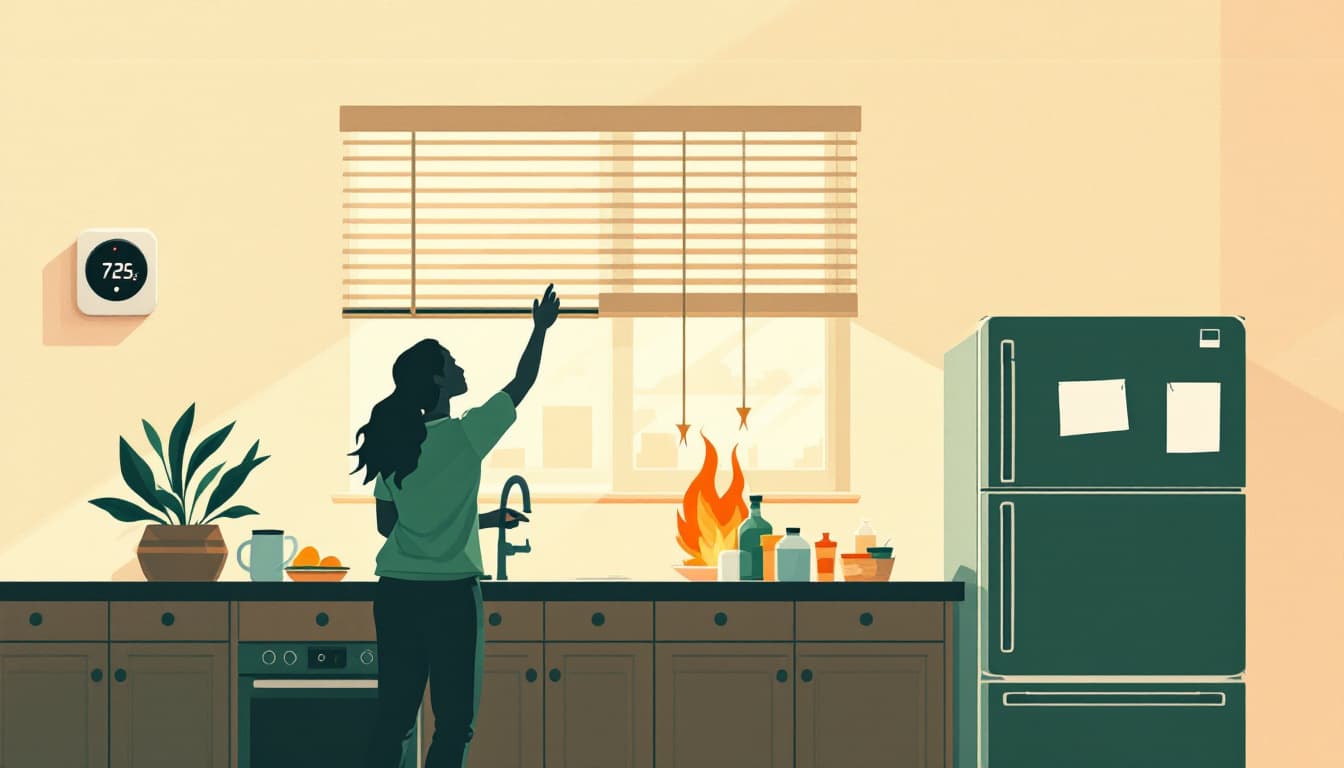
Audit your home's overnight cooling performance right now, while it's cooler. Walk your house tonight at 10 p.m. and check the temperature in bedrooms versus the main living area. If sleeping spaces are running more than three or four degrees hotter, you have a convection or insulation problem — not just an air-conditioner problem. Attic bypasses around recessed lights and unsealed interior walls are common culprits in NC's older ranch and split-level housing stock. A can of expanding foam and weatherstripping tape are both under $10 at any hardware store and can meaningfully change overnight recovery.
Identify your household's most heat-vulnerable person and make a plan specific to them. This is not abstract. If you have someone over 65, someone on diuretics or beta-blockers, or a child under five, their heat risk is categorically different from yours. The NC climate and health data are consistent: heat mortality clusters in people who were left without a cooling strategy, not people who were caught by surprise outdoors. A named plan — "if the house hits 85°F at 9 p.m., we go to Aunt Linda's or the Durham County library" — is more durable than general awareness.
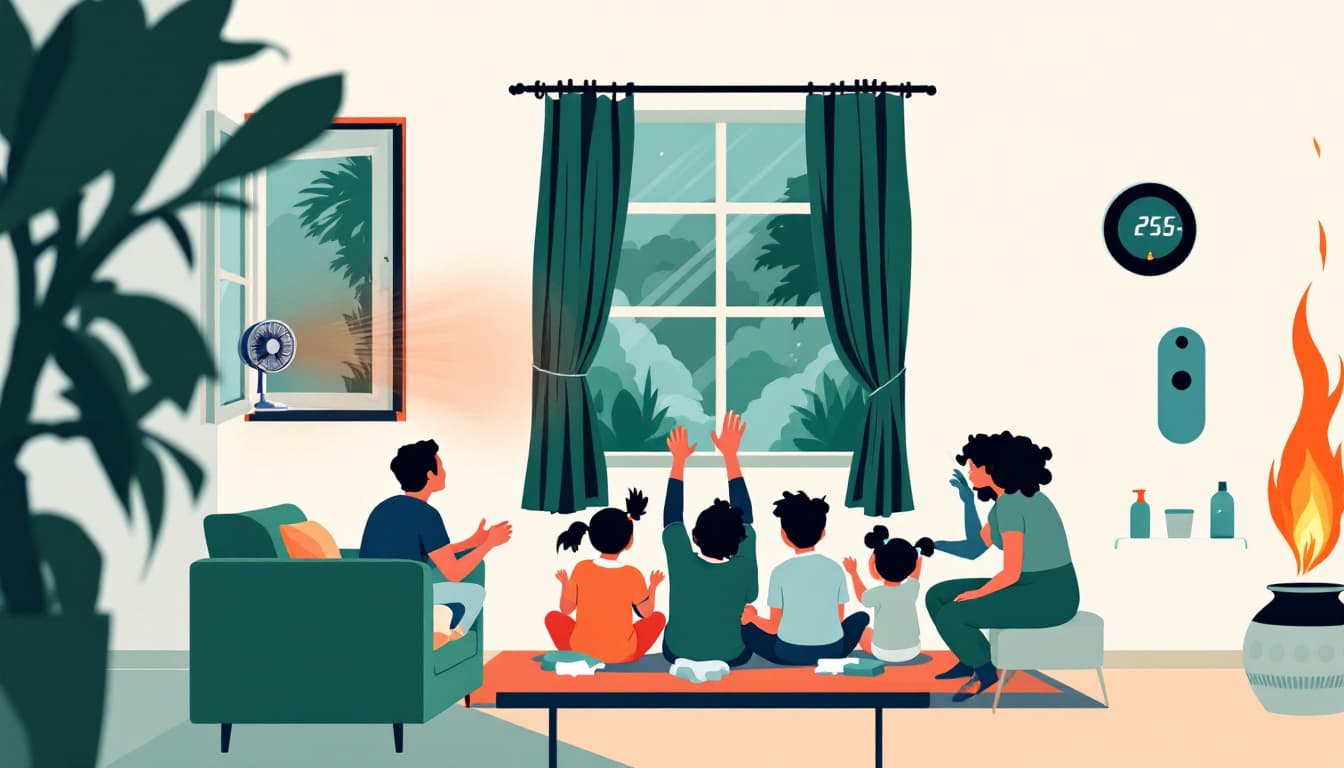
Stress-test your backup cooling before the next wave. Portable AC units, window units pulled out of storage, box fans — run them now, not on the first day of the next heat event. Check that window units are sealed against humidity infiltration, which is as much a comfort issue as a cooling one in North Carolina's climate. If you rely on a portable unit, confirm you know where the exhaust hose vents and that it's actually clearing heat from the space, not recirculating it.
Build a three-day water buffer beyond drinking needs. Sustained heat increases household water use significantly — not just hydration, but cooling towels, misting, pet care, and garden survival. Municipal systems in central NC have historically handled demand well, but pressure drops in outlying areas during high-draw periods are documented. Thirty gallons stored in food-grade containers costs roughly $25 and solves a problem most households don't think about until it appears.
Know the nearest public cooling center by address, not just by concept. Wake County, Mecklenburg, and Guilford County all maintain cooling center lists updated each summer. Find yours before you need it. Cell service and internet access are less reliable when you're heat-compromised and stressed, so write the address down on paper and keep it on the refrigerator.
The bigger picture
Heat is the deadliest weather hazard in the United States by annual mortality — not tornadoes, not hurricanes. It kills quietly, incrementally, and disproportionately in households that assumed they had more time than they did.
North Carolina's geography and climate mean this is not a future concern. The goal here isn't to alarm anyone into buying a generator. It's to use a calm week to fix two or three specific things so that the next heat stretch — which CBS17.com is already signaling is coming — lands on a household that's genuinely more durable than it was last week.
That's the whole job.