The Durham Herald Sun reported this week that a heat advisory is in place for Eastern North Carolina through Thursday evening. That's the Coastal Plain and Piedmont fringe — think Goldsboro, Greenville, Wilson, Rocky Mount, and the communities between them. Heat index values in advisories typically run 105°F to 110°F for several hours during peak afternoon. That range is not survivable for long without shade, hydration, or air conditioning.
This is not a catastrophe article. Heat advisories happen in North Carolina summers. But there is a gap between the National Weather Service issuing an advisory and a household actually being ready for what the next 48 hours might require. That gap is where we operate.
What's actually happening
Eastern NC sits lower, flatter, and more humid than the mountains or even the Triangle. The urban heat island effect in places like Greenville or Rocky Mount can push feels-like temperatures several degrees above surrounding rural areas. Manufactured housing — common across this region — heats faster than site-built homes and retains that heat overnight. Older window units lose efficiency over time and may not keep pace during a sustained advisory.
The secondary risk is grid load. Duke Energy Progress serves most of Eastern NC, and sustained heat events pull demand up sharply in the afternoon. Rolling curtailments are not common, but localized outages from overloaded equipment are. If your AC goes out at 2 p.m. on a 107°F heat index day, you have roughly 90 minutes before interior temperatures in a closed home become dangerous for elderly residents or young children.
Medication storage is an underreported issue. Insulin, some heart medications, and certain thyroid drugs have storage temperature ceilings. A power outage that lasts four or more hours in this heat can compromise drugs sitting in a refrigerator that's warming. Know which of your household's medications are temperature-sensitive before you need that information.
What we'd actually do
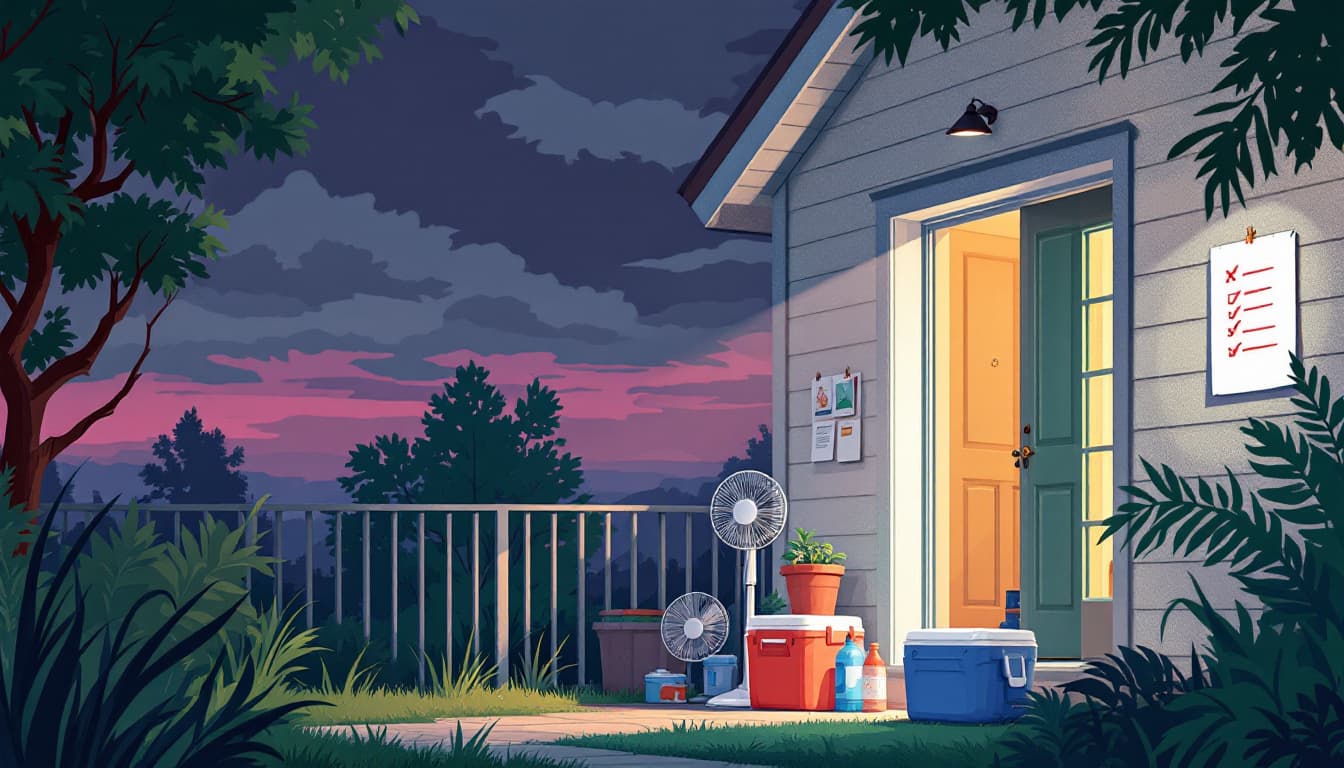
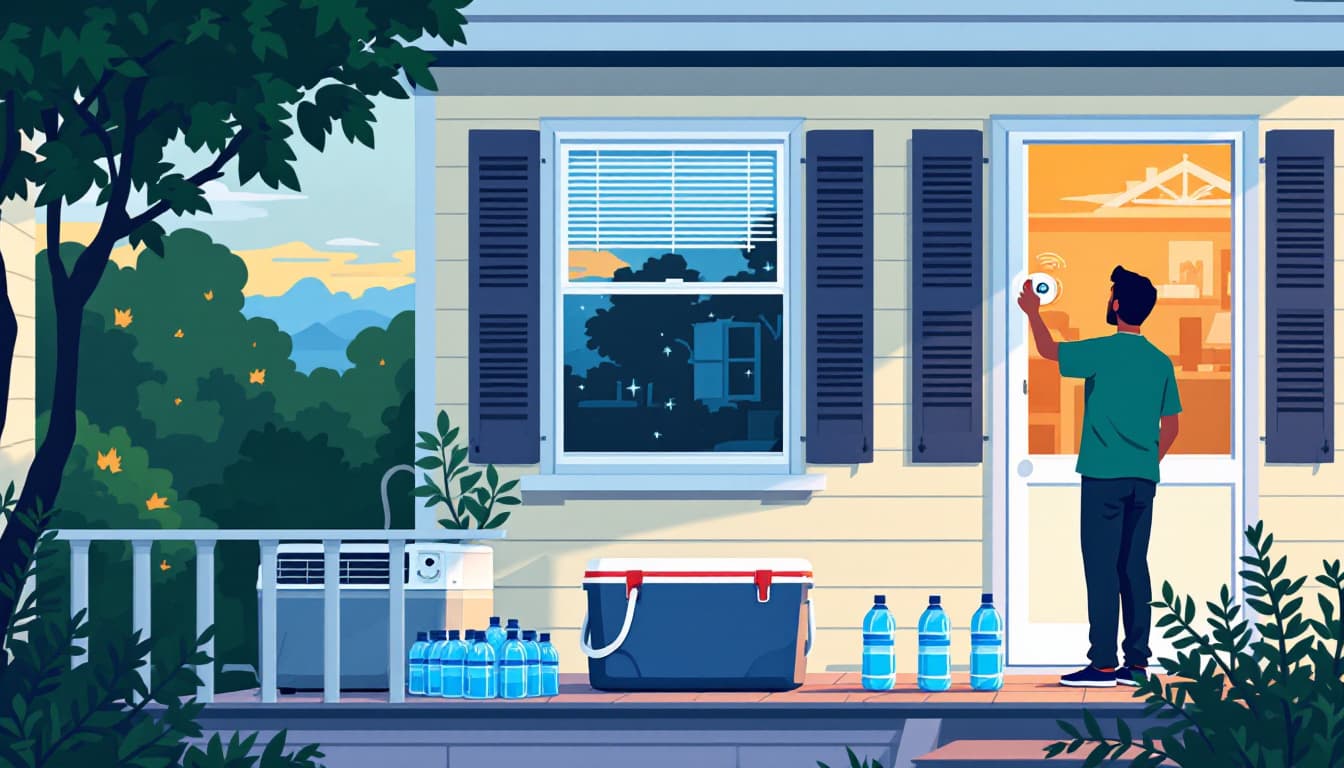
Fill a dedicated "no-power cooling kit" today, before temperatures peak. This is not gear shopping — it's assembling what you already have. A spray bottle, several frozen water bottles (make extras now while power is on), a battery-powered or USB fan, and light cotton clothing in one bag. If the power goes out at 2 p.m., you should not be searching three rooms for these things.
Identify your nearest cooling center and confirm its hours before you need it. North Carolina's 100 county health departments are required to designate cooling centers during declared heat emergencies. Call your county's emergency management line or check the county website today. Do not assume the nearest library or rec center is open — hours vary, and some centers require advance check-in for elderly residents needing transportation assistance.
Check the medications in your home and know the storage ceiling for each. If someone in your household takes insulin or another temperature-sensitive drug, put a sticky note on the fridge with the drug name, the storage maximum (usually 77°F to 86°F unrefrigerated), and the number for your pharmacy. If power goes out, you'll need to decide quickly whether to transfer medications to a cooler with ice or get to a climate-controlled space.
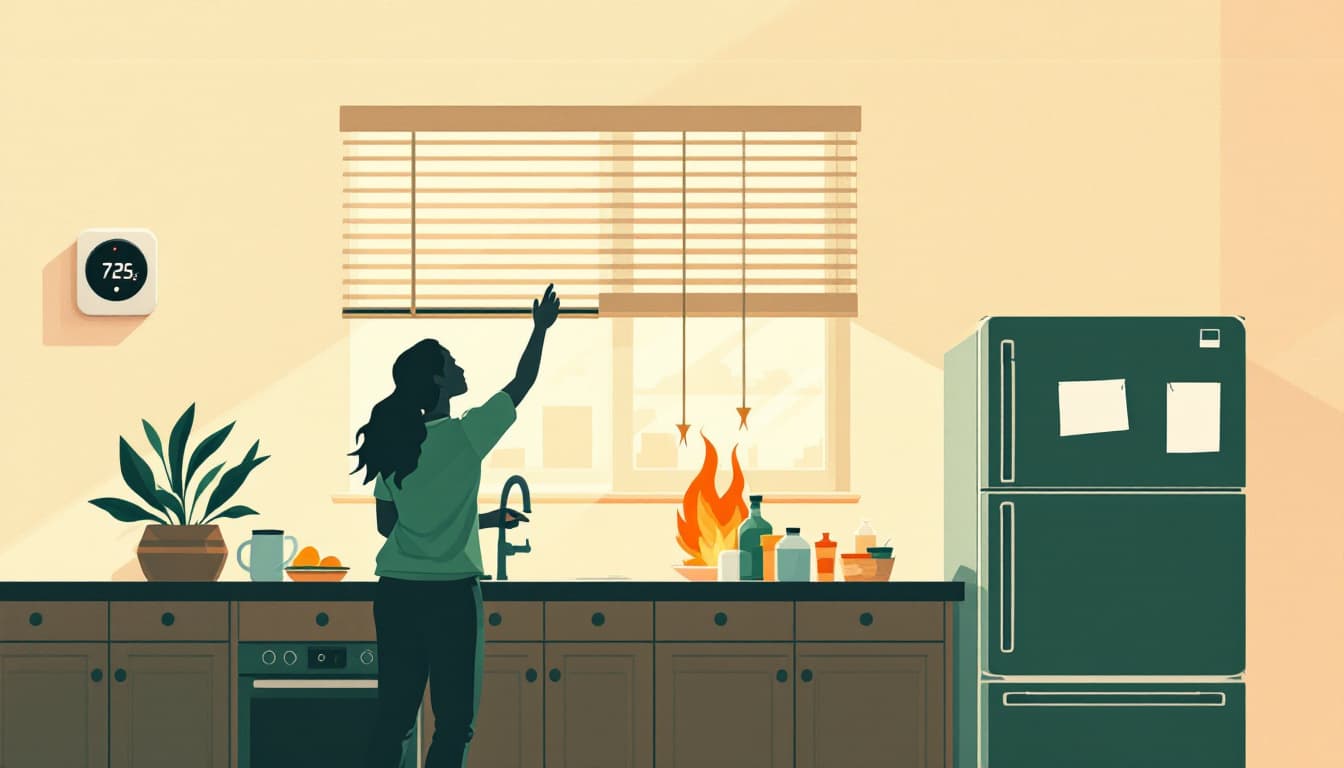
Audit your window units before peak afternoon heat, not during it. A unit that's struggling — cycling on and off frequently, not dropping room temperature below 80°F — likely has a dirty filter or is undersized for the room. Clean the filter today. It takes three minutes and can drop energy draw significantly. If the unit genuinely can't keep pace, designate one room in your home as the "cool room" and consolidate people and medications there during the hottest hours.
Plan one vehicle-based escape route if your home loses power after dark. Nighttime is when heat-related deaths spike in residential settings because people assume the danger has passed. It hasn't — overnight lows in Eastern NC during a heat event often stay above 80°F. A car with working AC parked in a shaded spot is a legitimate cooling resource. Know where you'd go: a 24-hour pharmacy, a friend's home, a motel with available rooms. Think it through now.
The bigger picture
North Carolina averages more heat-related emergency room visits per summer than most residents expect, and the eastern counties carry a disproportionate share of that burden. This week's advisory is a contained event, not a sign of civilizational collapse. But the households that handle it without incident are the ones that made a few low-cost decisions before the temperature peaked — not the ones that reacted after.
Durability looks like a spray bottle, a list of phone numbers, and knowing where your medications stand. That's the whole game this week.