A WSMV report this week documented severe weather moving through Middle Tennessee and Southern Kentucky — the kind of fast-moving system that drops trees on power lines, floods low-lying roads along the Cumberland and Duck River corridors, and leaves households without power for anywhere from six hours to four days. It is not a rare event for this region. It is the default summer pattern.
That's the part storm coverage rarely says plainly: for Middle Tennessee households, severe weather in June, July, and August is not an anomaly to survive. It is a recurring operating condition to plan around.
What actually breaks down, and when
The storm itself is rarely the household problem. The problem is the cascade that follows. Power goes out. The sump pump stops. The refrigerator runs down over twelve hours. Medications that require refrigeration sit in a 90-degree house. A phone battery hits 8% just as the NWS pushes a tornado watch for Williamson County.
Tennessee's grid restoration times vary significantly by location. Urban Nashville and suburban Brentwood corridors tend to see TVA and distributor crews restore power within 6-12 hours on a typical storm. Rural households in counties like Hickman, Lewis, or Smith can wait 48-72 hours or longer after a significant event. If you are outside a major suburban corridor, that gap is your planning baseline, not the shorter urban estimate.
The other failure point specific to Middle Tennessee: flash flooding. The region's karst topography and the way storm runoff channels through creek bottoms means roads that look passable at 7 p.m. are underwater by 9 p.m. Several Tennessee counties have seen repeated flood fatalities tied specifically to vehicles entering flooded roads after dark. This is not a fringe risk.
What we'd actually do
Check your medication cold chain before the next storm, not during it. Identify every medication in your household that requires refrigeration — insulin, certain biologics, some liquid antibiotics — and know the manufacturer's out-of-refrigeration window for each. Most insulin formulations can tolerate room temperature for 28-30 days once opened, but that varies by type and brand. A small 12V cooler that runs off a car adapter costs around $35-50 and handles this problem for most households without a generator.
Program the Tennessee Emergency Management Agency alert system and the NWS Nashville office into your phone contacts now. TEMA's TN-Alert system and NWS Nashville both push wireless emergency alerts, but those only work if your phone is on and charged. The more useful habit is checking NWS Nashville's hazardous weather outlook — a daily plain-text bulletin — the morning before any forecast showing afternoon thunderstorm potential. It takes 90 seconds and replaces doomscrolling weather apps that sensationalize.
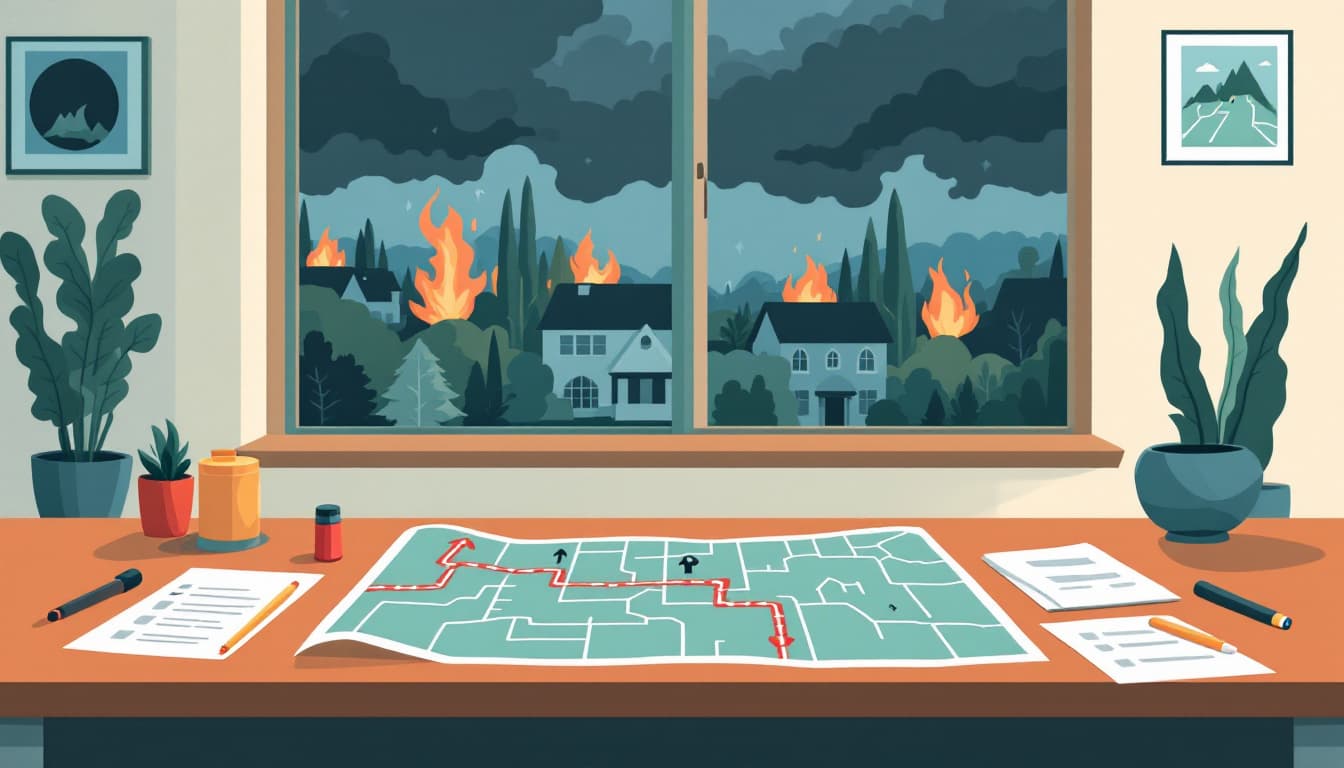
Identify the one road out of your neighborhood that doesn't cross a low-water bridge or creek crossing. Pull up your county's GIS map or Google Maps satellite view and trace your two most common exit routes. Mark which ones cross water. In a flash flood event, knowing in advance which route stays dry is the difference between leaving calmly and making a bad decision under pressure.
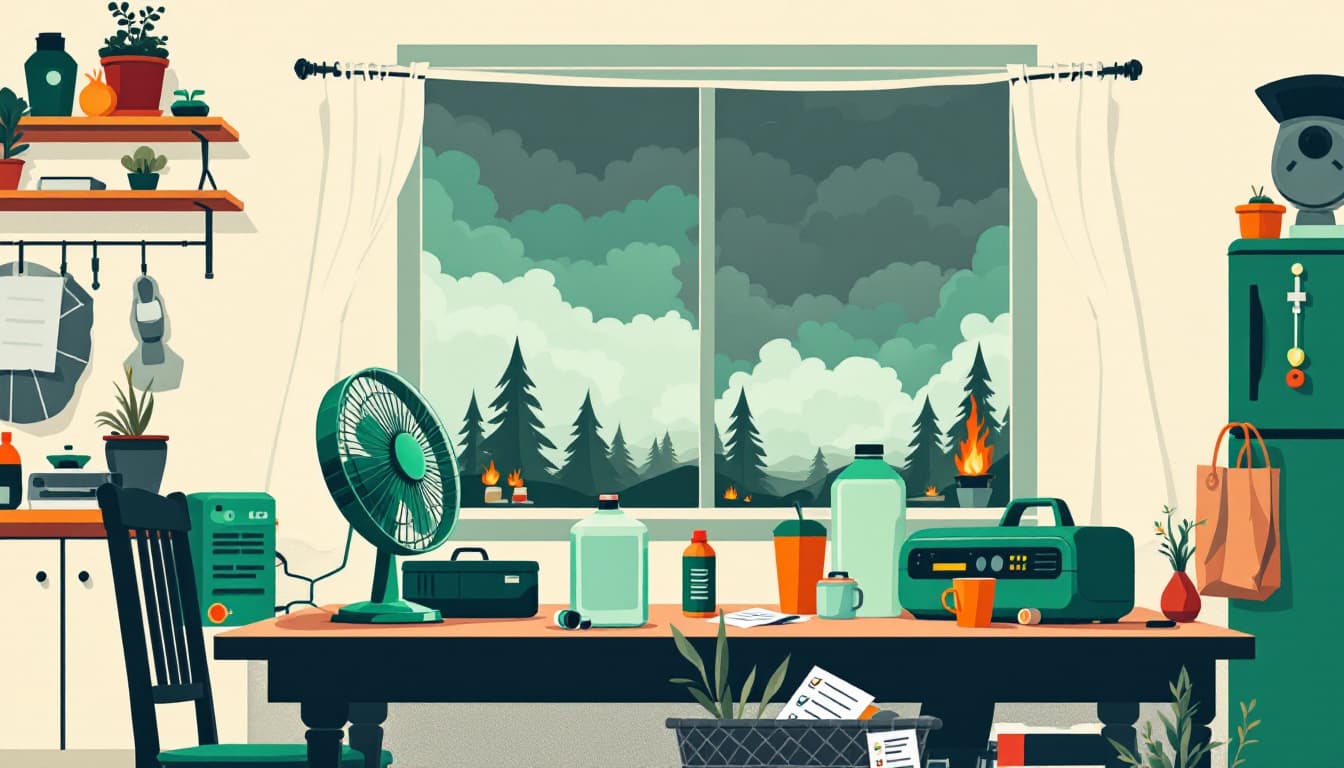
Keep a minimum 72-hour water reserve, stored at ground level, not in the garage attic. Tennessee's August heat turns a garage into an oven. One gallon per person per day is the standard floor. For a household of four, that's twelve gallons — six standard jugs from any grocery store, rotated every six months. The barrier is usually storage logistics, not cost.
Test your battery backup or generator load before storm season peaks. If you have a generator, run it under load for 30 minutes now — not when the power is already out. Fuel stabilizer in stored gasoline degrades over winter. Many households discover their generator won't start at the exact moment they need it. The same principle applies to power stations: plug in a lamp and a phone and confirm the battery is actually holding charge.
The bigger picture
Tennessee's severe weather window runs roughly March through October, with a secondary peak in late fall. That is not a season to prep for — it is most of the year. The households that handle these events without crisis are not the ones with the most gear. They are the ones who normalized a few small habits: a charged power bank, a known evacuation route, a 72-hour water supply, and a medication plan. None of that requires a bunker mindset or significant expense.
Durability looks boring from the outside. That's the point.