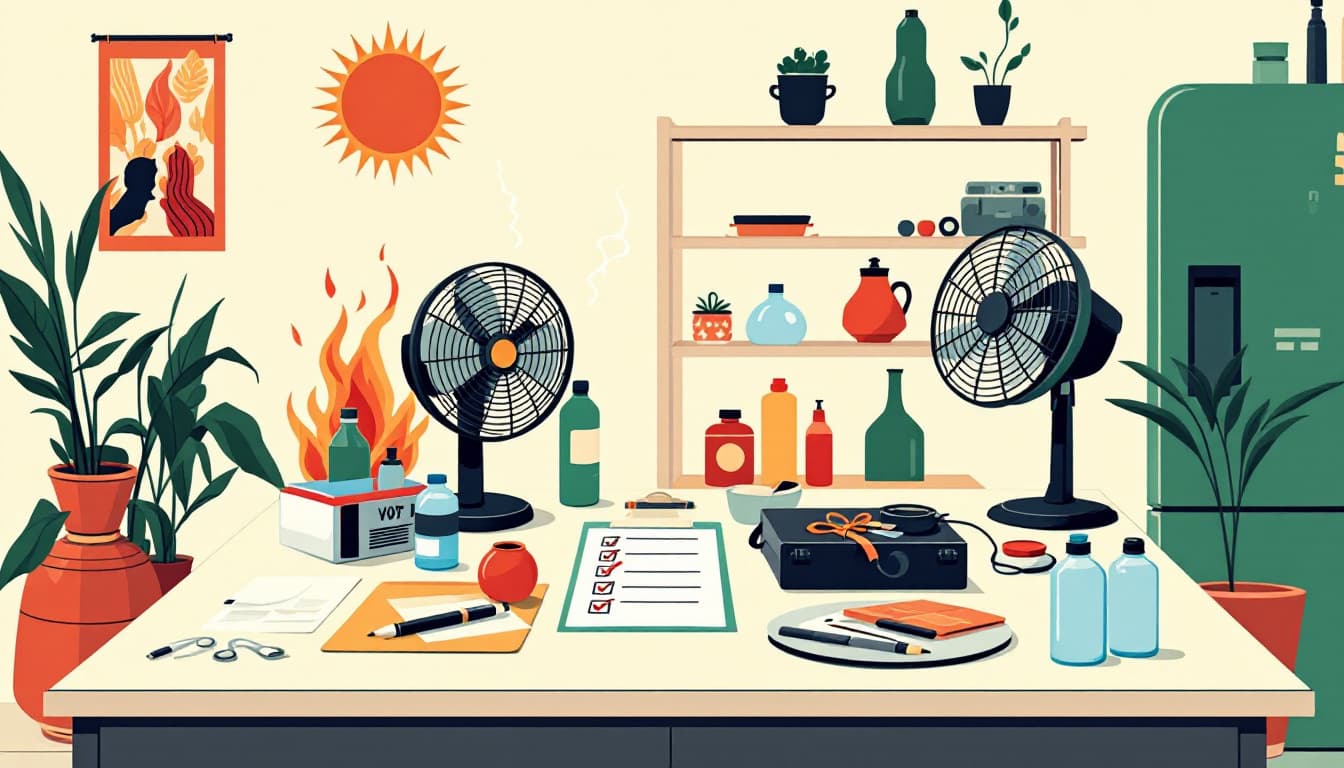
A KATC advisory issued this week names two simultaneous threats to Louisiana: Tropical Storm Bertha is drawing attention in the Gulf, and extreme heat is already pressing down on the state today. Those two things don't cancel each other out. They compete for your attention while stressing your household in opposite directions, and that's the problem.
What's Actually Happening
A tropical system and a heat event arriving together is not a fluke in early August — it's a predictable feature of peak Gulf season. But the combination creates a planning trap. Heat demands you keep power running for cooling. A storm threatens to knock power out. Preparing for one can undercut the other if you're not deliberate.
Bertha's track and intensity will evolve — the National Hurricane Center updates advisories every six hours during active systems, and any household plan built around a forecast more than 48 hours old is already stale. What doesn't change: southeast Louisiana, the Acadiana coast, and the areas around Lake Charles and the Atchafalaya Basin are all exposure zones regardless of where a named storm makes landfall. Storm surge, inland flooding, and wind damage don't require a direct hit.
The heat piece is separate and immediate. When the heat index in Baton Rouge, Lafayette, or New Orleans crosses 110°F — which recent summers have made routine — the window for outdoor prep work shrinks to early morning hours only. That affects everything from boarding windows to moving outdoor furniture.
What We'd Actually Do
Check the NHC cone today, then again in 48 hours. The National Hurricane Center's advisory page (nhc.noaa.gov) gives you track probability and storm surge maps. One look now tells you whether Bertha is a monitoring situation or an action situation for your specific parish. Louisiana's coast curves in a way that makes landfall location matter enormously — a storm hitting near Grand Isle behaves very differently for Houma than for Lake Charles.
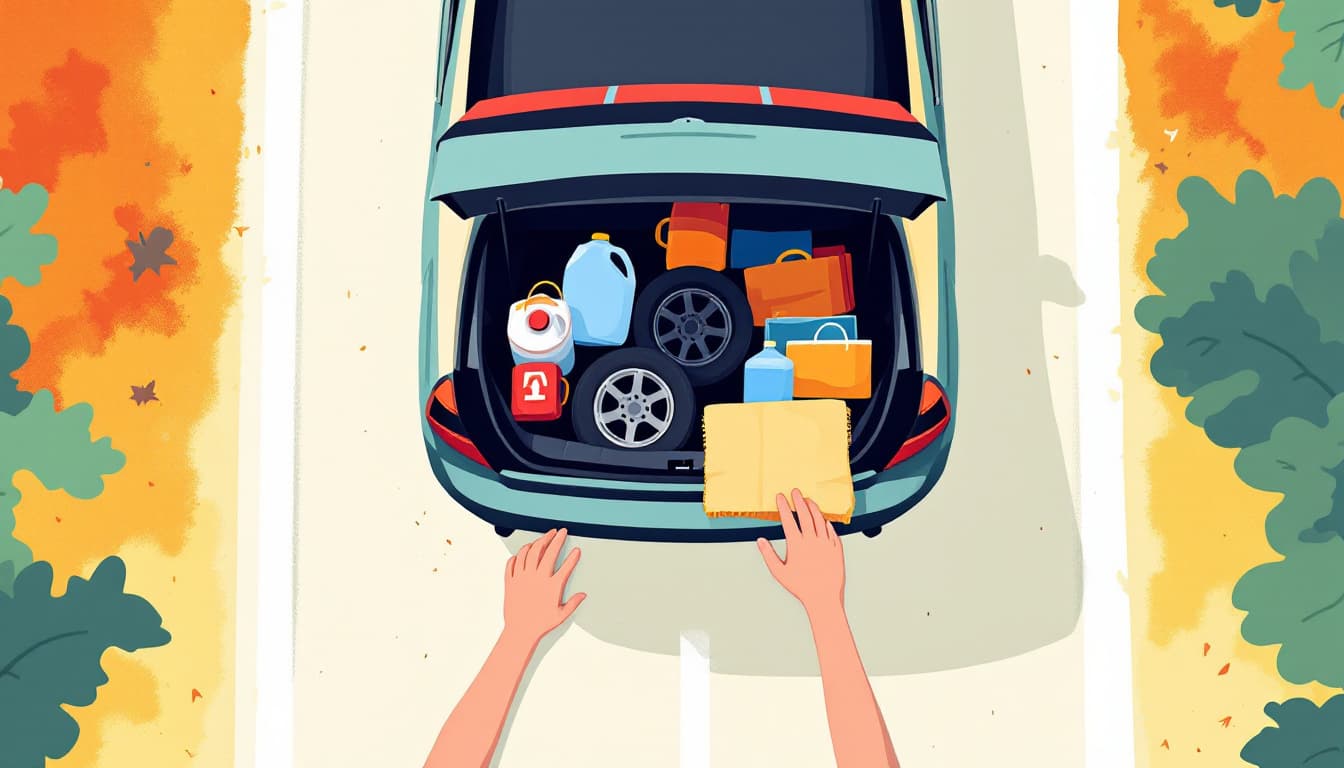
Fill your vehicle's gas tank before 9 a.m. tomorrow. If an evacuation order comes for coastal parishes, fuel lines form within hours of an announcement. The heat also matters here: midday refueling during extreme heat while stressed and rushed is where people make mistakes. Doing it early, calmly, and before any order drops removes that friction entirely.
Audit your power-outage cooling plan right now, not after the storm. A generator is useful only if you have fuel for it and a plan for where it runs — outside only, away from windows and doors. If you don't have a generator, identify the nearest cooling center in your parish; Louisiana's OHSEP and local parish offices of homeland security publish updated lists during heat advisories. Know the address before you need it.
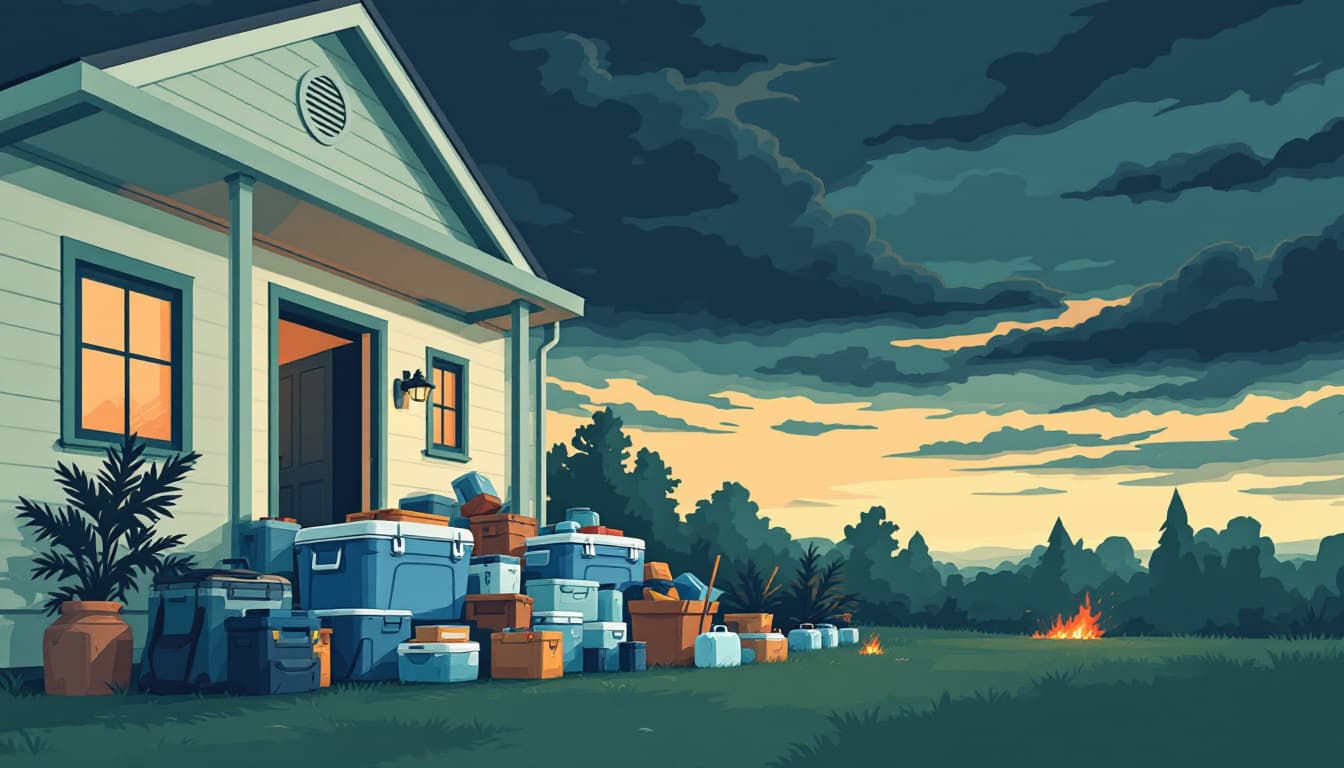
Secure outdoor items before the heat peaks, not after. Patio furniture, propane tanks, potted plants, and unsecured lawn equipment become projectiles in tropical-force winds. Moving them into a garage or shed is a 30-minute job. Doing it at 7 a.m. is manageable. Doing it at 2 p.m. in 105°F heat index is dangerous.
Charge every battery you own tonight. Phones, portable power banks, weather radios, rechargeable lanterns. If power goes out during or after Bertha, charged devices on day one become scarce by day three. Louisiana households that lost power during past Gulf storms reported that communication — not food or water — was the first real gap. A $30 hand-crank weather radio with NOAA all-hazards reception is more useful right now than most gear on any prepper list.
The Bigger Picture
Louisiana households aren't strangers to this. The state has built institutional memory around hurricane prep, and that's genuinely useful. But the double-threat pattern — storm risk layered on top of a heat emergency — is where even experienced households get caught. The instinct is to wait for the storm track to clarify before acting. The heat doesn't wait.
Durability in Gulf Coast preparedness means building systems that work across threat types, not just optimizing for one scenario. A household that can stay cool safely, evacuate on short notice, and communicate without cell service has covered most of what August in Louisiana can throw at it.
Watch the NHC advisory. Move early on fuel and outdoor gear. Know your cooling fallback. That's the week.