Pull up the satellite view of any American suburb and you'll see something interesting: nearly every residential street in a two-mile radius looks roughly the same. Same curve radii, same lot depths, same tree canopy. If your phone dies while you're driving an unfamiliar errand in that suburb — say, after a dentist appointment in a town you've visited once — you will, at some point, have absolutely no idea which direction you're pointed.
This happens to people. Often. Not because they're careless, but because GPS navigation has quietly eliminated the cognitive habit of orienting yourself in space. We have outsourced that function so completely that most adults under 45 can't reliably answer the question: which way is north right now?
That's worth fixing. Not because the grid is going down. Because it's a useful, compounding skill that almost nobody bothers to develop anymore — and neglecting it has visible costs in everyday life before it has any emergency-scenario costs.
What the skill actually involves
Basic navigation literacy has three separable components, and they're not equally hard to learn.
Map reading — understanding scale, contour lines, grid references, and the difference between magnetic north and true north — takes a few focused hours with a decent topographic or street map and a willingness to quiz yourself. The U.S. Geological Survey publishes free topographic maps for the entire country; you don't need to buy anything.
Compass use — orienting a map, taking a bearing, following it while walking — is a half-day skill if you have someone to show you, or a full weekend if you're learning from a book. Basic orienteering courses run in many cities for under $50, often through local hiking clubs or community colleges.
Dead reckoning — estimating your position based on a known starting point, your speed, your direction, and elapsed time — is the most intellectually interesting of the three, and it transfers directly to road navigation, hiking, boating, and even urban walking.
You don't need to master all three to get meaningful value. Learning even the first one well — genuinely being able to read a paper map — puts you ahead of roughly 80 percent of people your age.
Why people get this wrong
The mistake most preparedness-minded people make when they think about navigation is imagining a dramatic scenario: lost in the woods, injured, no phone signal. That framing makes the skill feel niche, extreme, optional.
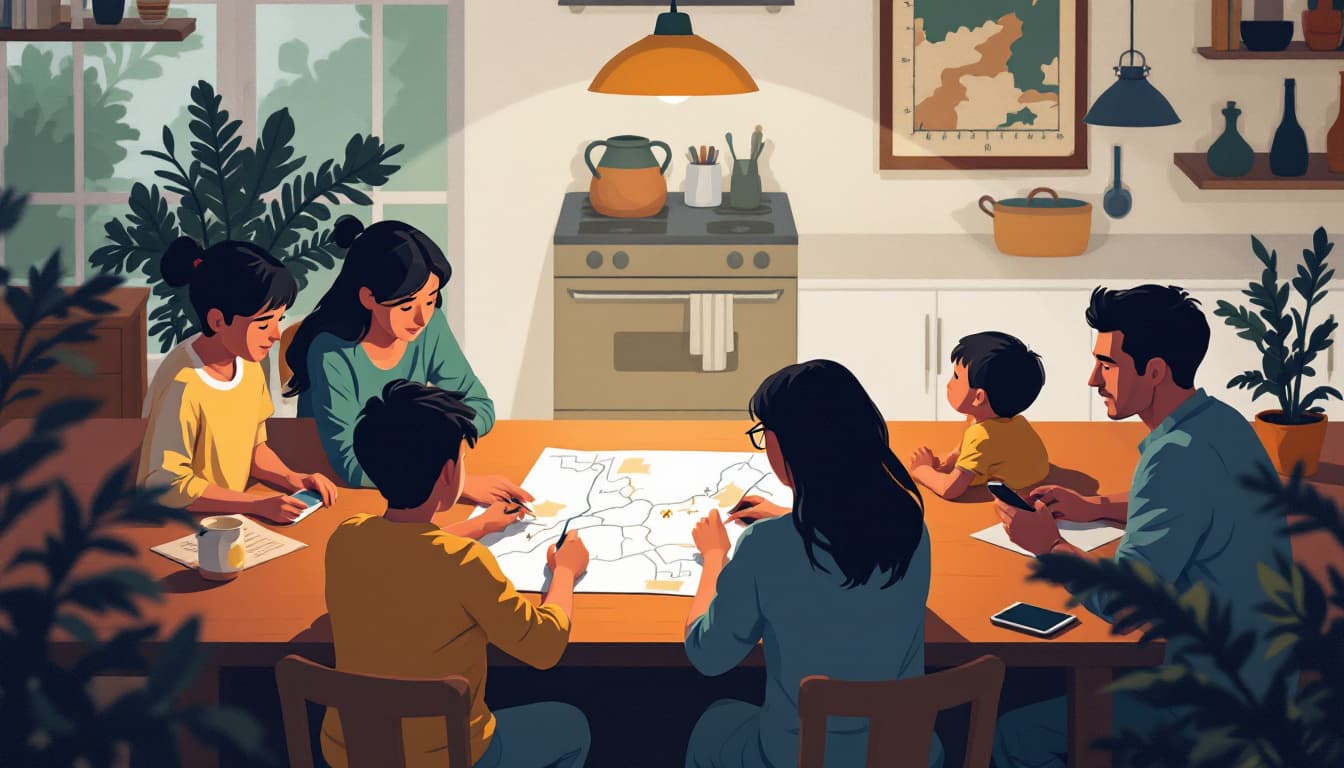
The real argument is the opposite of dramatic. The same mental map-reading habit that lets you navigate without GPS also makes you a more spatially aware driver, a more confident traveler in unfamiliar cities, and — this matters for families — a parent who can teach a teenager something genuinely useful about how to move through the world.
There's a subtler point too. Skills that require active orientation — paying attention to landmarks, noticing which direction the afternoon sun is, tracking how far you've walked — build a type of environmental awareness that atrophies when we stop exercising it. That awareness is worth having independent of any emergency.
The compounding under stress is real, but it's also not mysterious: practiced skills don't require cognitive bandwidth. If you've spent an afternoon finding your way around a city with only a paper map, you won't freeze when your phone dies on a road trip. You'll just do the thing you already know how to do.
What to do this week
This is genuinely a one-week project at the hobby level.
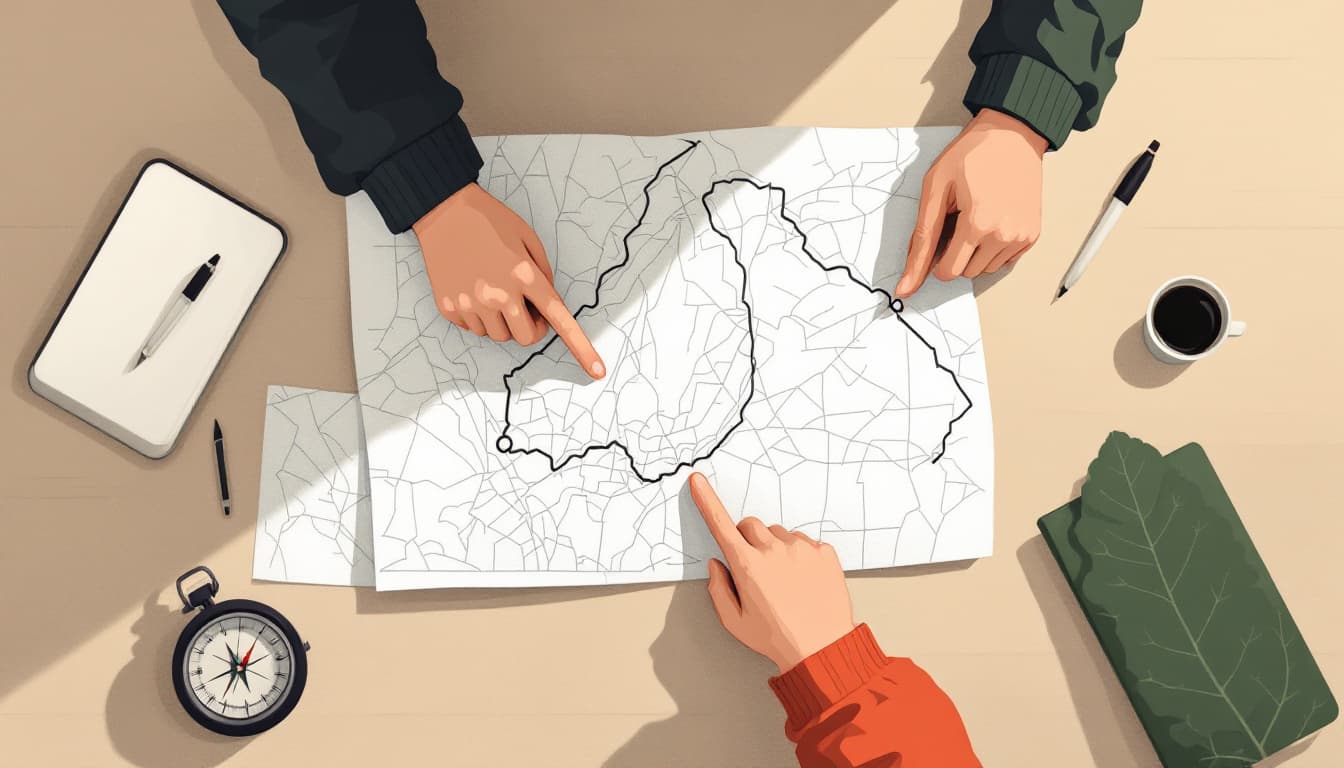
Day one: Download a USGS topographic map of your county from the national map viewer (nationalmap.gov) and print a section. Spend twenty minutes identifying three landmarks you know — a road intersection, a park, your neighborhood — and find them on the map. Confirm your intuitions about scale and direction.
Mid-week: Buy a baseplate compass. Budget models from established outdoor brands run $15–25 and are fully adequate for this purpose. Watch one reliable tutorial on how to orient a map to a compass bearing. Do it once in your front yard.
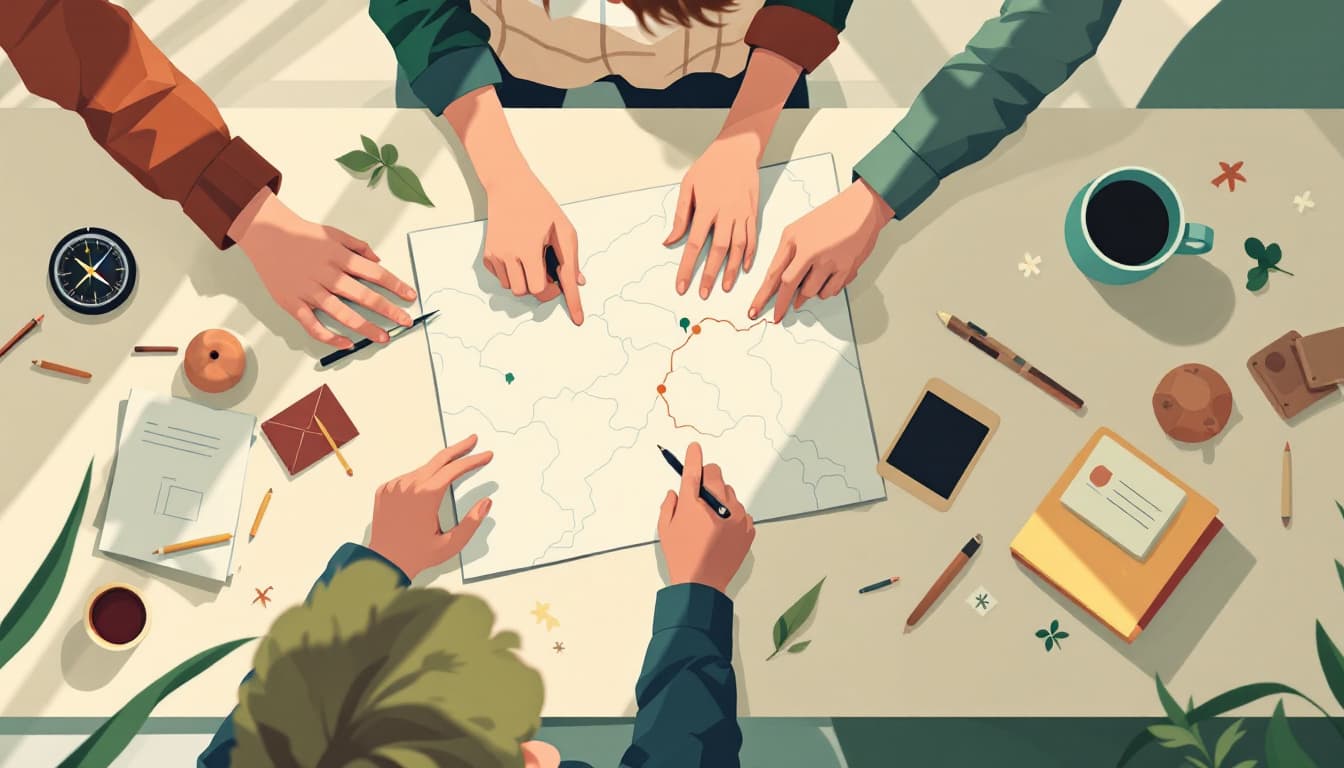
Weekend: Take a paper map of an unfamiliar part of your city or a nearby state park and navigate for ninety minutes without touching your phone. Note where you got confused and why.
That's it. Three low-commitment sessions. You will be noticeably more capable than when you started.
The bigger picture
There's a pattern worth naming here. The skills that genuinely compound in an emergency are almost always skills that were already paying off in normal life. The preparedness-specific framing — learn this for when things go wrong — tends to make useful habits feel optional and distant. Most people don't act on distant.
Navigation is a clear example of the opposite framing: this is a life skill you happen to have let atrophy because a technology made it easy to ignore. Recovering it costs a weekend. The returns are immediate, practical, and accumulate every time you travel somewhere new.
The emergency resilience is almost a footnote.