Pull up the directions to somewhere you've driven a dozen times. Now close the app and try to describe, out loud, which direction you'd walk if your phone died two miles from your destination.
Most adults under 45 can't do it. Not because they're careless, but because GPS navigation is designed to eliminate that mental step entirely. The app tells you to turn left in 400 feet. You turn left. You never build a model of the space.
That's fine, until it isn't.
The skill hiding inside the tool you already use
Map reading — actual map reading, with a paper topographic or street map and a $12 baseplate compass — is one of the most transferable skills a household can acquire. It's also one of the most neglected, because GPS has made it feel archaic. That framing is exactly backwards.
People who can read a paper map are dramatically better at using digital navigation, because they understand what the app is showing them. They catch routing errors. They notice when the suggested route makes no geographic sense. They have a mental model of where they are, not just a dot on a screen. The skill doesn't compete with technology — it deepens it.
Under stress, that mental model becomes something more concrete. When a wildfire reroutes traffic and cell service is spotty, when a flood closes three roads and the app keeps rerouting into the closure, when you're hiking in an area with no signal — map reading shifts from "useful" to "the only thing that works."
Why most people skip this
The preparedness community tends to frame map reading as a survival skill. That framing is accurate but counterproductive. It implies you need it for wilderness emergencies or grid-collapse scenarios, so most suburban households never bother. If you live in a city, you may never have needed a topographic map in your life, and you've managed fine.
But the skill is actually applicable at the scale most people operate at every day. Understanding how to read a street grid, identify landmarks by compass bearing, and estimate walking distance without a step counter — these are useful in ordinary, non-emergency life. Traveling internationally with unreliable data. Driving in rural areas where satellite maps haven't caught up to new roads. Teaching your kids to navigate on a camping trip instead of watching them stare at a screen. The preparedness benefit is real, but it's a bonus on top of a skill that's already paying off.
The other reason people skip it: they think it takes a long time to learn. It doesn't. Basic map orientation and compass use can be functional in an afternoon. You don't need to take a land navigation course designed for military personnel. You need a map of somewhere you know, a compass, and a few hours outside.
What to do this week
Get a map of your county. Most state DOTs still publish county road maps, and they're often available free at rest stops or printable as PDFs. For outdoor households, the USGS publishes free topographic maps at nationalmap.gov. Download the relevant quad for your area.
Buy a baseplate compass. A $12–15 orienteering compass is sufficient. You don't need a military lensatic compass. You don't need an expensive expedition model. Get the basic tool.
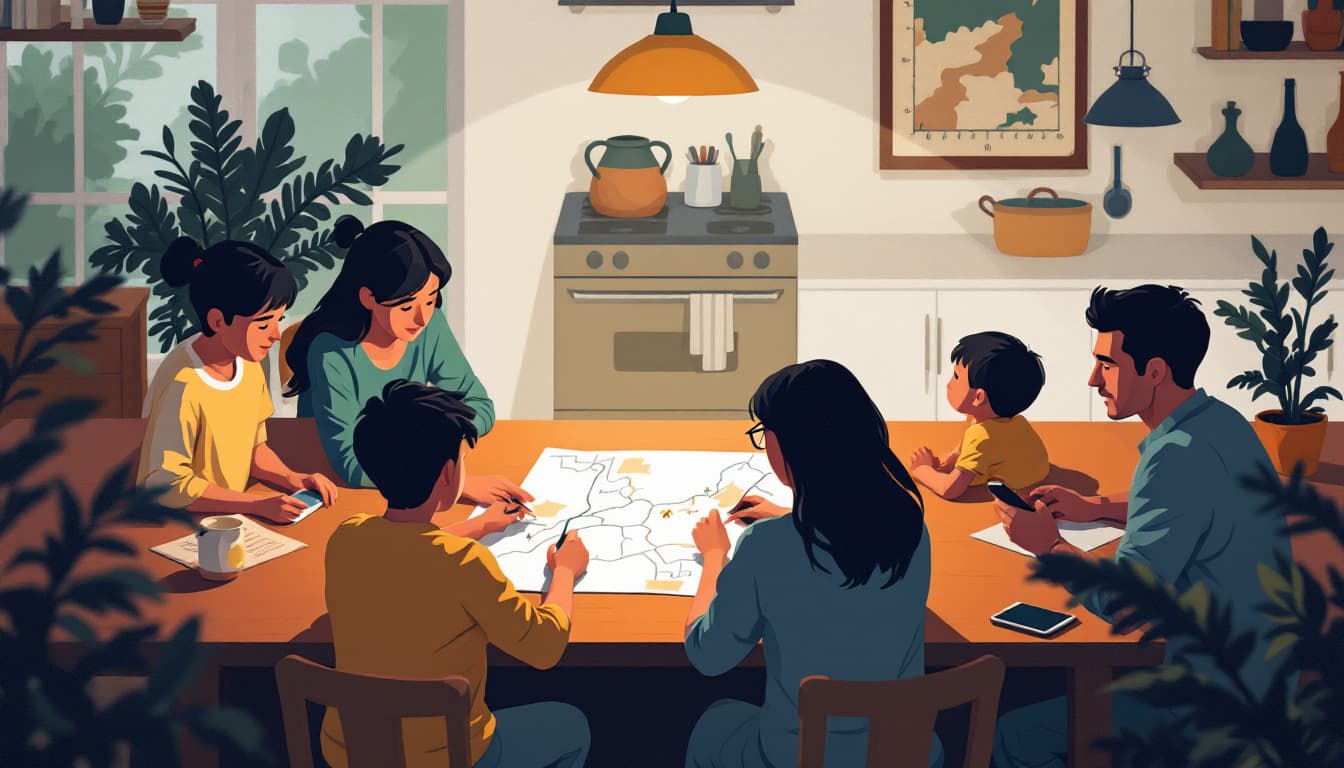
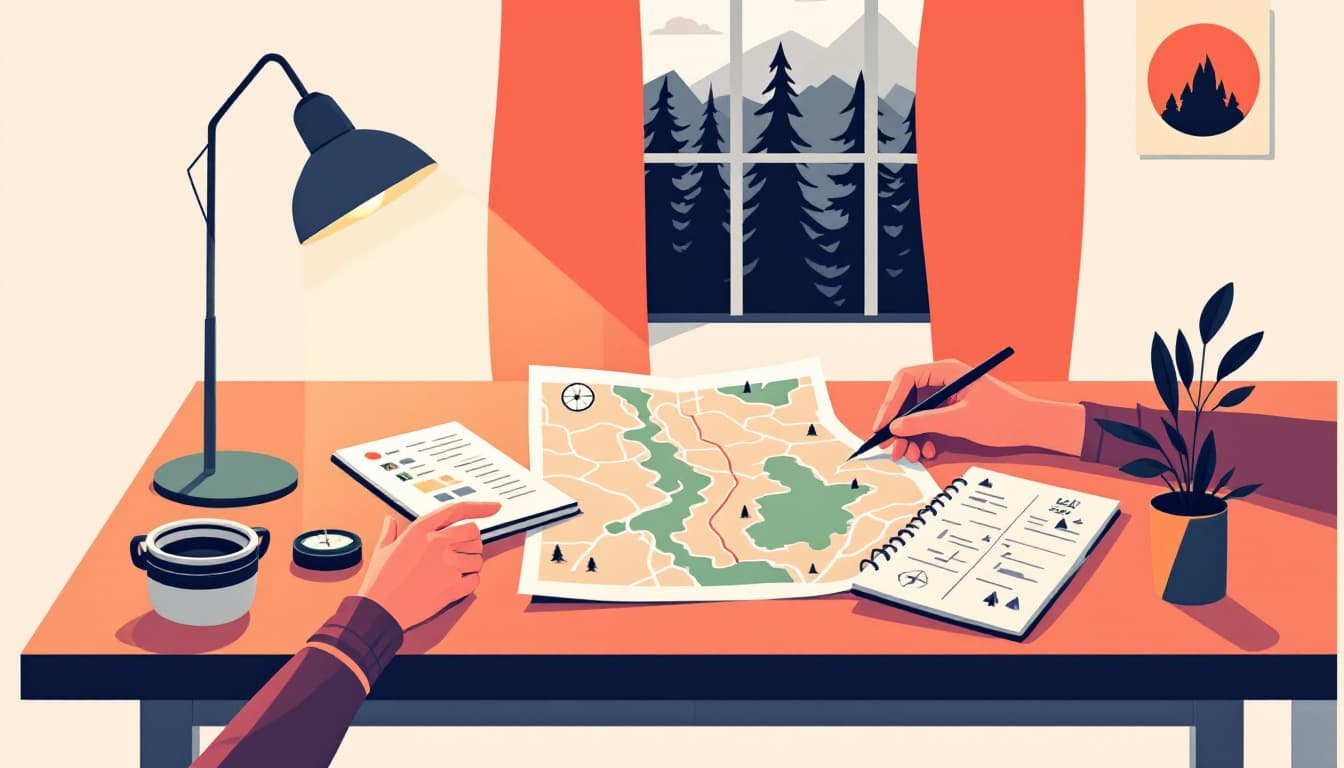
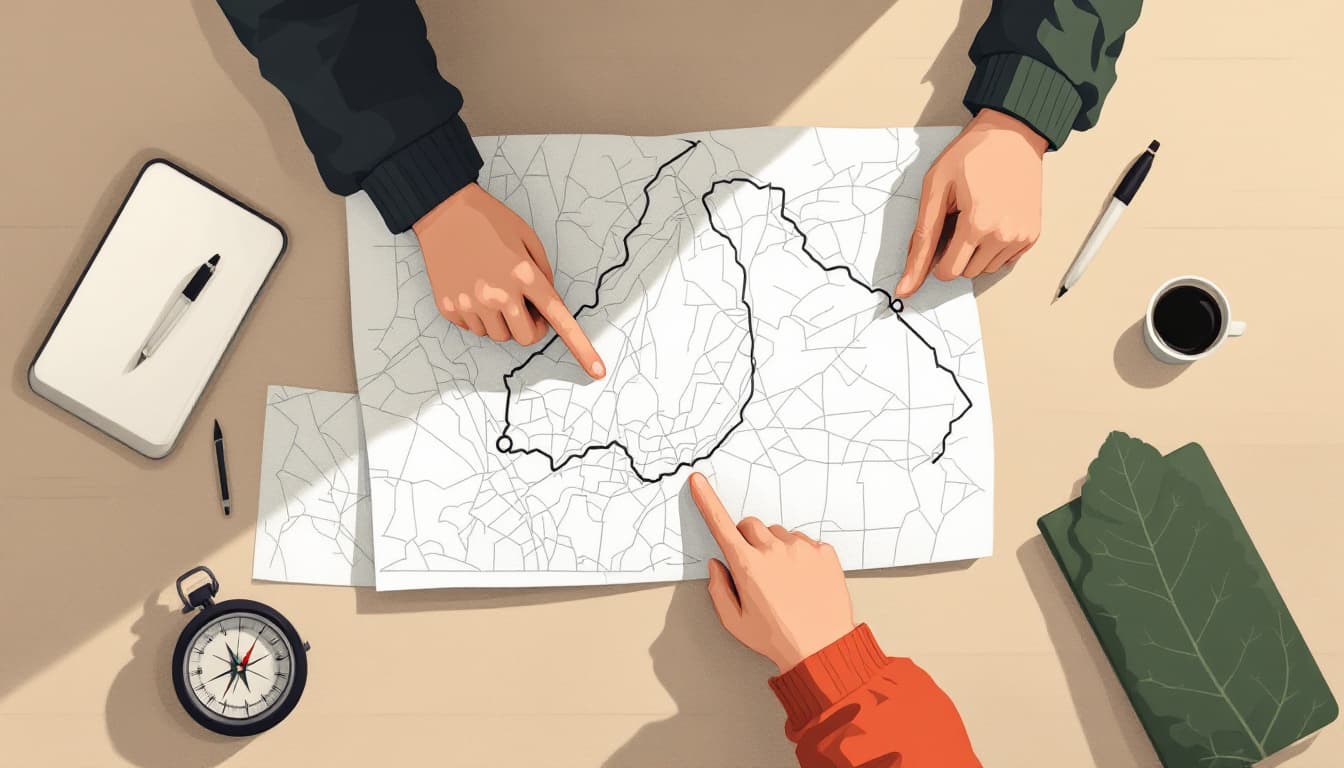
Spend 90 minutes with both. Lay the map flat on a table. Orient it to north with your compass. Identify three landmarks you can see or know from your neighborhood — a school, a major intersection, a park. Find them on the map. Then do it in reverse: pick a point on the map and figure out which direction you'd need to walk from your front door to reach it. That's the core of what you need.
Take it somewhere unfamiliar. A state park, an unfamiliar neighborhood, a trail system you haven't visited. Navigate from trailhead to a specific point using only the map and compass for 30 minutes. You'll make mistakes. That's the lesson.
Store a copy in your car. A folded county road map in the glove box costs nothing and takes up less space than a first aid manual. Do it anyway.
The bigger picture
Preparedness culture sometimes confuses equipment with capability. People buy hand-crank radios and water filtration straws but never develop the judgment to use either one well in a high-stress moment. Skills don't degrade on a shelf. They don't require batteries. And they don't create a false sense of security the way gear sometimes does.
Map reading is an unusually good example of a skill that pays off at every level — in ordinary life, in mild disruption, and in genuine emergency — without requiring you to imagine a scenario you'd rather not think about. It also happens to be genuinely enjoyable to learn. There's a satisfaction to understanding where you are that no app has ever quite replicated.
That's a rare combination. Learn it this month.