A KSNV forecast this week put Las Vegas daytime highs near 111°F with overnight lows hovering around 90°F. That second number is the one worth sitting with. When nights don't cool, the body never finishes recovering from the day. Cumulative heat stress builds across 48, 72, 96 hours in ways a single afternoon spike doesn't.
Most household heat plans stop at "we have air conditioning." That's not a plan. It's a dependency.
What's actually different about multi-day heat with no overnight relief
The standard assumption embedded in most home cooling systems — and most people's intuitions — is that nights provide a reset. Open the windows at 10 p.m., bleed off the stored heat, let the house drop to the mid-70s. The body recovers. The building recovers. You wake up ready for another hot day.
When overnight lows stay near 90°F with high humidity, none of that happens. The house never purges its thermal load. AC systems run continuously instead of cycling, which accelerates wear and drives up the probability of failure during peak demand — exactly when the grid is most stressed. Utility grids in the Southwest have managed rolling demand warnings in recent summers, and the combination of statewide simultaneous load and aging residential equipment is a documented stress point, not a hypothetical one.
The health math is straightforward and grim. Heat exhaustion can develop in healthy adults within a few hours of strenuous activity in these conditions. For elderly residents, young children, and anyone on diuretics, beta-blockers, or antipsychotics — drugs that impair the body's thermoregulation — the window is shorter. The CDC's guidance on heat-related illness doesn't hedge on this: inadequate cooling over multiple nights is one of the primary contributors to heat death, not just single-day exposure.
If you're in Las Vegas, Phoenix, Palm Springs, or any low-desert metro right now, the question is not whether it's hot. It's whether your cooling plan survives a 36-hour AC failure.
What we'd actually do
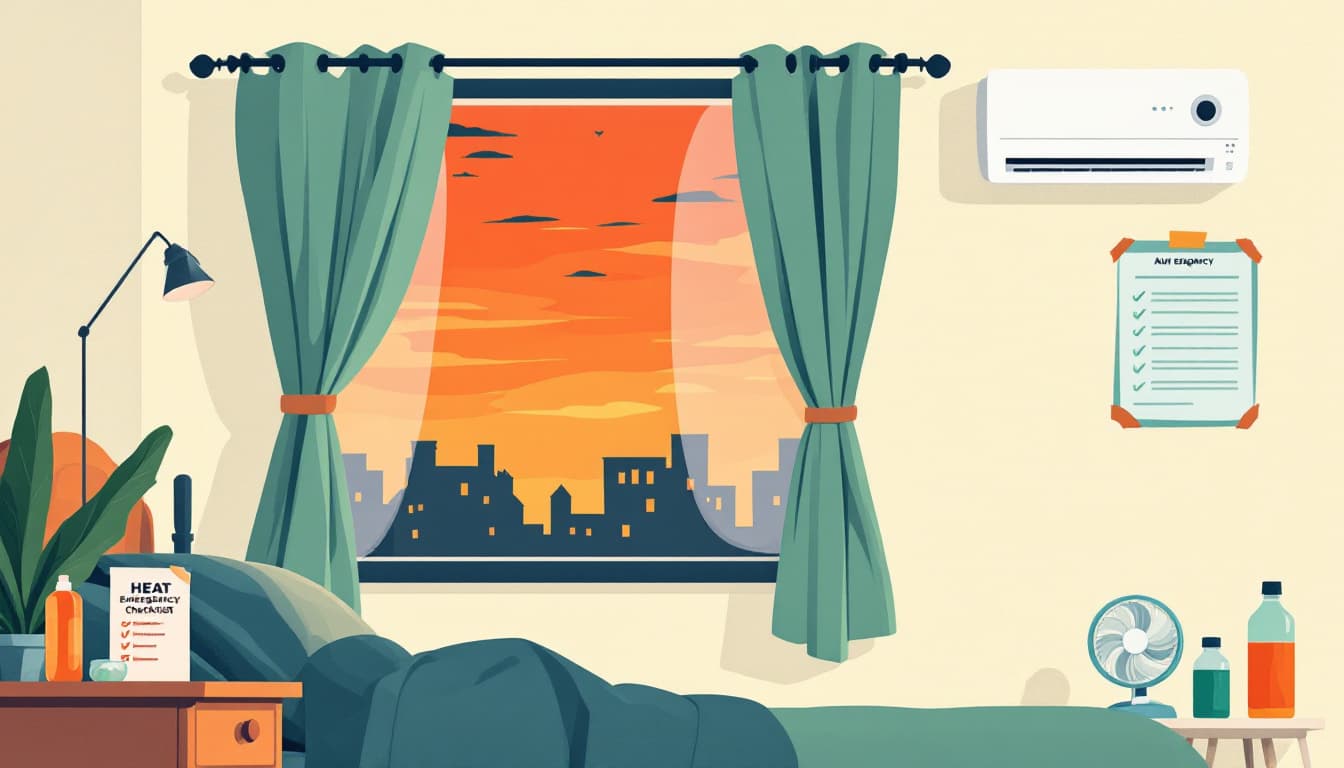
Identify your household's cooling floor before anything breaks. Spend ten minutes this week mapping what you'd do at hour 6, hour 12, and hour 24 of an AC failure. A cooling center address is more valuable than a backup generator plan for most families — it's free, it exists, and you don't have to maintain it.
Local governments in most major desert metros publish cooling center locations through their emergency management or health department websites. Find yours, note the hours, and confirm it accepts pets if that's relevant. This takes less time than researching generators and it works.
Audit your medications now, not during the emergency. Call your pharmacist or check the patient information leaflets for every medication in your household. A meaningful share of common prescriptions — blood pressure drugs, antihistamines, psychiatric medications, and others — reduce heat tolerance. If anyone in your household takes these, they are not a normal-risk person during a multi-day heat event. Adjust your threshold for seeking air-conditioned refuge accordingly.
Pre-cool the house before the evening peak, not during it. If your utility uses time-of-use pricing or issues demand-reduction requests, the window from roughly 4 p.m. to 9 p.m. is when grid strain peaks and costs spike. Run the AC hard in the early afternoon to get the house below 74°F, then raise the thermostat slightly during peak hours. The thermal mass of a cooled house gives you a buffer. This reduces both the bill and the load on equipment during the most failure-prone window of the day.
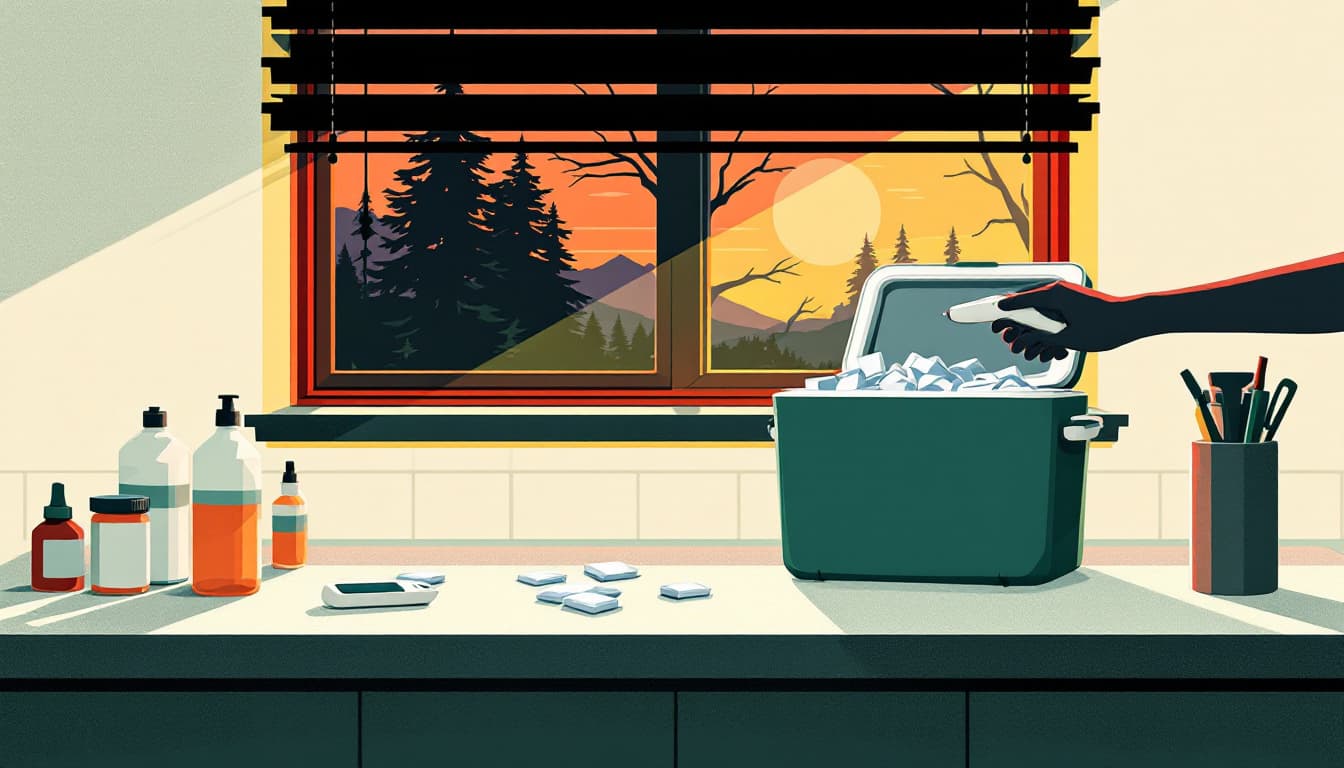
Stock oral rehydration solution, not just water. Heavy sweating depletes electrolytes faster than plain water replaces them. Hyponatremia — dangerously low sodium from drinking too much plain water without replacing salts — is a real risk during prolonged heat exposure. Commercial packets are inexpensive and shelf-stable. Keep six to twelve on hand. This is a $6 to $10 purchase with a multi-year shelf life.
The bigger pattern
Extreme heat is the deadliest weather category in the United States by annual fatality count, and it kills quietly — in apartments, in cars, in houses with broken AC — without the dramatic footage that drives preparedness conversation. It doesn't get the cultural weight of hurricanes or wildfires.
The goal here isn't to survive a climate apocalypse. It's to close a specific, practical gap: most households have a loose plan for cold and no plan at all for heat. That asymmetry is worth correcting, and most of the corrections are cheap and fast.
Durability looks like knowing where you'd go before you need to go somewhere.