The grid does not care about your plans. It cares about load. And right now, a heat dome is building over the Eastern United States that is going to put residential cooling demand, aging distribution infrastructure, and household medicine storage under simultaneous pressure — all at once, probably for several days.
The Washington Post reported this week that triple-digit temperatures are on approach for much of the East, with conditions described as searing and sustained. That framing matters. A single 100-degree afternoon is a nuisance. Four to seven consecutive nights where temperatures don't drop below 80 are a different problem. The body doesn't recover. The grid doesn't recover. And neither does the food in a refrigerator that's been cycling hard since Thursday.
What's actually changing
Most heat-preparedness coverage stops at "drink water and check on elderly neighbors." That's not wrong, but it skips the household-level failure modes that actually hurt middle-class families during multi-day heat events.
Grid stress is real and uneven. Utilities across the mid-Atlantic and Southeast have been managing deferred maintenance and aging transformer stock for years. Recent EIA data shows residential electricity demand during summer peaks has grown faster than grid capacity additions in several regions. Brownouts and localized outages during demand spikes are not hypothetical. They're recent history. If your AC goes out on day three of a heat event, the temperature inside a closed house can exceed outdoor temperature within two hours.
Medications degrade faster than people expect. Insulin, certain injectables, and many liquid medications have narrow temperature windows — often a maximum of 77°F for extended storage. A power outage that takes your refrigerator offline for six hours can compromise a month's supply. Most households have no plan for this.
The people most at risk are not who you assume. Yes, the elderly. But also: anyone on diuretics or blood pressure medication (which impair heat regulation), anyone doing physical outdoor work, and children under four. If you have any of those people in your household, your threshold for action should be lower than you think.
What we'd actually do
Identify your two most heat-vulnerable people and make a specific plan for them before temperatures peak. Not a vague intention — a named person, a named location, a named backup. If your mother is on a fixed income in a third-floor apartment with a window unit from 2014, that unit is going to struggle above 95°F ambient. Know this now. Know where the nearest library or cooling center is. Know its hours.
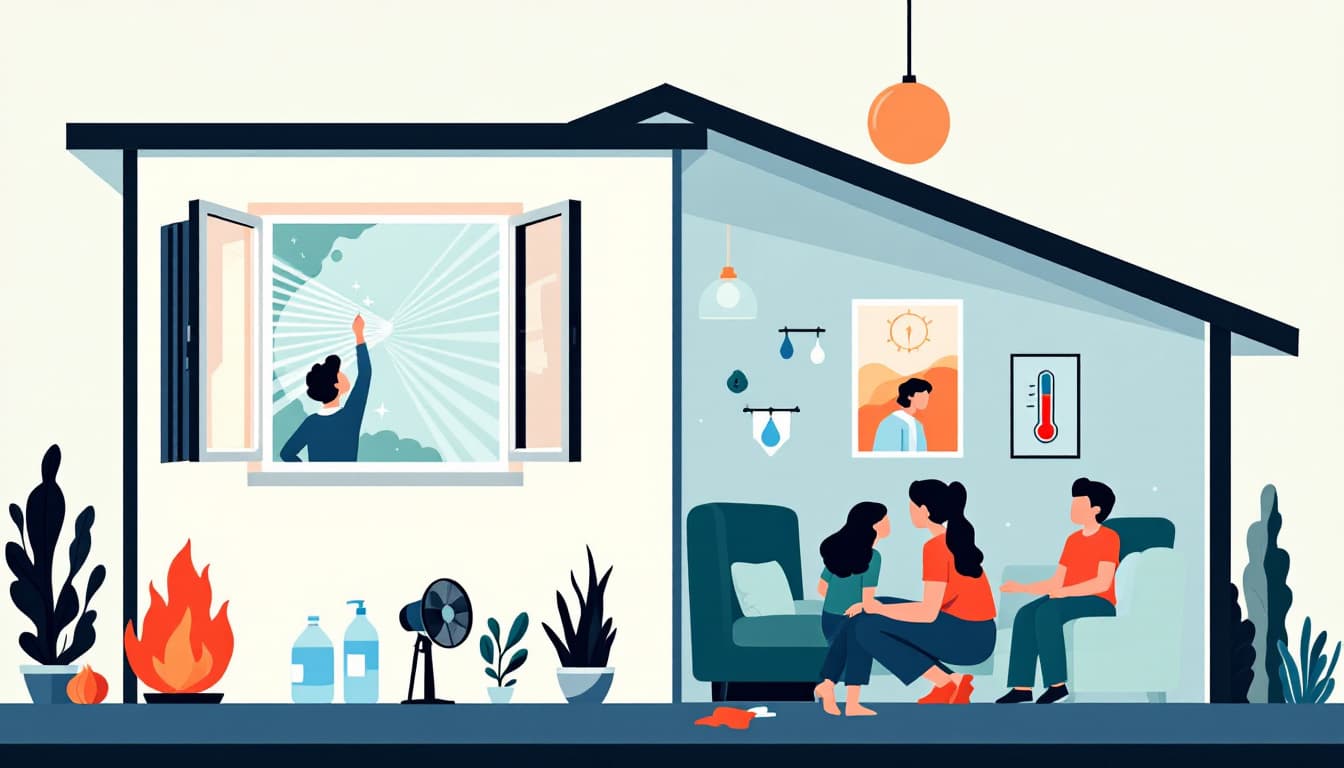
Pre-cool your house aggressively tonight and tomorrow morning. Every degree you can bank before the peak arrives is a degree your system doesn't have to fight for. Run your AC to 68°F overnight when grid demand is lowest. Close blinds on south- and west-facing windows by 9 a.m. A $12 set of blackout curtain liners reduces solar heat gain by roughly a third. That's not a preparedness-culture recommendation — it's building physics.
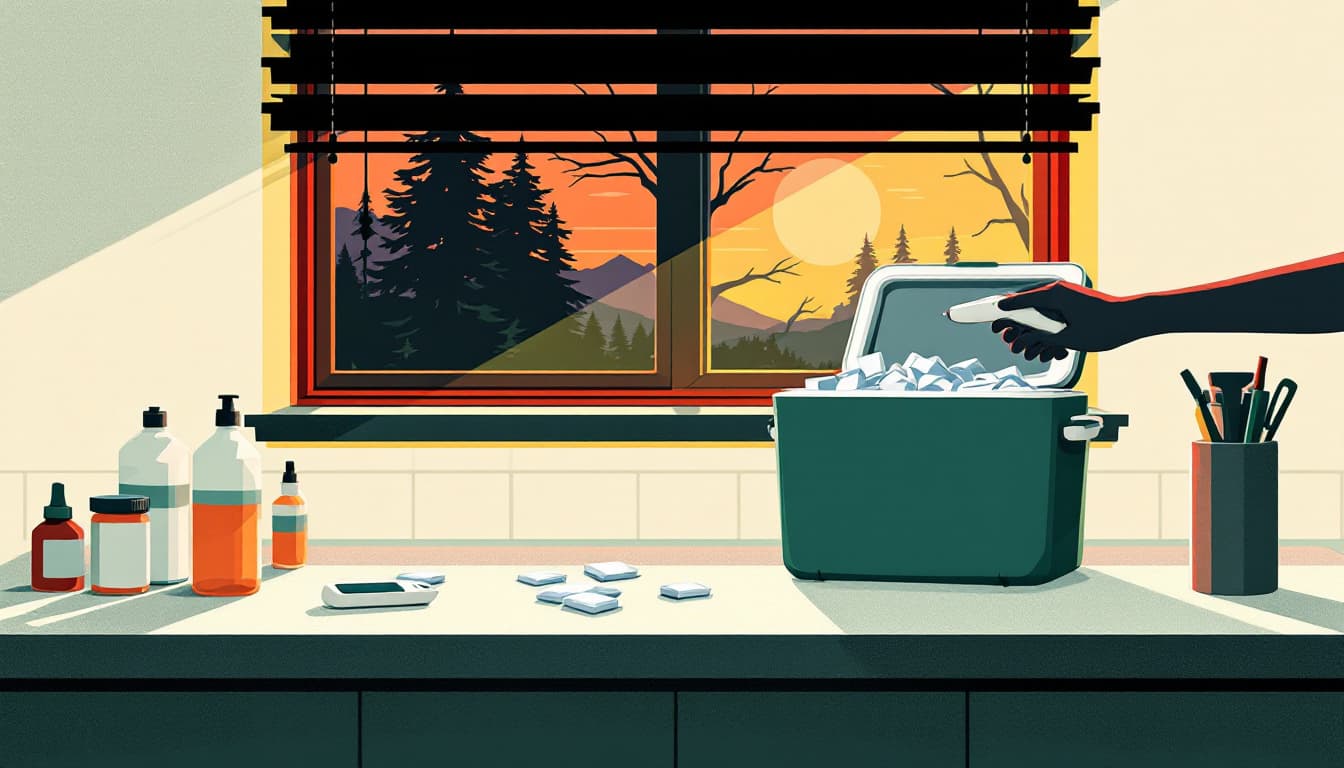
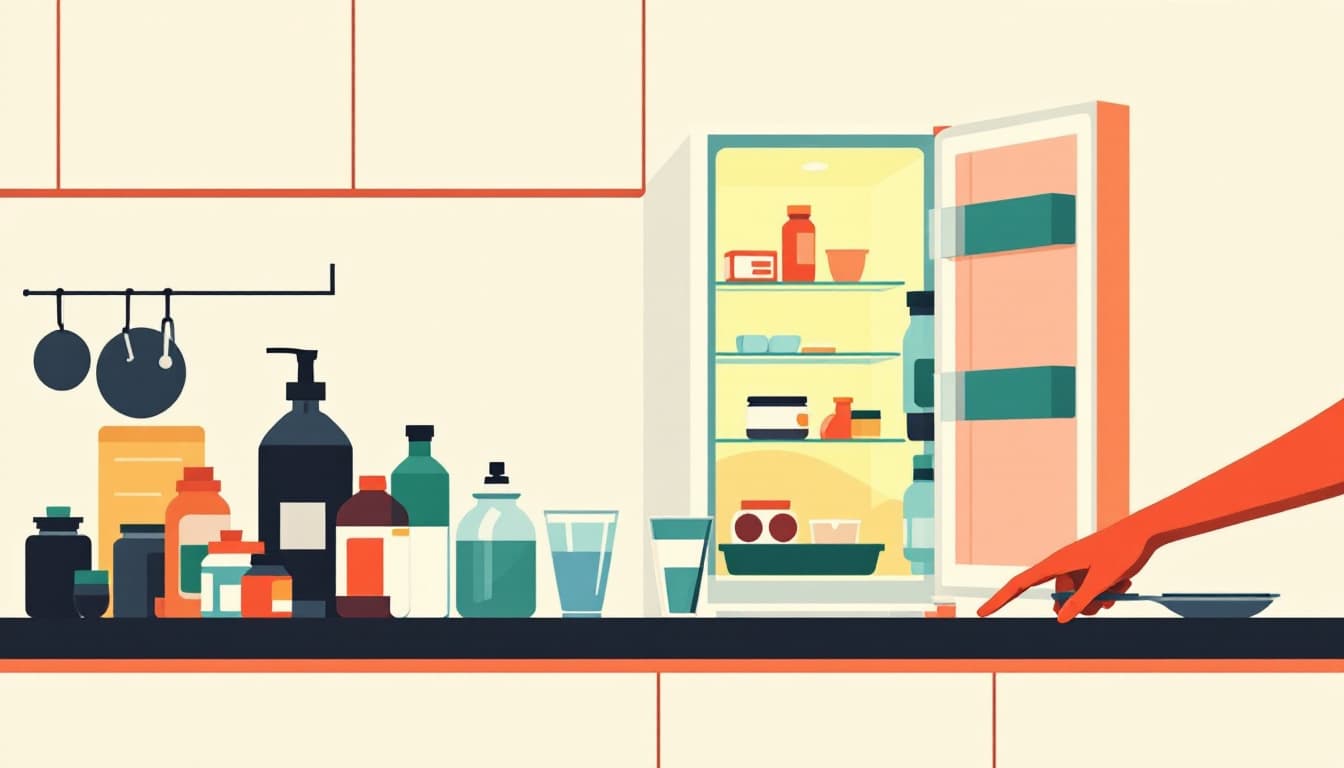
Audit your medication storage before the heat arrives. Pull out any medication that has a storage temperature listed on the label. If it says "store below 77°F" or "refrigerate," confirm your refrigerator is holding temperature (an appliance thermometer costs about $8 and is more reliable than the dial setting). If you lose power, know the medication's stability window without refrigeration — call your pharmacist now, not during an outage.
Have a no-AC fallback location identified, not just theoretical. A friend's house with a working central unit. A hotel you can afford for one night. A community cooling center. Write it down. Deciding where to go when you're already heat-stressed and the indoor temperature is 88°F is harder than it sounds. Decision-making degrades in heat.
Check your circuit breaker panel and your outdoor compressor unit today. If your AC hasn't been serviced this season, a clogged condenser coil can cut efficiency by 30 percent — meaning it runs longer, costs more, and is more likely to fail under sustained load. Rinsing the outdoor unit with a garden hose (power off first) takes ten minutes and costs nothing.
The bigger picture
Heat is the deadliest weather phenomenon in the United States — not tornadoes, not hurricanes. It kills quietly, in homes, in cars, in the bodies of people who didn't realize how fast their situation had changed. The preparedness case for heat events is not about gear. It's about margins: the margin between your house staying livable and becoming dangerous, the margin between your medications staying effective and becoming inert, the margin between a bad week and a medical emergency.
A heat dome is not a catastrophe you survive by buying something. It's one you navigate by knowing your household's specific vulnerabilities a few days before it arrives. Right now, you have a few days.