A Global Trade Magazine piece published this month makes an argument aimed at logistics directors and retail operations teams: when geopolitical stress hits supply chains, the companies with real-time inventory visibility weather the disruption better than those flying blind. The intended audience is a VP of supply chain. But the underlying insight belongs to every household that has ever walked into a grocery store to find the specific pasta or baby formula or medication they needed was simply gone.
What's actually changing
Retailers have spent the past few years rebuilding safety stock after the pandemic-era empty-shelf episodes. Many moved away from the ultra-lean just-in-time model that left them exposed. But the structural vulnerability the Global Trade Magazine analysis points to isn't stock levels — it's visibility. Knowing what you have, where it is, and how fast it's moving is what lets a retailer redirect inventory before a disruption becomes a gap on the shelf.
Households have exactly the same problem, and almost no one talks about it that way.
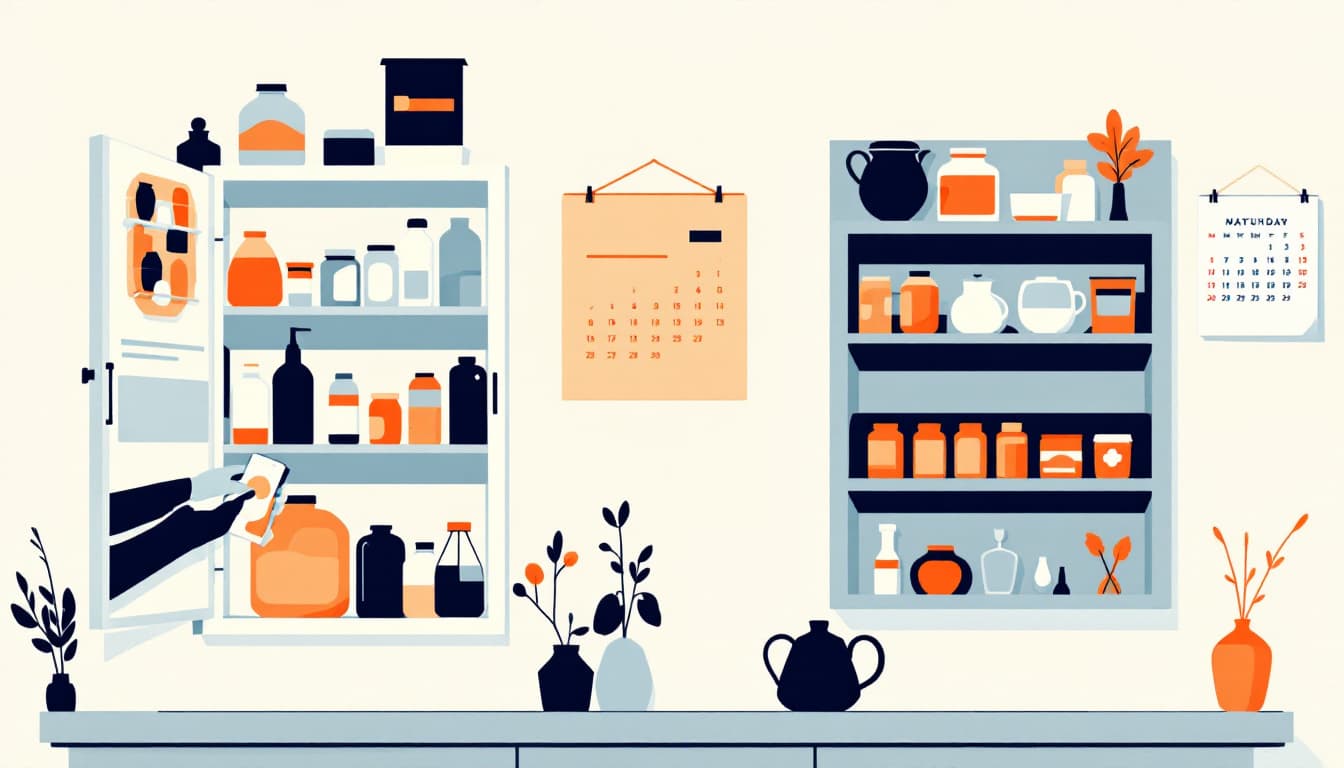
Most families don't have a shortage of stuff. They have a shortage of knowing what they have. Pantries hold six cans of chickpeas and zero cans of tomatoes. A medicine cabinet has three boxes of cold tablets and no ibuprofen. When a disruption hits — a port slowdown, a weather event, a manufacturing recall — the family that knows its own inventory can respond calmly. The family that doesn't runs to the store at the worst possible moment, competing with everyone else doing the same thing.
The broader pattern here is worth naming. Geopolitical friction — trade disputes, sanctions, regional conflicts affecting shipping lanes — doesn't cause shortages in a simple, linear way. It causes uncertainty, and uncertainty causes behavior changes up and down the supply chain. Retailers order more defensively. Distributors hold back. Consumers panic-buy. Each of those responses amplifies the actual physical shortage. The family with four weeks of staples on hand doesn't contribute to that amplification loop. They sit it out.
What we'd actually do
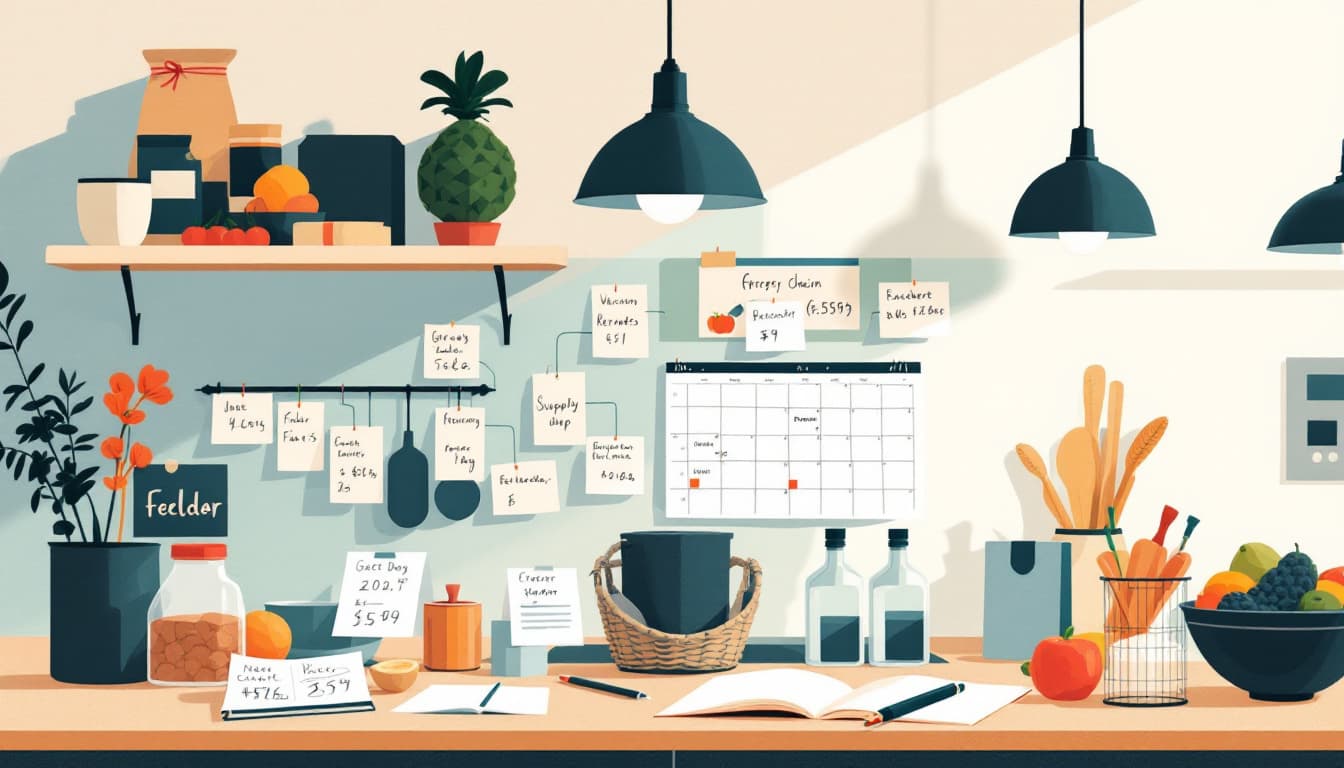
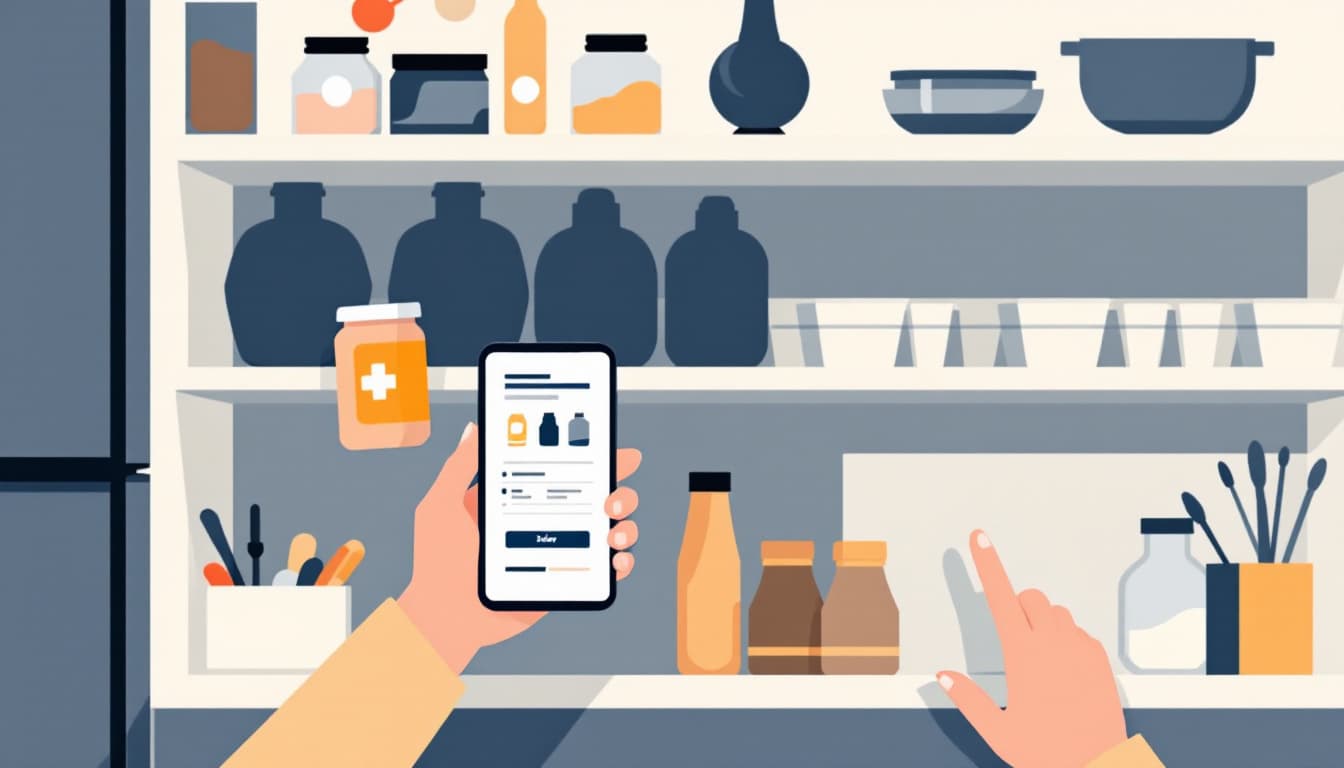
Audit your pantry before you buy anything else. Spend 30 minutes this week doing a full count of shelf-stable food, over-the-counter medications, and household consumables. Write it down or put it in a notes app. You cannot manage what you cannot see — this is the same logic Global Trade Magazine is applying to warehouse inventory, scaled down to your kitchen.
The goal isn't a survivalist spreadsheet. It's a simple list: what you have, how many, and roughly when it expires. Once you have that, you'll immediately see the gaps without needing to guess. Most families discover they're deep in one or two categories and nearly empty in several others.
Identify your three highest-consumption staples and keep two to four weeks of each on hand. For most households this is something like rice or pasta, cooking oil, and a protein — canned fish, beans, or lentils. Two to four weeks is enough buffer to ride out a typical disruption without requiring any special storage infrastructure. It is not a bunker. It is a pantry with a small margin.
Build a simple restock trigger. When a staple drops below one week of supply, it goes on the grocery list. This is how retailers use inventory visibility — not to hoard, but to reorder before the gap becomes a crisis. The same principle works at home and takes about ten seconds per item to implement.
Pay attention to what disappears first locally. If your grocery store has been out of a specific item for more than two weeks, that's a signal worth noting. Recent shortages in infant formula, certain antibiotics, and some cooking oils have all followed this pattern: gradual tightening that becomes visible at the shelf level before it shows up in headlines. Your own shopping is a low-cost, high-frequency data source.
The bigger picture
The Global Trade Magazine framing is about corporate resilience. But resilience at scale is built from household-level decisions aggregated across millions of families. A family that isn't scrambling during a supply crunch doesn't drain emergency resources, doesn't contribute to panic buying, and doesn't need to make bad financial decisions under pressure.
That's the actual goal here. Not a fortress. Not a year of freeze-dried meals. A household that can see clearly what it has, knows what it needs, and isn't surprised when the shelf is bare for a few weeks. Durability, not catastrophe.