Walk into almost any preparedness forum and post a question about extended power outages. Within a few replies, someone will have moved from "charge your battery banks" to "how many rounds do you have stockpiled." The looting panic — the idea that a grid outage lasting more than 72 hours will produce roving bands of desperate strangers stripping your neighborhood — is one of the most deeply held assumptions in prepper culture. It also has almost no support in the actual history of major U.S. blackouts.
We are not worried about it. Here is why.
What the record actually shows
The United States has experienced several prolonged, large-scale power outages in the past two decades. The 2003 Northeast blackout cut power to roughly 55 million people across eight states and parts of Canada. It lasted up to four days in some areas. The breakdown in social order that preparedness culture predicts? It did not happen. Contemporaneous newspaper accounts described neighbors sharing food, generators loaned between households, and strangers directing traffic at dead intersections. Looting was isolated, concentrated in a handful of urban commercial corridors, and nowhere near the widespread violence the scenario implies.
Hurricane Sandy in 2012 knocked out power for weeks in parts of New Jersey and New York — some of the densest, most economically stressed urban areas in the country. The documented lawlessness was real but localized: a handful of neighborhoods experienced property crime spikes. Most of the affected area experienced the opposite — the mutual aid surge that sociologists have been documenting consistently since the 1960s. Disaster researchers have a term for the assumption that catastrophe produces chaos: they call it the "disaster myth." It has been studied systematically, and it keeps failing to materialize at the scale the myth requires.
Puerto Rico after Hurricane Maria is the hardest case — power gone for months across an entire island. The violence that followed was real, tragic, and inadequately covered. But even there, the dominant story at the community level was improvised solidarity, not predation.
Why the myth is so durable
Three forces keep it alive. First, preparedness media has a structural incentive to emphasize threat. Fear moves product and page views in ways that "your neighbors will probably help you" does not. Second, our mental model of social breakdown comes overwhelmingly from fiction — The Road, One Second After, post-apocalyptic games — rather than from documented events. Fiction requires conflict. Third, high-profile exceptions get enormous coverage. When looting does occur, it is on camera and in headlines. When the block quietly shares a propane stove for three days, nobody files a report.
The result is a preparedness community that systematically overweights security and underweights the social and logistical skills that actually determine outcomes in real outages.
What this means for how you prepare
This is not an argument that personal security is irrelevant. A modest, sensible posture — door hardware that works, exterior lighting on battery backup, basic situational awareness — makes sense at all times, not just during emergencies. But it is an argument against letting security anxiety crowd out the preparations that actually matter: water storage, food continuity, medical supplies, and above all, neighbor relationships.
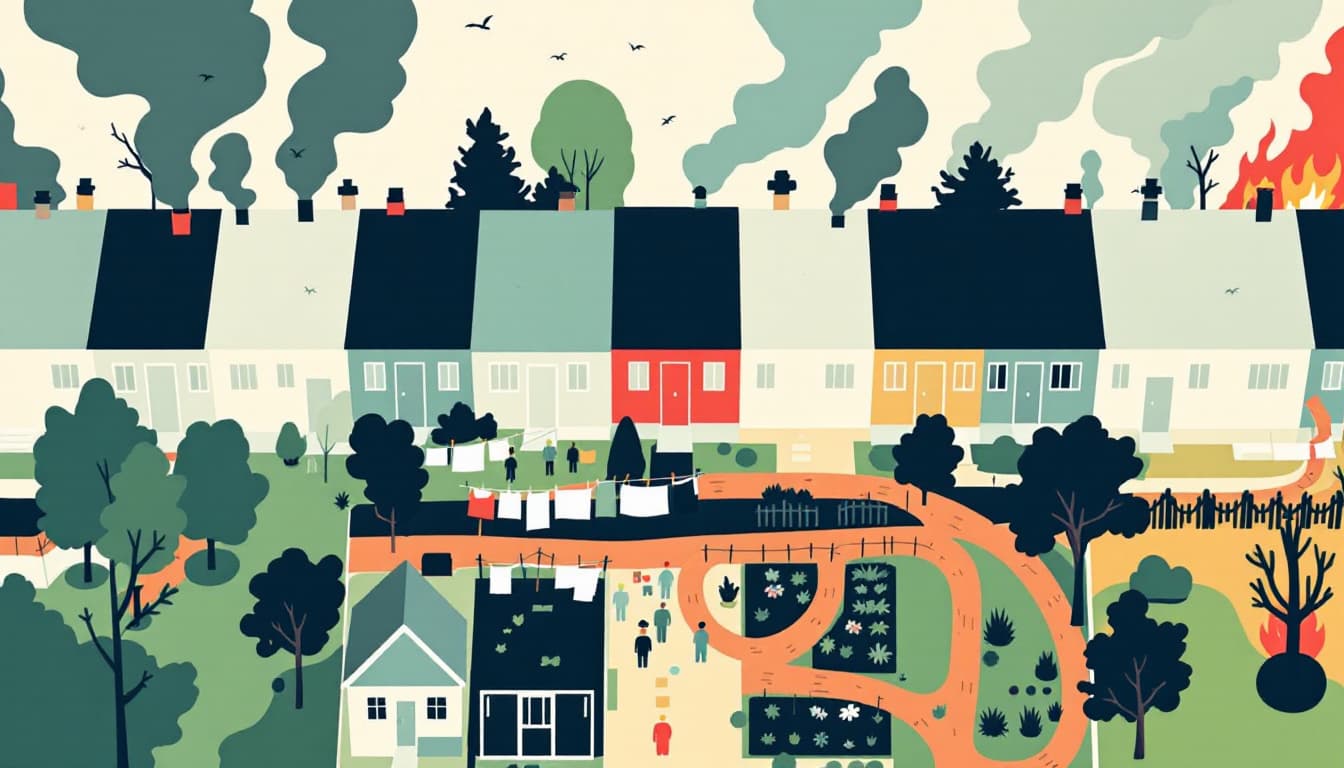
The single most reliable predictor of household outcome in a documented major outage is whether that household had prior relationships with neighbors. Not armament levels. Not supply cache size. Relationships.
What to do this week
Talk to two neighbors you don't know well. Not a preparedness conversation — just an introduction. Know their names. This is not soft advice. It is the highest-leverage action most households can take.
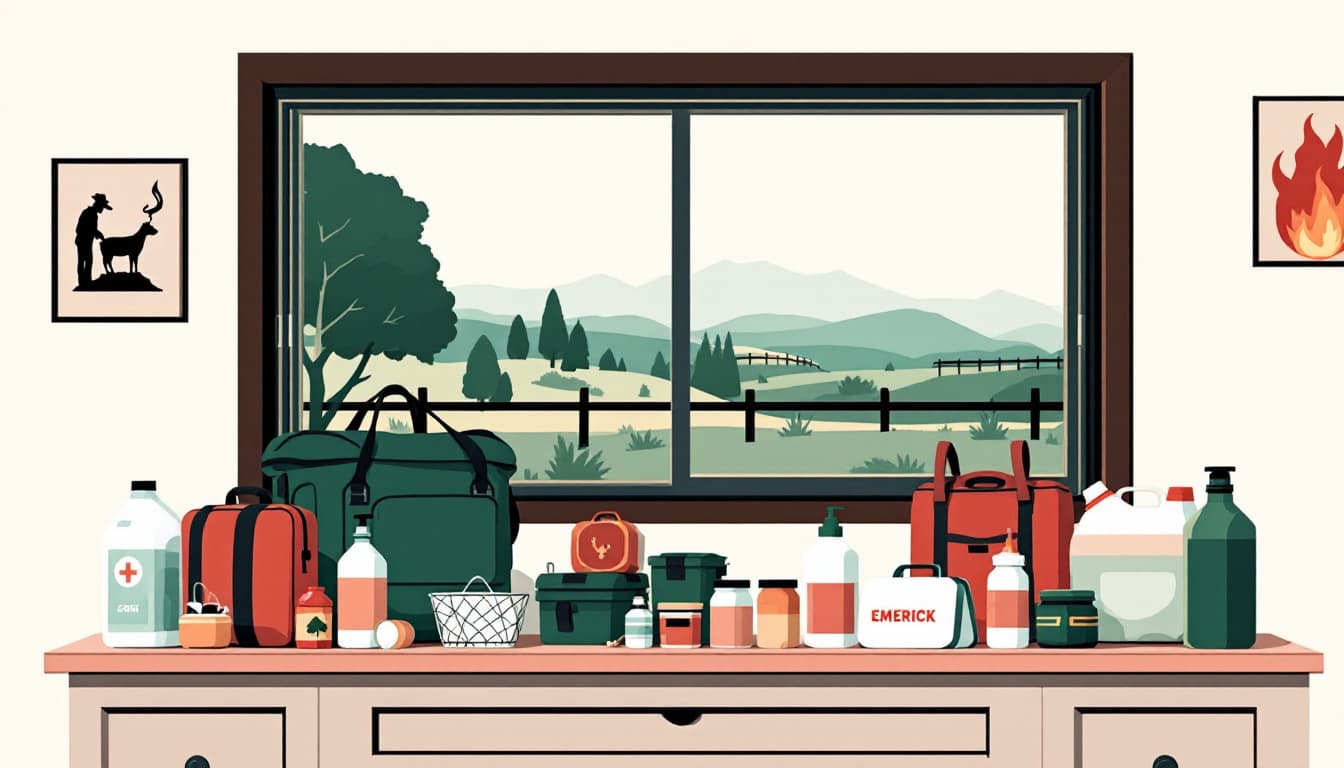
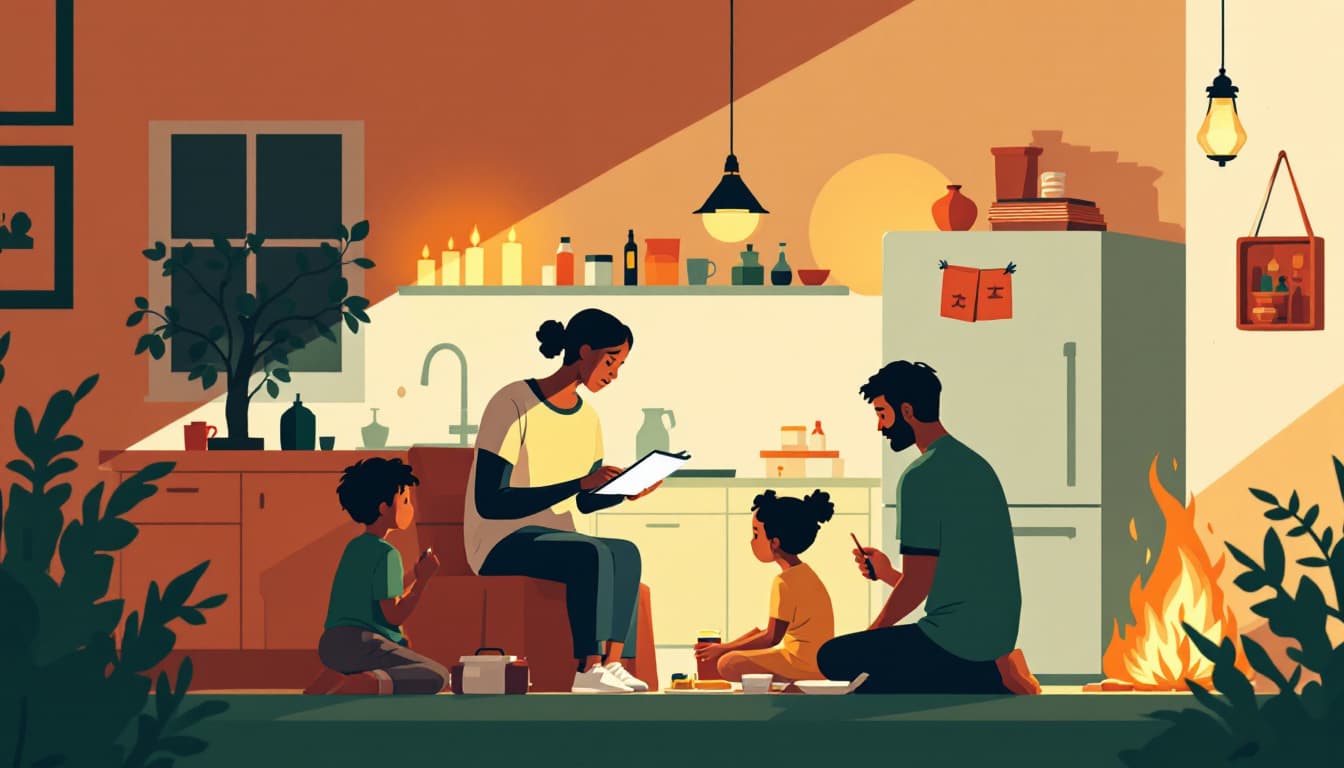
Audit your outage kit for social assets. Do you have a manual can opener you could lend? A battery lantern? A way to make coffee that doesn't require the grid? The ability to offer something during a blackout builds the reciprocal relationships that protect you.
Recalibrate your threat model. If you have spent more than $200 on security-specific preparedness gear in the last year but do not have two weeks of water storage, you have been sold a threat hierarchy that does not match the historical record.
Read one actual disaster research summary. The Disaster Research Center at the University of Delaware has published decades of field studies. Fifteen minutes with their public materials will do more to sharpen your thinking than a year of forum browsing.
The bigger picture
Preparedness culture's looting panic is not just wrong — it is actively counterproductive. It pushes households toward an adversarial, isolated posture at exactly the moment when connection and cooperation are the resources that matter most. The families who come through extended outages best are almost never the ones who retreated behind locked doors with a weapons cache. They are the ones who had someone to call, someone to share with, and the kind of neighborhood trust that took years of ordinary life to build.
The grid will go down again. Your neighbors will almost certainly not turn into a threat. Prepare accordingly.