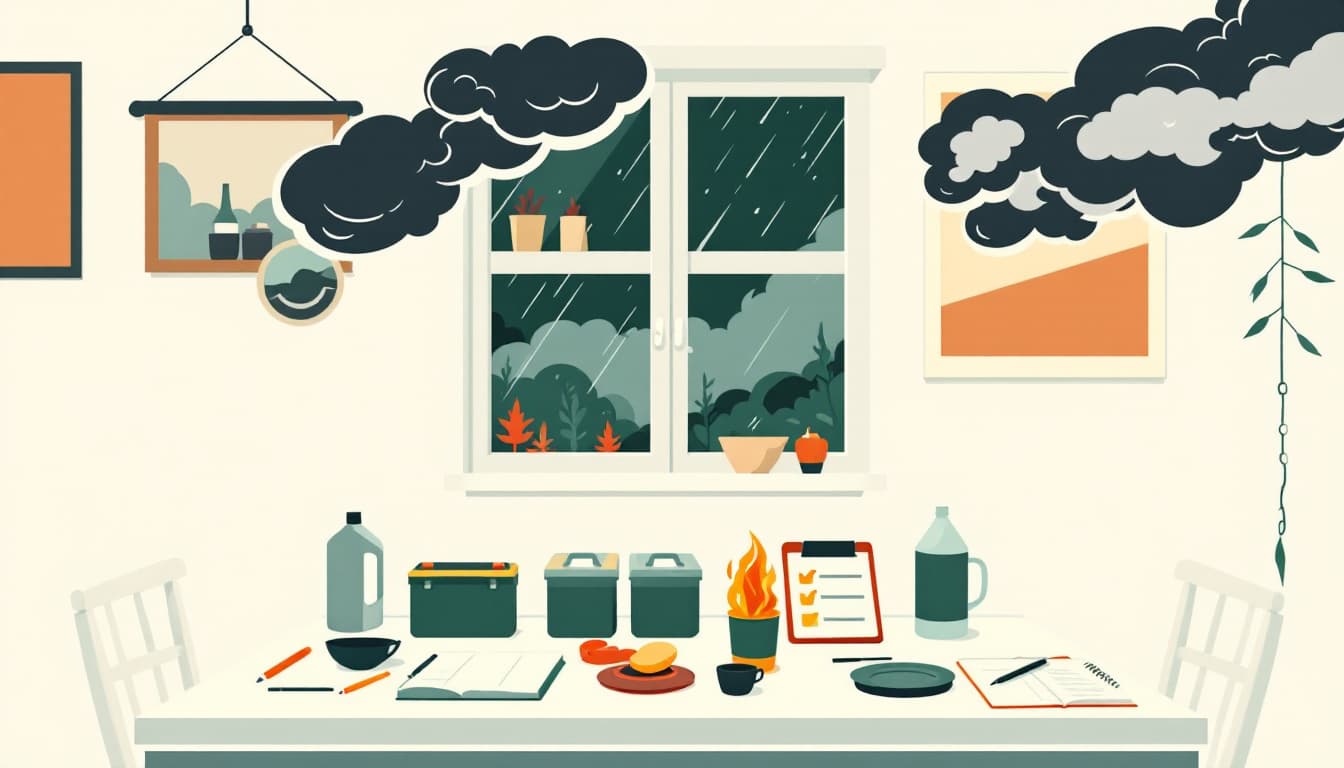
It is the Fourth of July, which means two things are guaranteed in Northeast Florida: someone is grilling, and somewhere between 3 and 7 p.m., the sky is going to turn green and angry.
A report from News4JAX this morning confirms what any Jacksonville-area resident already knows in their bones — late afternoon thunderstorms and dangerous heat are in the forecast across Northeast Florida and Southeast Georgia. This is not a freak event. It is Florida's summer baseline. But baseline conditions still knock out power, still send people to the ER for heat exhaustion, and still catch households flat-footed every single year.
What's actually happening
Florida's summer storm pattern is driven by sea breeze convergence. Warm, moist air from the Atlantic and the Gulf collides inland, typically in the mid-to-late afternoon, producing fast-developing convective storms. On a high-traffic holiday weekend, when more people are outside longer and utilities field crews are running reduced schedules, even a routine storm carries real consequences.
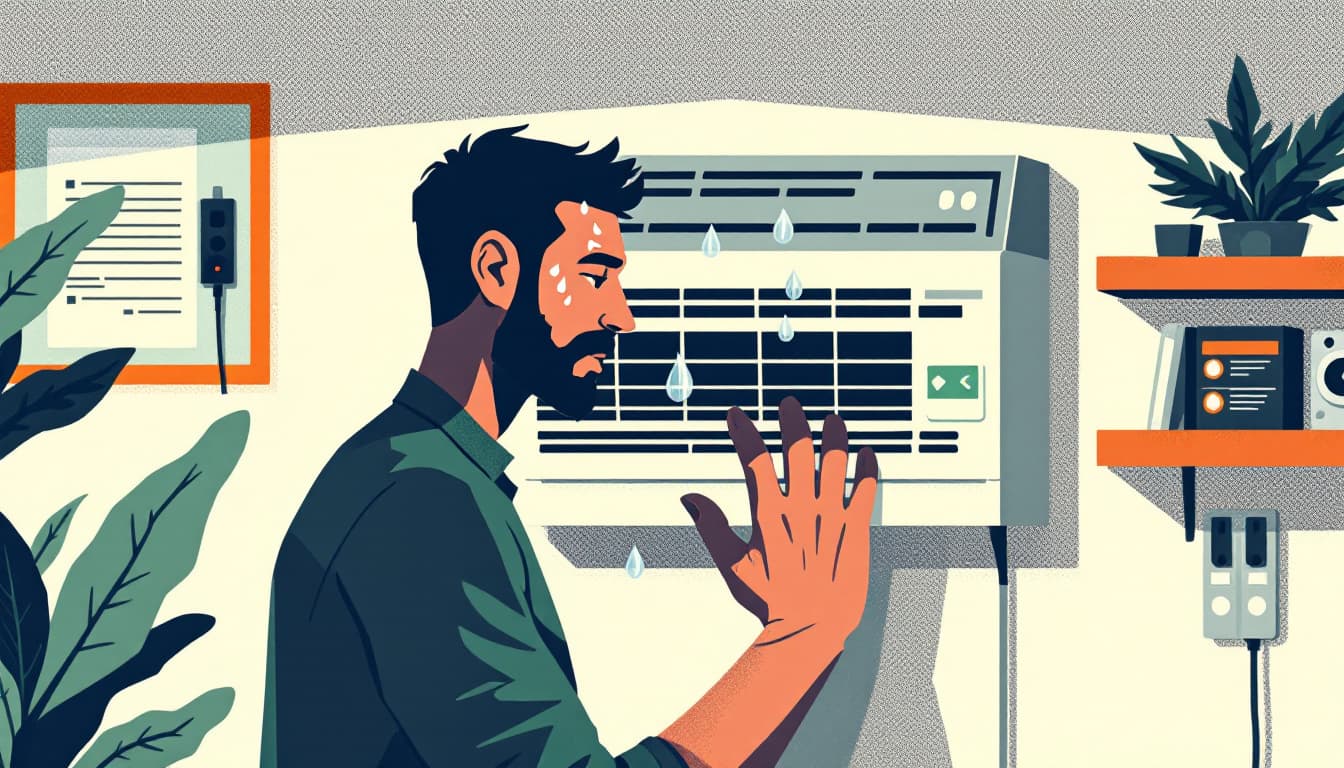
Heat is the quieter danger. Heat index values across Northeast Florida regularly exceed 105°F in July. The National Weather Service uses heat index — not air temperature — as its warning threshold, and there is a meaningful difference between 95°F and 105°F when you're standing on asphalt or sitting in a car that lost power to its AC. Florida consistently ranks among the states with the highest heat-related emergency department visits during summer, according to CDC surveillance data.
The combination — extended outdoor exposure during the hottest part of the day, followed by a power outage from an afternoon storm, followed by a humid night without air conditioning — is exactly the scenario that sends vulnerable household members into serious trouble.
What we'd actually do
Move your outdoor timeline earlier in the day. Start grilling by 11 a.m. and plan to be inside or under solid cover by 3 p.m. This is not overcautious. Late afternoon is when Florida storms hit, and nobody wants to be mid-potato-salad when lightning starts. A 10 a.m. start is not a sacrifice; it is just scheduling around physics.
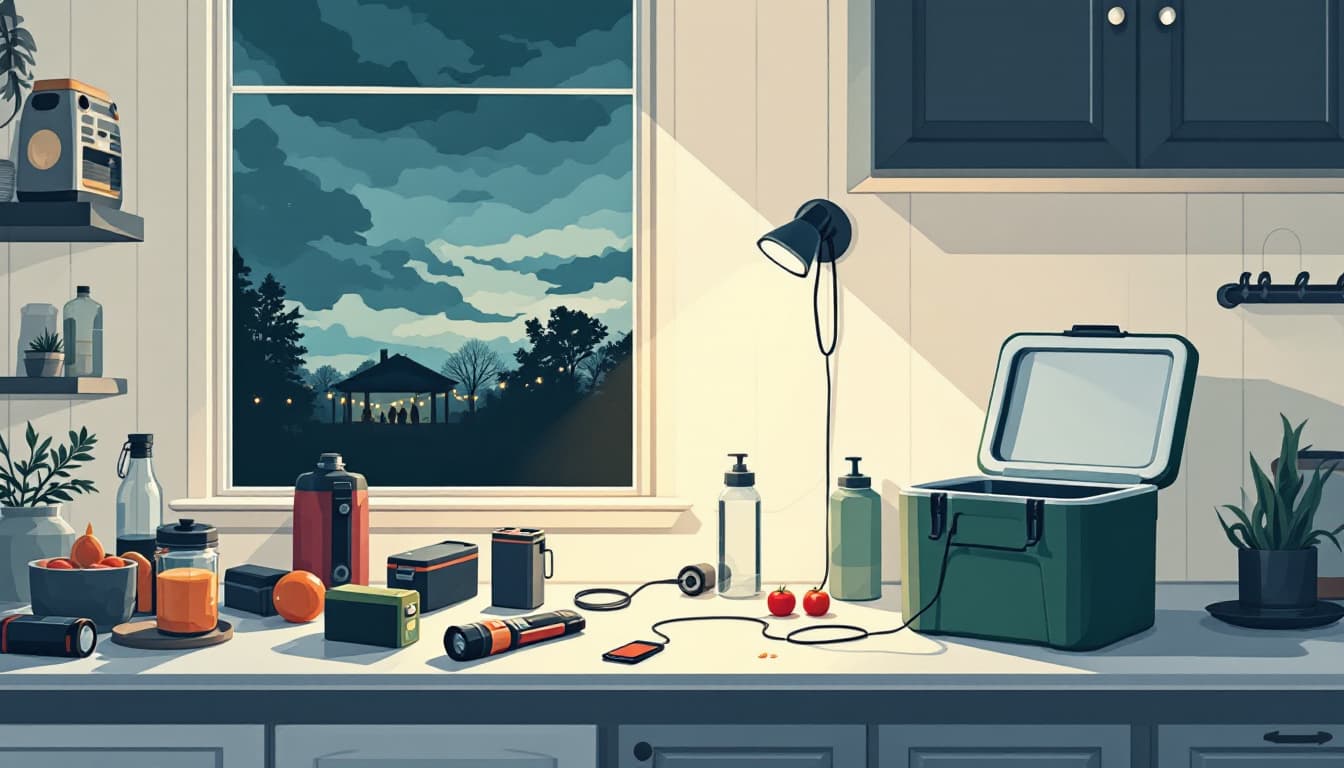
Charge everything before noon. Phones, portable power banks, battery-powered fans, CPAP batteries, medical device backups — do it now, while the grid is stable. If your house loses power at 4 p.m. and stays dark until midnight, a full phone battery is the difference between knowing what is happening and guessing. Florida Power & Light and JEA both publish outage maps, but you need a charged device to use them.
Identify your cool refuge before you need it. Know which neighbor, family member, or public building you would go to if your AC were out for eight or more hours. Most Florida counties open cooling centers during extended outages or heat advisories — Duval County has done this in past summers — but you need to know that option exists before you're sweating through hour six. A single conversation or a quick Google search right now takes two minutes.
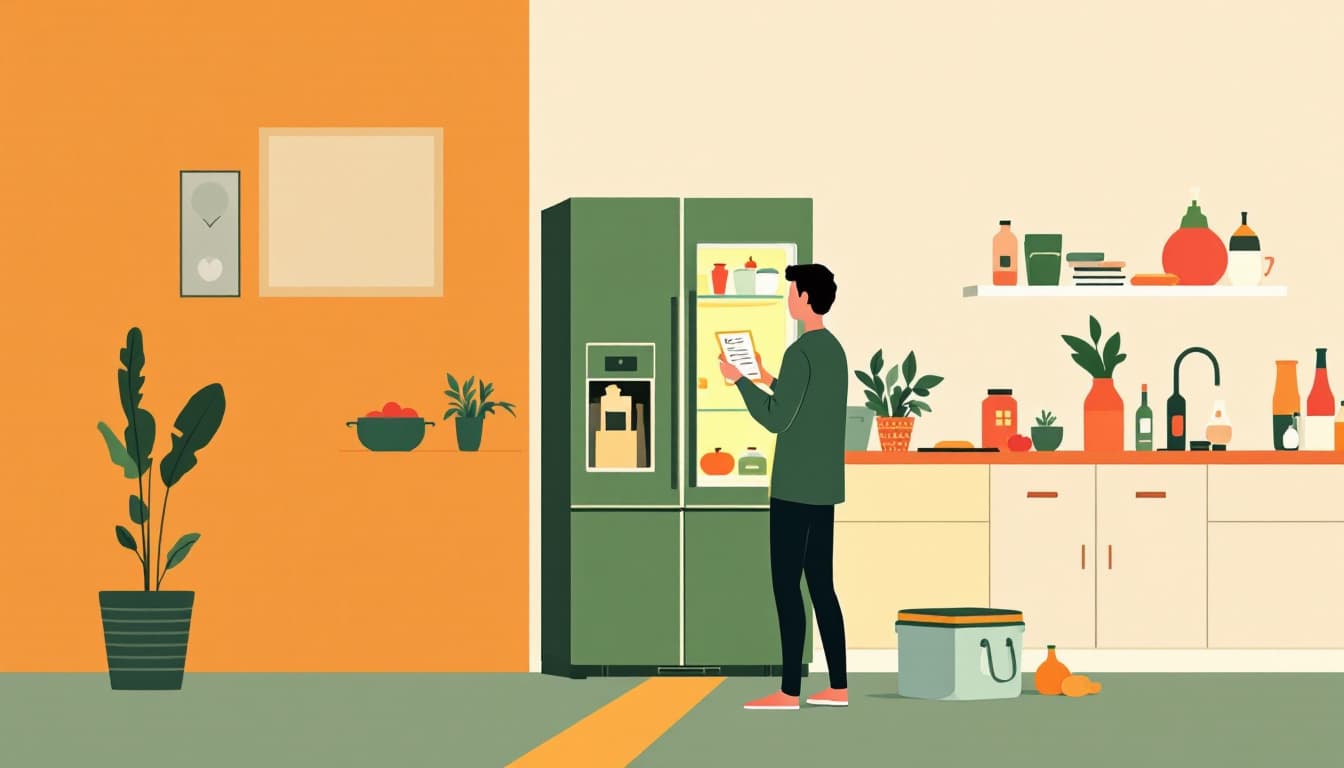
Put one gallon of water per person in the refrigerator or a cooler. Not as emergency storage — as immediate buffer. If power cuts out and storm cleanup is slow, that cold water buys you hours of safe hydration before conditions in the house become dangerous. This is especially true for households with children under five or adults over 65, who thermoregulate less efficiently.
Check your generator or battery system today, not tomorrow. If you own a generator, confirm it starts, that you have fuel, and that you know how to run it safely — meaning outside, away from windows and doors. Carbon monoxide poisoning from improperly operated generators kills Floridians every hurricane season. The same risk applies on a July holiday weekend. If you don't own a generator, a 300-to-500 watt portable power station can run a small fan and keep devices charged through most overnight outages for under $200.
The bigger picture
Florida households that live here year-round develop a working tolerance for this pattern — and that tolerance can shade into complacency. The storms are familiar; the heat is familiar; the outages are familiar. Familiar is not the same as harmless.
The goal is not to bunker down on the Fourth of July. It is to spend two hours this morning building a small margin of safety — charged devices, cold water, a plan — so that a routine Florida afternoon storm stays routine. Durability looks like that: not dramatic, not expensive, just a household that doesn't get surprised by the thing that happens every single summer.
Enjoy the holiday. Just move your party inside by 3 p.m.