A report this week from The Independent Florida Alligator gathered accounts from Florida farmers and agriculture experts describing what a prolonged dry stretch is doing on the ground: reduced yields, stressed crops, and rising input costs at the farm level. That story stays in the fields. This one comes home with you.
What's actually happening
Florida sits at an awkward intersection of climate patterns. The state's rainy season typically runs June through September, but when the wet season arrives late or underdelivers in the first weeks, farmers in the I-4 corridor, the Suwannee Valley, and South Florida's vegetable belt absorb the damage before any rain shows up. Drought stress on citrus, tomatoes, and leafy greens doesn't just mean smaller harvests. It means crops that hit market later, in smaller volumes, at higher prices — and sometimes don't hit market at all because the math doesn't pencil out for a smaller operator.
Florida produces a significant portion of the domestic orange crop and a large share of winter tomatoes and bell peppers. When those yields drop, grocery shelves in Florida don't just thin out — prices rise nationally, which means your local Publix or Winn-Dixie reflects that pressure even if you're nowhere near a farm.
The second issue is water. Florida's aquifer system, particularly the Floridan Aquifer, is the backbone of both agricultural and municipal supply in much of the state. Extended dry periods lower recharge rates. The St. Johns River Water Management District and the Southwest Florida Water Management District both issue drought advisories that carry real weight: outdoor watering restrictions tighten, and in some rural counties, well levels drop enough to affect household supply. If you're on a private well in Alachua, Marion, or Highlands County, that's not abstract.
There's a lag built into all of this. What farmers lose in April and May shows up in your produce section in July. What the aquifer loses this spring shows up in municipal cost pressures next year.
What we'd actually do
Check your county's current drought status and water restrictions before doing anything else. The U.S. Drought Monitor updates every Thursday. Your county's water management district website will have any active outdoor watering rules. Violating them carries fines in most Florida counties, and knowing the rules also tells you how serious local authorities think the situation is.
Drought conditions in Florida don't usually mean your tap runs dry, but they do mean water bills climb and restrictions tighten. Knowing where you stand before your bill spikes is worth ten minutes.
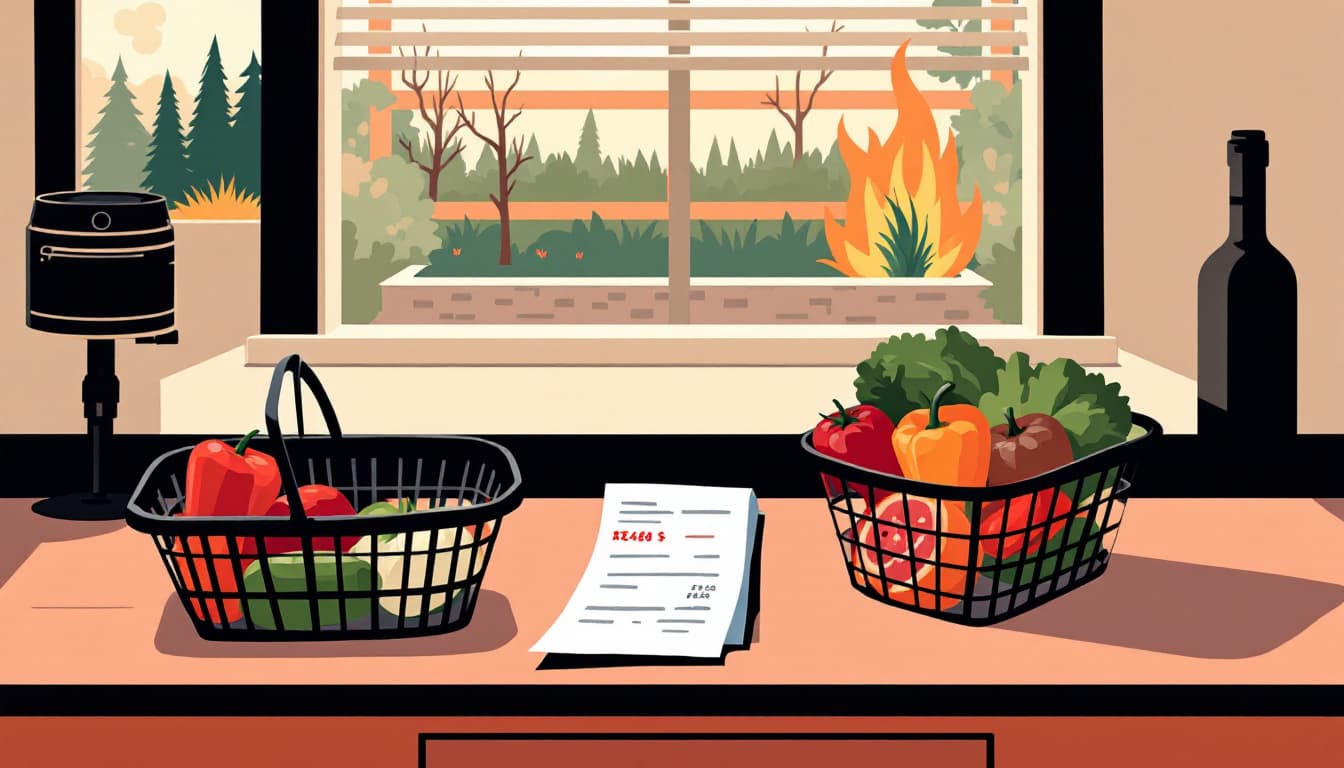
Add two weeks of shelf-stable produce to your pantry rotation — not as a bunker stockpile, but as a price buffer. Canned tomatoes, dried beans, and shelf-stable olive oil are all items whose prices track back to growing conditions. Buying a modest extra supply now, before summer drought headlines become summer grocery headlines, costs you less and wastes nothing if conditions improve. Rotate it into your meals normally.
This is the most practical form of household inflation hedging. You're not predicting catastrophe; you're buying ahead of a known seasonal price mechanism.
If you're on a private well, test it now and note your current water level. Many Florida counties offer low-cost or free water testing through the UF/IFAS Extension network. Knowing your baseline — chemistry, flow rate, depth — means you have something to compare against if you notice pressure changes in August or September.
Well owners are often the last to get official warnings and the first to feel supply changes. A baseline test costs under $50 through most county extension offices.
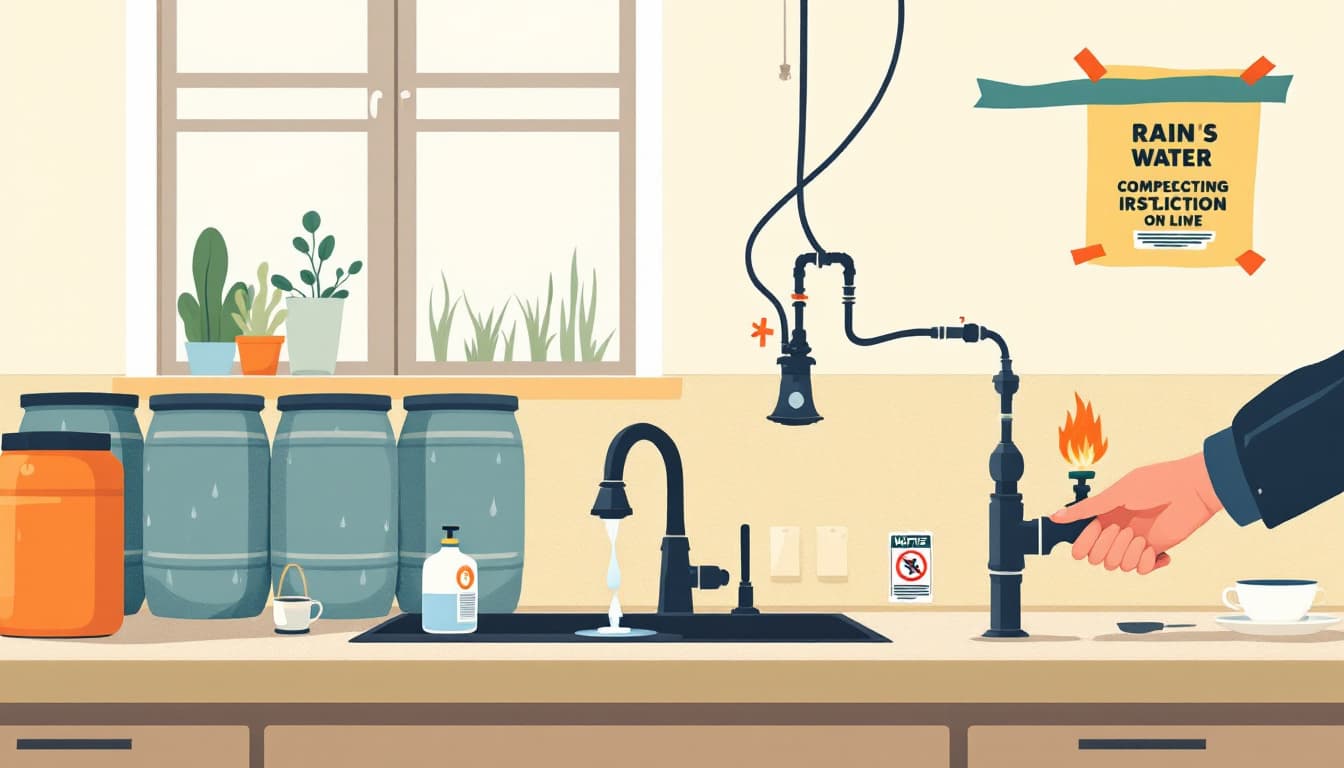
Consider a rain barrel if you're in a county where they're permitted. Florida law was clarified in recent years to allow residential rainwater collection in most jurisdictions. A 50-gallon barrel at a downspout costs roughly $30-80 at a hardware store and takes an afternoon to install. It won't replace your household water supply, but it covers outdoor plant watering and keeps you out of restriction violations during a dry stretch.
Check your city or county ordinance first — some HOAs have separate rules, and South Florida municipalities vary on permitting.
The bigger picture
Florida drought years are not new. The state has cycled through dry periods as long as records exist. What changes is the household cost of being unprepared for a predictable pattern. Local agriculture under stress means higher produce prices, tighter water budgets, and, in some rural areas, genuine supply strain for families on private wells. None of that is catastrophic. All of it is manageable with a little lead time.
The goal here isn't to stock a bunker before the rains come. It's to run a household that absorbs a dry summer without a crisis — and that costs less to run because you moved before the price signals arrived.