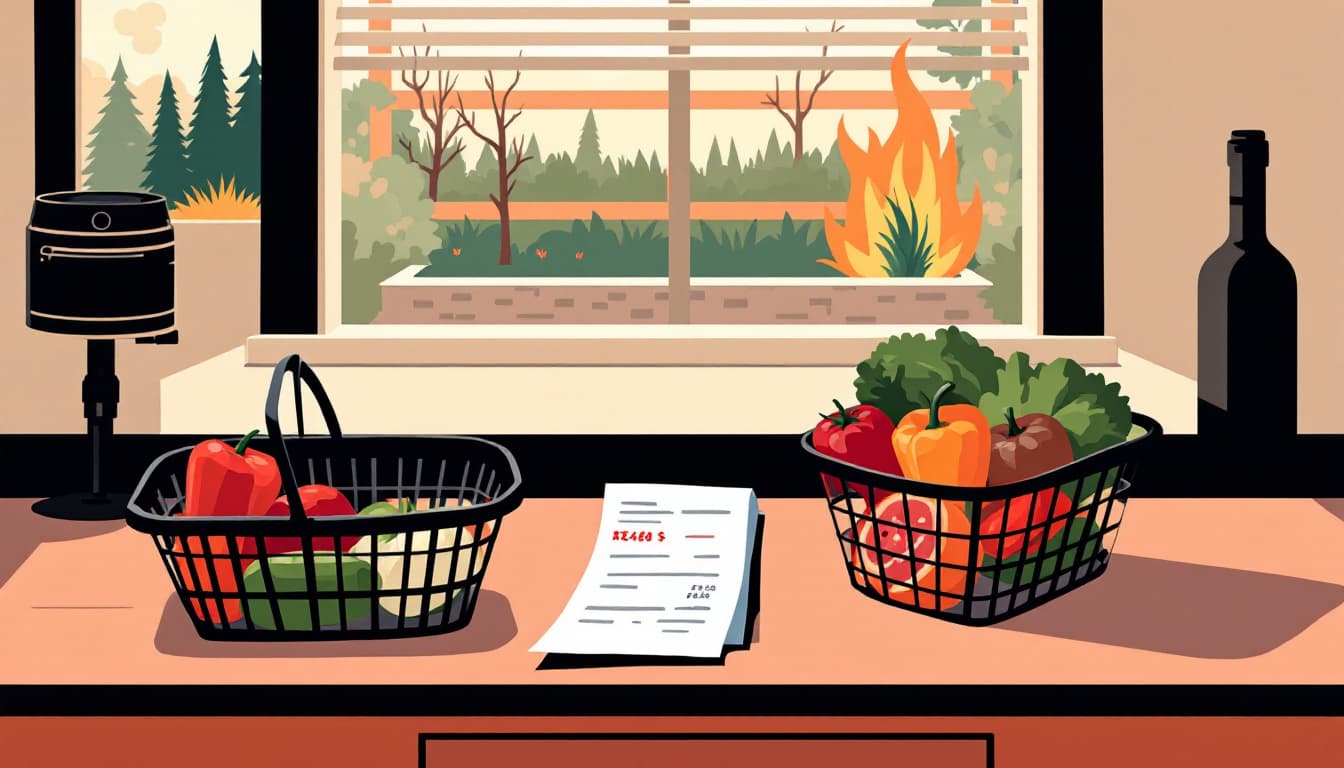
A dairy farm on Florida's Suncoast is spending measurably more on water pumping and fuel just to keep its herd alive and producing, according to a report this week from ABC7 WWSB. The farm isn't failing. It's coping. But coping costs money, and that money has to come from somewhere — which is how a regional drought eventually shows up as a higher number on your grocery receipt.
What's actually changing
Florida is not uniformly dry, but the Suncoast — the stretch of Gulf Coast counties running through Sarasota and Manatee — has seen below-normal rainfall long enough that agricultural operations are drawing harder on wells and running pumps longer. For a dairy farm, that's a double hit: water costs go up, and the fuel to move it goes up with them. Cattle that are heat-stressed or dehydrated also produce less milk per animal. Lower output plus higher input costs is a margin compression that farmers absorb as long as they can, then pass through to processors, then to retailers.
Florida's dairy industry is smaller than it was thirty years ago — consolidation and development pressure have shrunk the state's herd steadily — which means fewer farms are supplying a large and growing population. There's less slack in the regional system than there used to be. When even a handful of Suncoast operations face cost spikes simultaneously, the effect on local wholesale milk prices can move faster than it would in a state with more producers distributed across wetter geographies.
The Florida Division of Emergency Management and the Southwest Florida Water Management District (SWFWMD) both track drought indices, and SWFWMD in particular issues water shortage advisories that can restrict irrigation. Households in Hillsborough, Manatee, Sarasota, and adjacent counties should treat any active water shortage order as a signal that agricultural stress in the region is real, not hypothetical.
This also isn't just about milk. Dairies that cut production or exit the market push demand toward out-of-state supply, which means longer hauls, higher transportation costs, and more exposure to fuel price volatility — all of which land in the dairy aisle.
What we'd actually do
Check your SWFWMD district status right now. Go to watermatters.org, find the current phase of any water shortage order, and understand what it means for outdoor water use. If restrictions are in Phase II or above, the stress on agricultural users in your county is significant. This is a free two-minute habit, not a gear purchase.
Build a modest dairy buffer in your freezer. Butter freezes cleanly for up to a year. Hard cheeses, vacuum-sealed, hold well for months. A few extra pounds purchased over the next several grocery trips costs almost nothing now and insulates your household from a short-term price spike later. This isn't hoarding — it's shopping ahead by two or three weeks.
Audit your home water use with dollar figures attached. Florida households in drought-affected counties often face tiered water pricing that jumps sharply once usage crosses a threshold. Pull last month's bill and find out exactly where your household sits relative to your utility's tier boundaries. Dropping below the threshold — through shorter showers, fixing a running toilet, or adjusting irrigation schedules — can save $20 to $60 a month depending on your utility. That's real money, and it reduces demand on the same aquifers farmers are drawing from.
Shift some protein budget toward eggs and legumes temporarily. If dairy costs climb over the next two to three months, having practiced cooking with eggs, lentils, or canned beans means the substitution feels normal rather than like a sacrifice. Florida egg production is less drought-sensitive than dairy, and dry legumes store for years with no refrigeration.
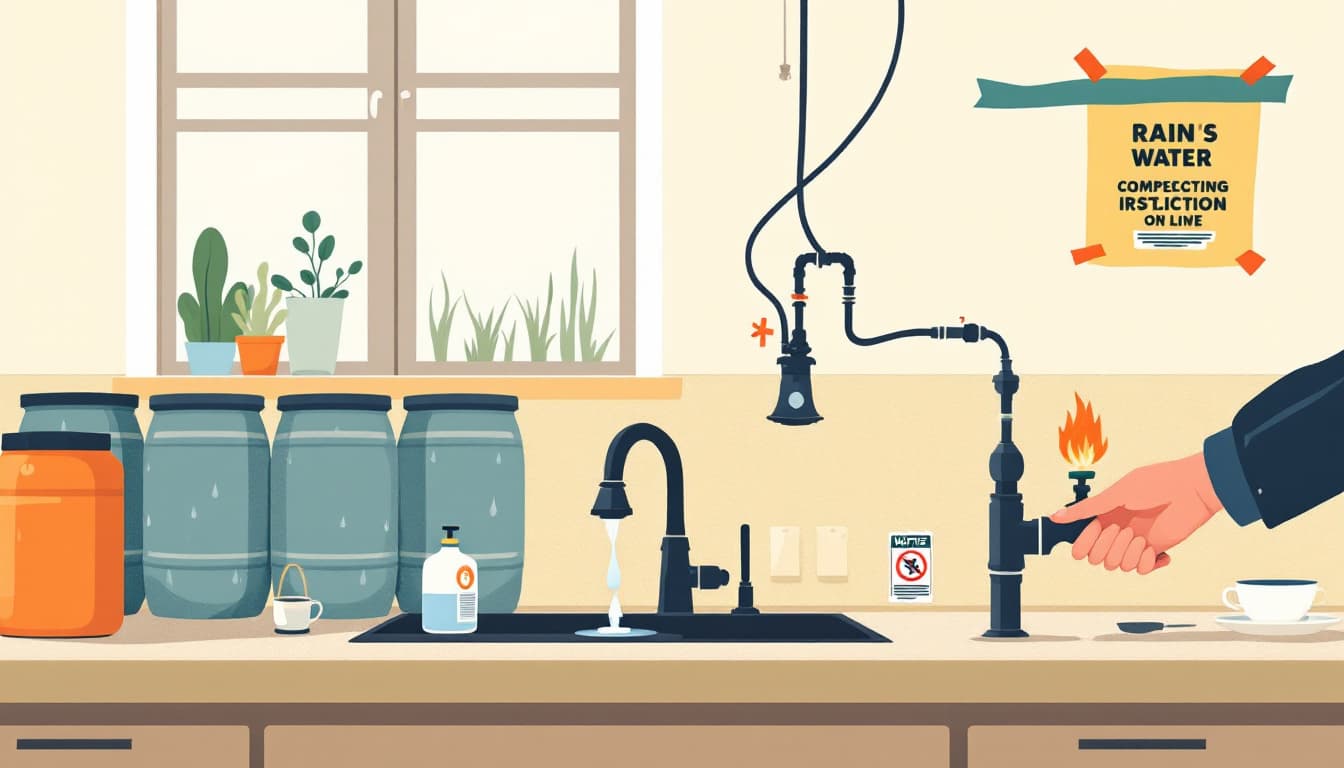
If you have a yard, consider a rain barrel before summer storm season peaks. Collier, Charlotte, and Sarasota counties have periodic rebate programs for rainwater collection equipment. A 55-gallon barrel costs $40 to $80 before any rebate and captures enough from a single Florida afternoon storm to water a garden for days. Check your county extension office — UF/IFAS county agents publish current incentive information.
The bigger picture
A Suncoast dairy farm spending more on water and fuel is not a catastrophe. It is a signal — one of many arriving this summer — that Florida's aquifer system, agriculture, and household water budgets are increasingly connected in ways that aren't obvious until costs start moving. The goal for a Florida household isn't to panic-stock the refrigerator. It's to understand which local systems are under stress, make a few low-cost adjustments, and stay positioned to absorb a price shift without it becoming a household crisis.
Durability, not disaster prep. That's the frame.