A yoursun.com report this week notes that drought conditions are draining water reserves across Southwest Florida, while water managers are telling residents that supply is secure. Both things can be true at the same time. The reassurance is about infrastructure capacity. It says nothing about what happens to your household if a boil-water notice hits your county, if restrictions tighten to once-a-week lawn watering, or if a hurricane makes landfall on already-stressed aquifer systems in the next few months.
Southwest Florida draws heavily on the Floridan and surficial aquifers, and the South Florida Water Management District has been managing below-normal rainfall conditions through much of the region since late last year. Charlotte, Lee, and Collier counties have all seen periods of water-use restrictions in recent drought cycles. The current official posture is cautious optimism. That's reasonable. It's also not a household water plan.
What's actually changing
"Secure" in water-management terms means the treatment plants are running, the pressure is on, and there's no imminent shortage in the distribution system. It does not mean:
- Your well (if you're on one) is recharging at normal rates
- Your utility won't issue mandatory outdoor watering restrictions within weeks
- A fast-moving tropical system won't compromise surface water quality or pressure systems between now and November
Florida's dry season typically runs through late May or early June. The wet season should be starting now — but if rainfall deficits persist into summer, reserve drawdown continues even as thunderstorms pop daily. The pattern is counterintuitive: it can rain hard and still be a drought year in aquifer terms.
The other piece residents often miss: boil-water notices after storms aren't rare in Southwest Florida. Lee and Charlotte counties have both issued them following hurricanes in recent cycles. If your stored water supply is zero and the tap goes unsafe for 72 hours, "secure" infrastructure doesn't help you much.
What we'd actually do
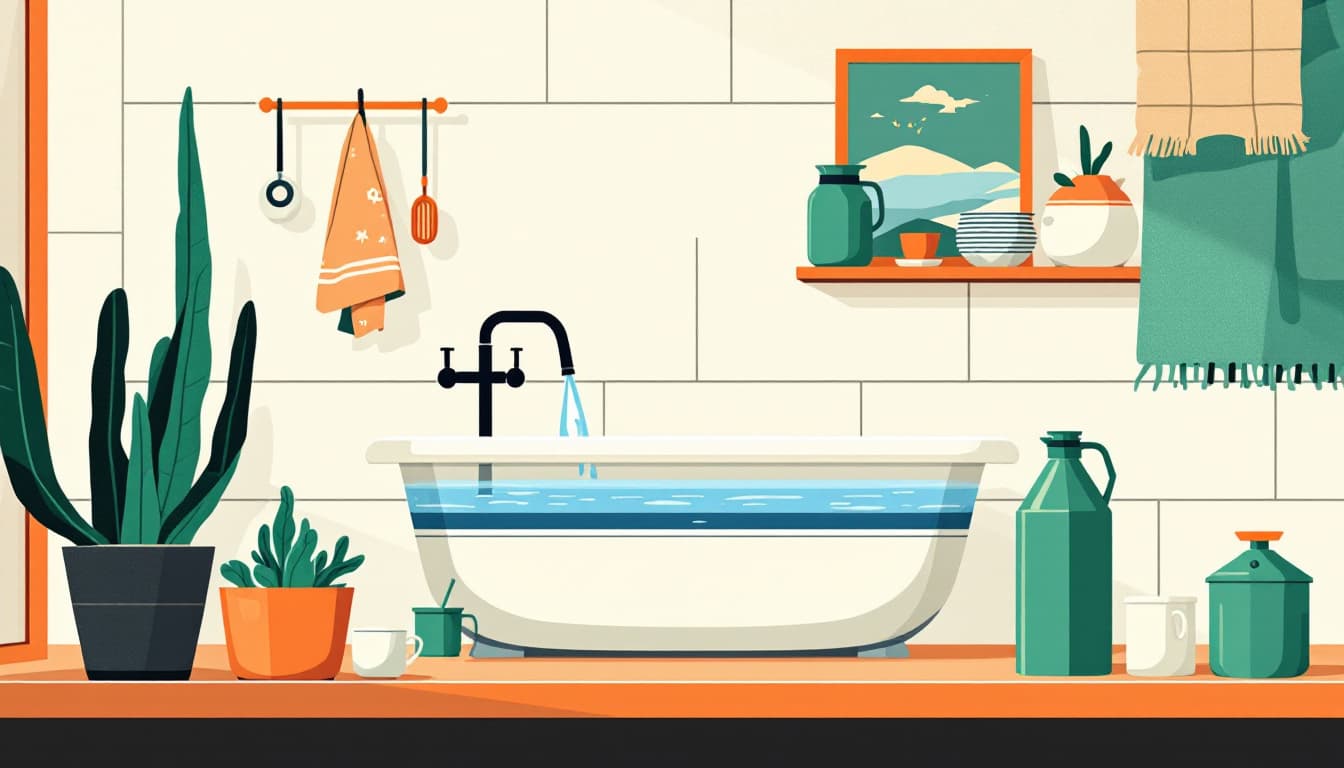
Start storing water now, before any official restriction or advisory. The standard preparedness figure is one gallon per person per day for drinking and sanitation. For a family of four, two weeks of water is 56 gallons. Fill clean food-grade containers — five-gallon stackable jugs work well in a garage — and rotate them every six months. This costs under $30 to start and fits in a standard two-car garage. Don't wait for an official alert; by then, store shelves in Southwest Florida move fast.
Check whether you're on a well and test it this month. If your home uses a private well — common in rural parts of Charlotte, Hendry, or Glades counties — drought conditions lower the water table and can concentrate contaminants. The Florida Department of Health recommends testing private wells annually; many households go years without doing it. A basic test kit through a state-certified lab runs $30–$75. Low water table + drought year is the time to know what's in your water, not after.
Know your county's current watering restrictions and the escalation schedule. Charlotte County Utilities, Lee County Utilities, and the City of Naples all publish watering restriction stages online. Look up your specific utility, bookmark the page, and note what Stage 2 or Stage 3 triggers look like. If you have irrigation running on an old schedule, you may already be in violation without knowing it — and more importantly, you'll be the last to adapt when restrictions tighten.
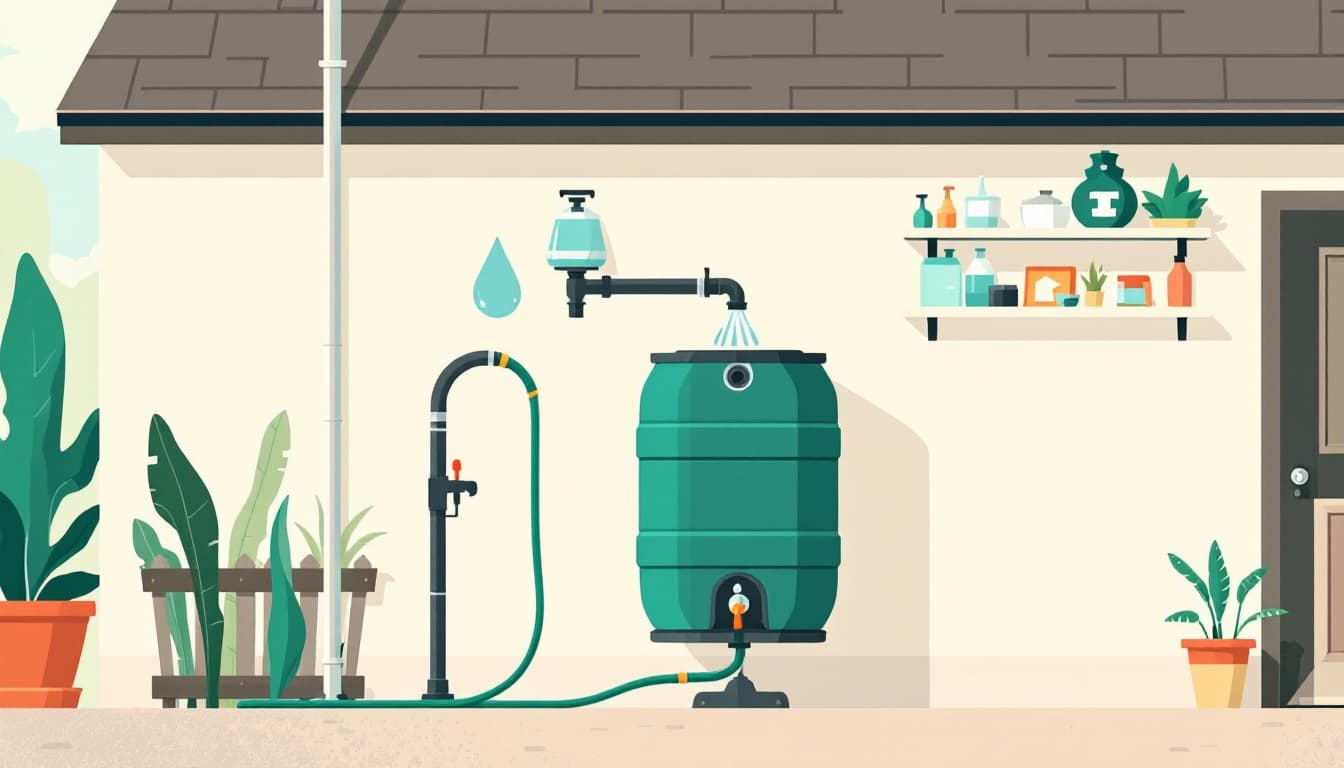
Add a portable water filter to your hurricane kit. A gravity-fed or squeeze filter rated for biological contaminants (Sawyer and similar brands run $30–$50) lets you process water from a pool, rain barrel, or neighbor's hose if tap quality becomes uncertain after a storm. This is not about paranoia. It's about having one more option during the 48–72 hour window when utilities are stressed and stores are stripped.
If you have a pool, treat it as a contingency water source — but know its limits. Pool water is not safe to drink without filtration and treatment. It can, however, be used for flushing toilets and basic sanitation during a supply disruption, which stretches your drinkable stored water further. The average residential pool holds 10,000–20,000 gallons. That's a meaningful buffer if you plan for it.
The goal here isn't to contradict the water managers — they're probably right that the system holds. The goal is to recognize that household resilience doesn't start when officials declare a problem. Southwest Florida has enough variables between now and the end of hurricane season that building a small, low-cost water buffer this week is just rational household management, not panic. Drinkable water is the one supply chain you cannot improvise around when it fails.