A CBS News report this month documented something that should register as more than a travel advisory: France has banned outdoor drinking in certain areas as a significant heat wave pushes across Europe. The measure is a public-order response to heat-related behavior, not just a temperature statistic. Governments don't restrict what people do outside unless conditions are producing real harm at scale.
This is now a recurring pattern, not an anomaly. Europe has logged multiple severe heat events in recent summers. The question for a household isn't whether Europe's experience is dramatic — it's whether your home is structured to handle the version of this that arrives where you live.
What's actually changing
Heat waves kill more people annually in the U.S. than floods, tornadoes, and hurricanes combined, according to CDC historical mortality data. The deaths are concentrated in specific, predictable populations: older adults, people without air conditioning, people who live alone, and people who don't recognize early heat illness symptoms in themselves.
The European pattern is instructive because their building stock — like much of the older U.S. housing in the Northeast and upper Midwest — was not designed for sustained high heat. No central air, poor insulation against heat gain, upper floors that trap warmth overnight. Fans move hot air. They don't cool it.
The other thing changing: grid stress. Air conditioning demand spikes during heat events across entire regions simultaneously. Utilities manage rolling demand by cutting voltage or, in worst cases, rotating outages. A household that depends entirely on powered cooling is one grid hiccup away from a serious problem.
France's outdoor drinking ban signals something else, too: water supply and hydration logistics become a public management issue when heat is severe enough. That's not a European problem. That's a systems problem.
What we'd actually do
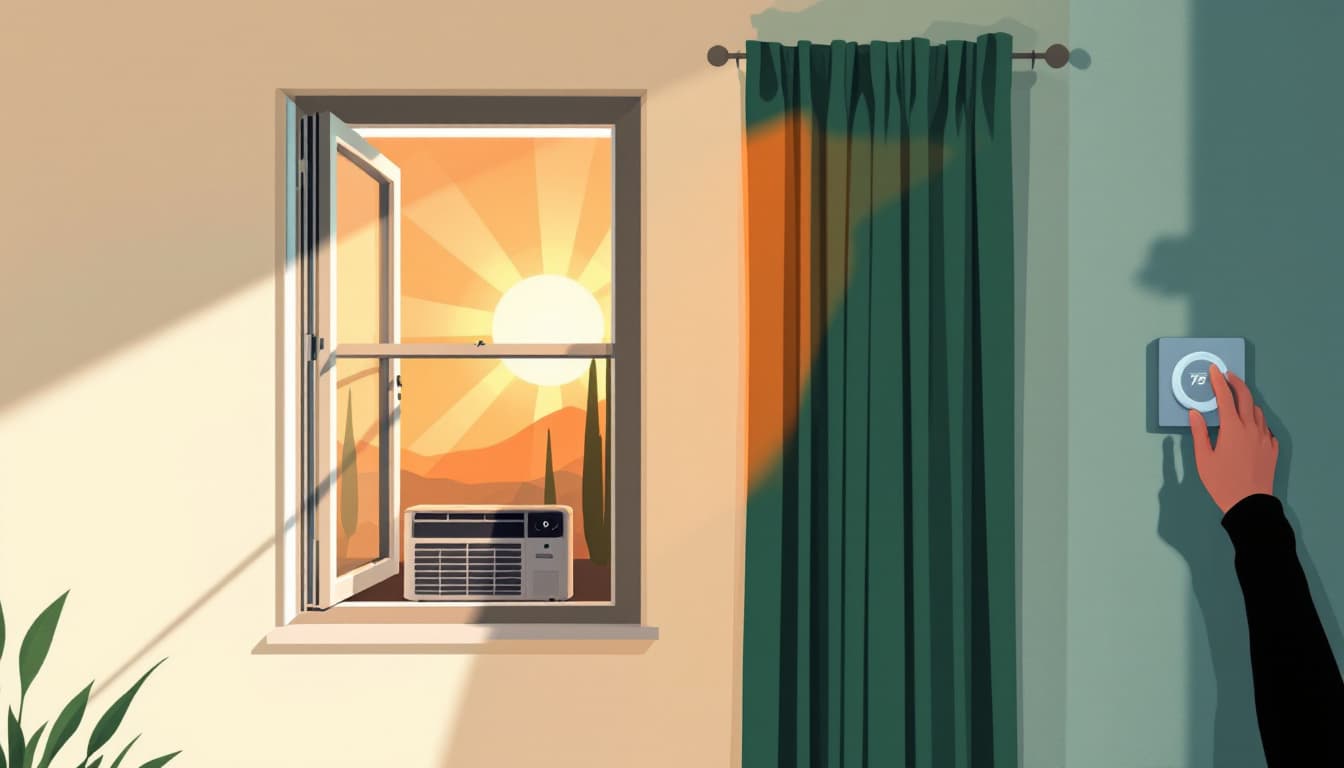
Audit your home's overnight low temperature, not its daytime peak. Most heat illness occurs because a home never cools down at night. Spend one hot night this summer tracking indoor temperature every two hours after sunset. If your upstairs bedroom is still above 80°F at midnight, you have a heat retention problem that a window AC unit in the bedroom — not the living room — will address more directly than any other single intervention.
Build a one-room cool zone and commit to using it. Identify the lowest, most shaded room in your home. It doesn't need to be comfortable — it needs to be survivable. A portable or window AC unit rated for that room's square footage, a door that closes, and a plan to sleep there during a multi-day event is more durable than hoping the whole house stays cool. If you don't have AC, a north-facing basement room with a box fan pulling outside air at night can drop temperatures meaningfully.
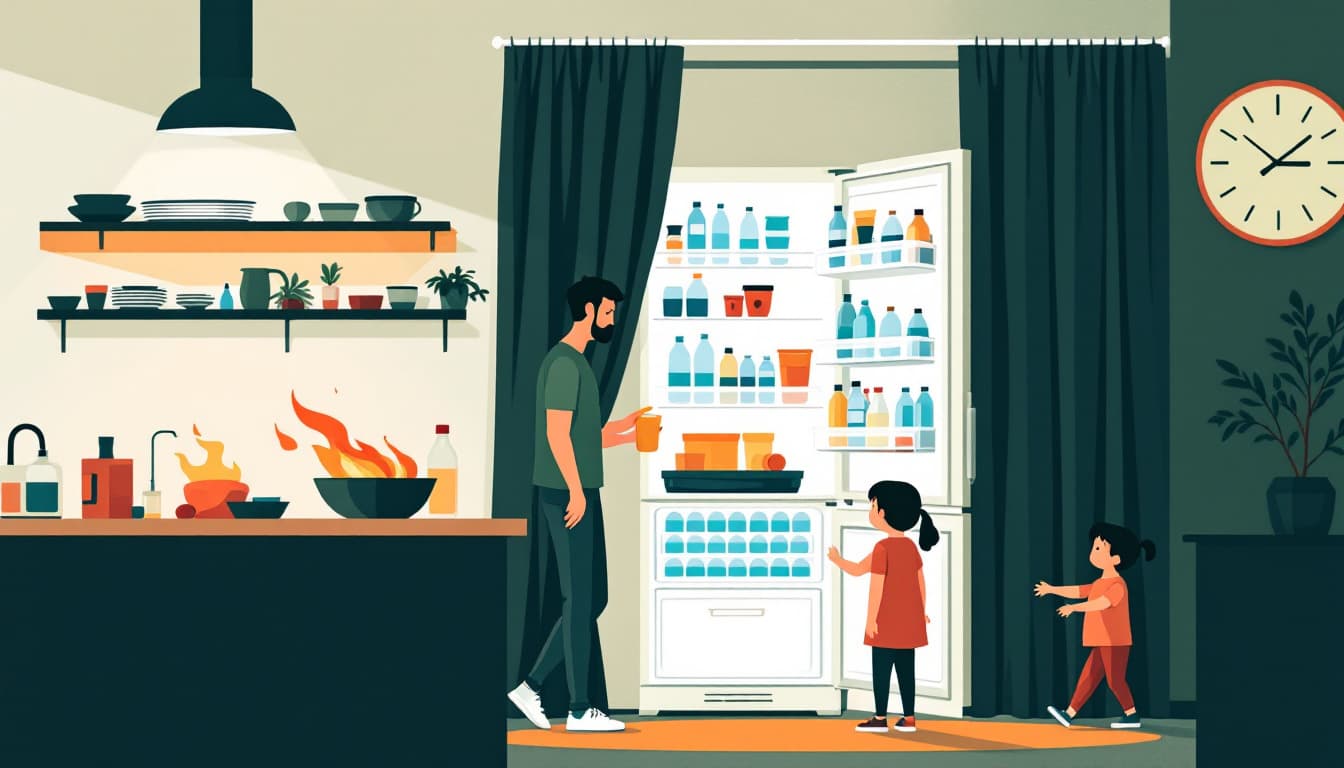
Stock water for three days without assuming tap pressure holds. A CBS News report on France's restrictions is a useful reminder that water logistics can become complicated fast when heat stress affects infrastructure and public behavior simultaneously. Three gallons per person per day is the standard recommendation for drinking and minimal hygiene. That's 36 gallons for a family of four for three days — roughly six standard water jugs. Store them somewhere that doesn't itself get dangerously hot.
Know who in your network is most exposed. This is not gear advice. It's the most effective intervention available: make a list of people in your life who are over 65, live alone, or lack reliable cooling. Contact them proactively when a heat advisory is issued. Heat-related deaths are largely preventable, and most prevention is social, not technological.
Check your power backup assumptions before you need them. If you have a generator or battery backup, test it under load in summer conditions before a heat event. A generator that last ran in October may not start reliably. A battery backup rated for 1,000Wh will run a 100-watt fan for about eight hours — not an AC unit. Know what you actually have.
The bigger picture
Heat events don't announce themselves as emergencies. They arrive as a stretch of uncomfortable days, and by the time a household is in distress, the window for easy action has already closed. The goal isn't to build a bunker against summer. It's to structure your home and your social network so that a week of serious heat is an inconvenience rather than a crisis.
Europe is running this experiment in real time, in housing stock that wasn't built for it, in cities with dense populations. The lessons are transferable. The time to apply them is before the advisory.