In late June 2021, a heat dome settled over the Pacific Northwest and killed more than 100 Oregonians in roughly 72 hours. Portland hit 116°F. Power grids buckled. Cooling centers ran out of space. The people who died were disproportionately older adults living alone in homes built without air conditioning, because until that week, no one thought they needed it.
A report this week from KUOW marks five years since that event and finds that Washington — and by extension, the broader Pacific Northwest — has made incremental progress but remains structurally unprepared for a repeat. The analysis Oregon households should do right now is not about Washington policy. It's about whether your home and your family are in the same position those households were in the summer of 2021.
What has actually changed — and what hasn't
Oregon's building codes have been updated since 2021 to require mechanical cooling in new construction. That helps new buildings. It does not help the roughly two-thirds of existing Oregon homes that were built without central air conditioning, particularly the older housing stock in Portland's inner eastside, the Willamette Valley, and rural southern Oregon.
The Oregon Office of Emergency Management has expanded its heat-emergency protocols and coordination with counties, which is real progress. But county-level cooling center capacity is still largely reactive — it scales up after an event begins, not before. In the 2021 dome, centers filled or ran short of supplies within hours of opening. Response infrastructure has improved; anticipatory household preparedness has not kept pace.
Meanwhile, the atmospheric conditions that produced the 2021 dome — a blocking high that stalled over the region and drove temperatures 30 to 40 degrees above normal — are not a freak outlier. Climate researchers have been consistent: these events are more probable now than they were in 1990, and the Pacific Northwest's geography means they tend to be severe when they occur.
What we'd actually do
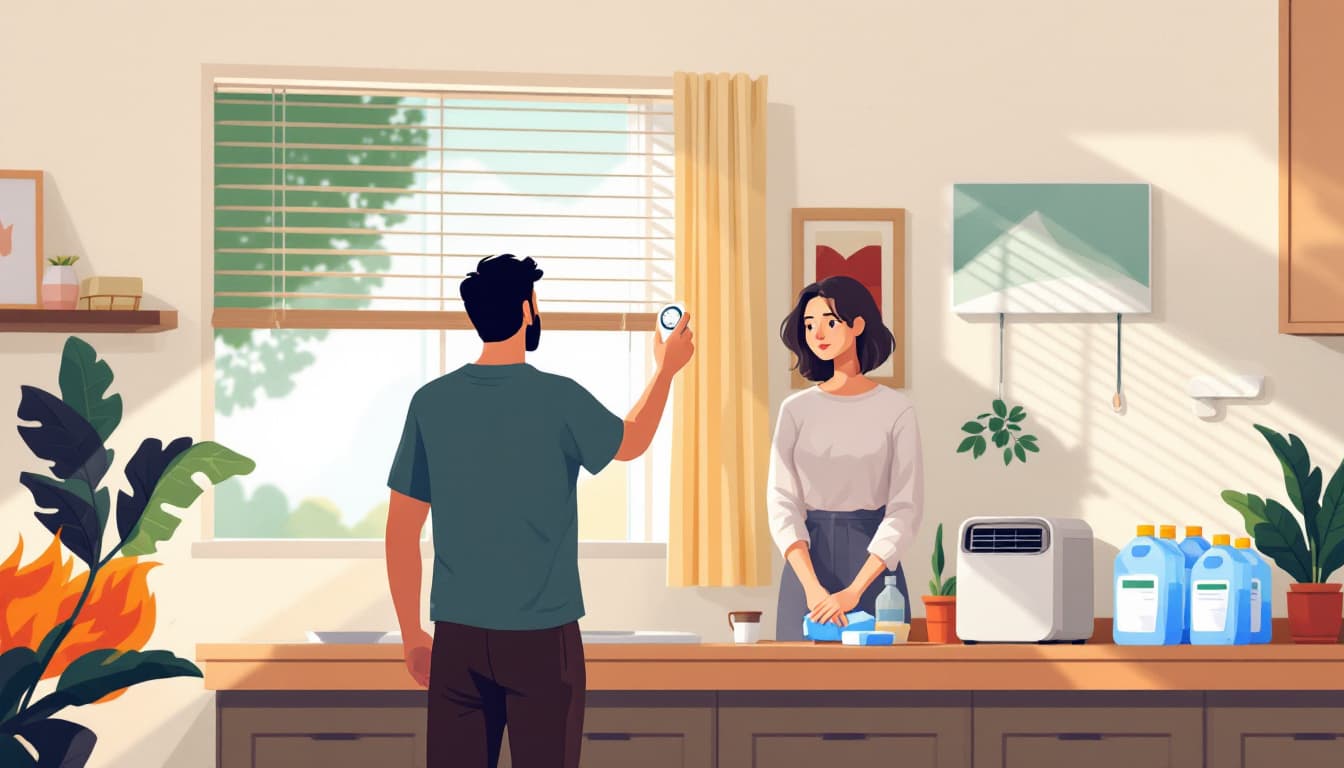
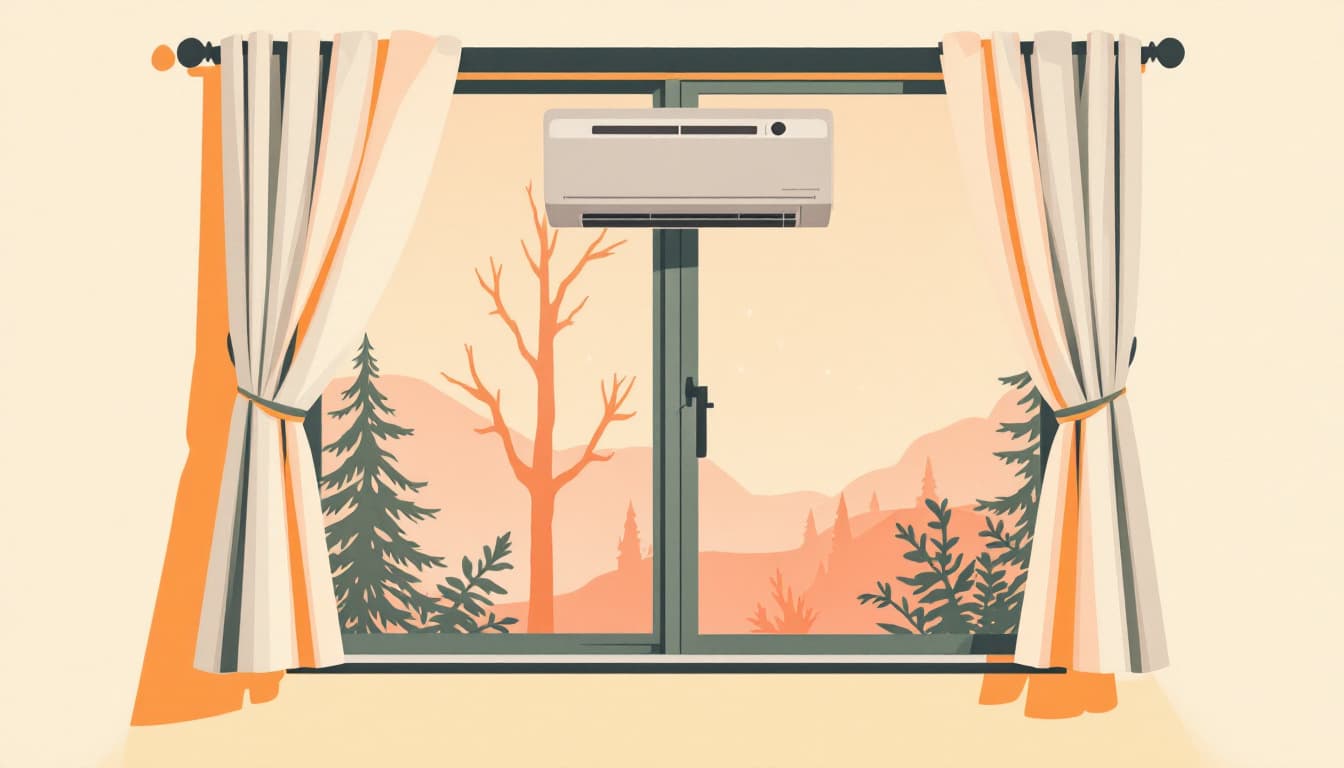
Get a window unit or a portable AC before the next forecast, not during it. When a heat event is forecast, big-box stores in Portland, Eugene, and Medford sell out of portable and window air conditioners within 24 hours. A single 8,000–10,000 BTU window unit for a bedroom runs $150–$250 and can keep one room survivable. If budget is a constraint, prioritize the room where your most vulnerable household member sleeps. Oregon Energy Trust offers rebates on efficient cooling equipment — check their current schedule at energytrust.org.
Identify your household's actual vulnerability before August. The 2021 deaths were concentrated among people over 65, people with cardiovascular or respiratory conditions, and people living alone. If your household includes any of those, your heat plan needs to be more deliberate than "we'll open the windows." Write down who in your extended network fits that profile. Heat kills through isolation as much as temperature.
Know your county's cooling center locations now, not when the forecast hits 105°F. Multnomah County, Lane County, and Jackson County all maintain heat-relief location lists that are updated seasonally. Save the direct county emergency management page — not a news article about it — in your phone contacts. The information is easier to find on a Tuesday in May than at noon on a Friday in July.
Insulate your windows before heat arrives. Blackout curtains on south- and west-facing windows can reduce indoor temperature meaningfully during a dome event. They cost $20–$40 per window at most home improvement stores and work immediately. Closing them before the hottest part of the day — not after — is what makes the difference.
Stock oral rehydration salts, not just water. Heavy sweating depletes electrolytes faster than plain water replaces them, particularly in older adults. A box of oral rehydration packets (sold at pharmacies, often under $10) belongs in the same cabinet as your first aid kit.
The bigger picture
The 2021 heat dome was not the last event of its kind. It was a preview. The practical question for Oregon households is not whether another severe heat event will occur but whether you are in a different position than those households were in 2021. For most families, the gap between "fine" and "in serious danger" during a multi-day 110°F event is narrower than it feels in a normal June.
Durability is the goal. That means building household systems that work under stress without requiring a last-minute run to a sold-out store. A window unit, a list of cooling centers, and blackout curtains get you most of the way there.