A report this week from cbsnews.com flags extreme heat heading for Denver this weekend. For most Front Range households, the default response is to crank the AC and complain. That's not a plan.
Colorado heat events carry a few specific wrinkles that generic heat-wave coverage skips. Here's what actually matters at the household level.
What's actually different about a Colorado heat event
Denver sits at 5,280 feet. High altitude means more UV exposure per degree of air temperature — sunburn and dehydration accelerate faster than they would in a coastal city hitting the same number on the thermometer. The "it's a dry heat" instinct also lulls people into underestimating fluid loss through respiration and sweat that evaporates before you feel it.
The grid piece matters too. Xcel Energy serves most of the Denver metro, and peak-demand events in Colorado now routinely trigger conservation alerts and, occasionally, controlled load reductions. In recent summers, Xcel has asked customers to reduce usage between 3 p.m. and 7 p.m. on high-demand days. That window is exactly when afternoon temperatures crest. If you're counting on air conditioning running continuously through a multi-day event, that assumption deserves stress-testing.
Finally, Colorado's fire-weather context adds a layer. Extreme heat combined with low relative humidity can push the state's Red Flag Warning risk. That's not the same emergency as the heat itself, but it affects whether you want windows open at night for cooling — if smoke is present, that tradeoff changes.
What we'd actually do
Audit who's in your household and who's nearby before Friday. Start with people, not gear. Anyone over 65, under five, pregnant, or on medications that affect heat tolerance (diuretics, beta-blockers, antihistamines, and certain antipsychotics all interfere with the body's cooling response) needs a specific plan. That means a cool space identified in advance, not improvised at 2 p.m. Saturday when they're already symptomatic. If you have elderly neighbors who live alone, a text now costs nothing.
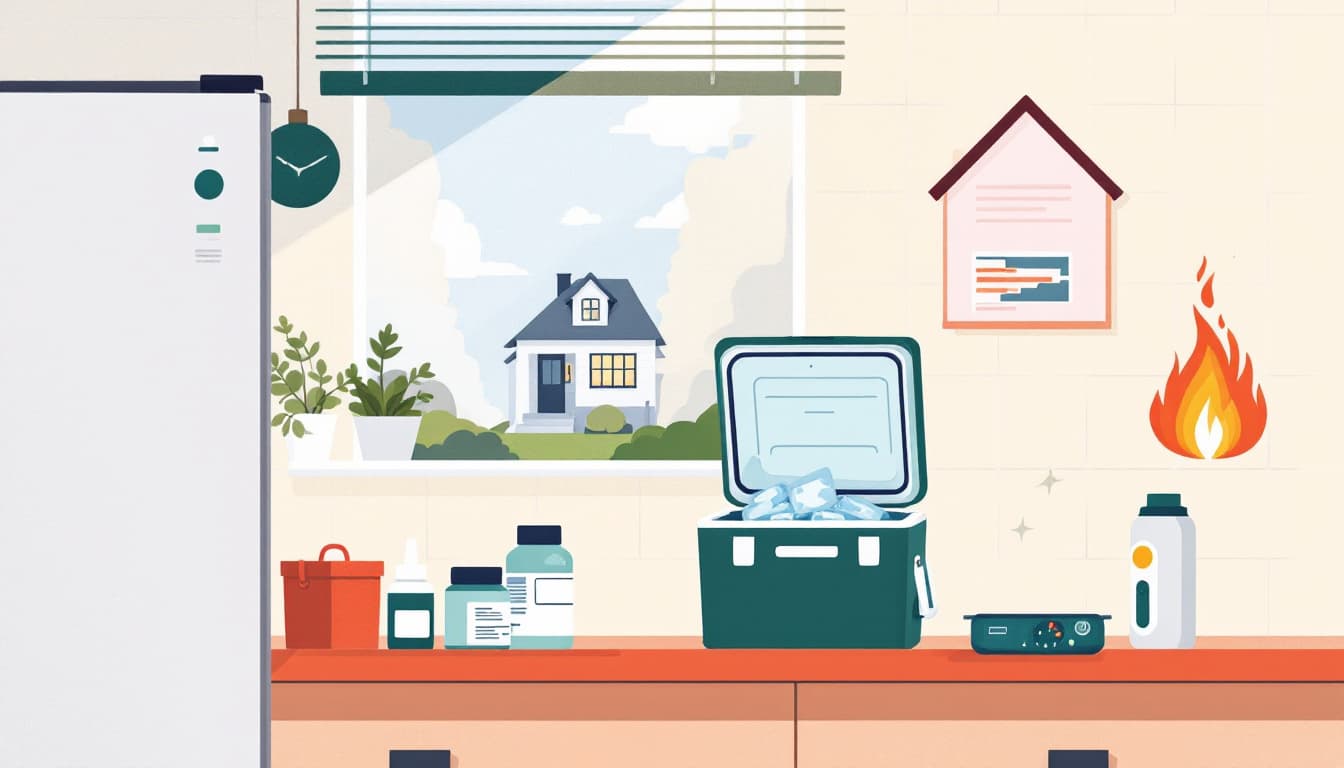
Check medication storage today. Many prescription medications degrade above 77°F, and a home that hits 85°F indoors during a power disruption can compromise a month's supply of insulin, certain thyroid medications, or biologics in just hours. Colorado households storing temperature-sensitive medications should know where the nearest pharmacy with refrigerated storage is, and whether their insurance covers emergency replacement. Look at the label. If it says "store below 77°F" and your home loses AC for eight hours, that's a real problem.
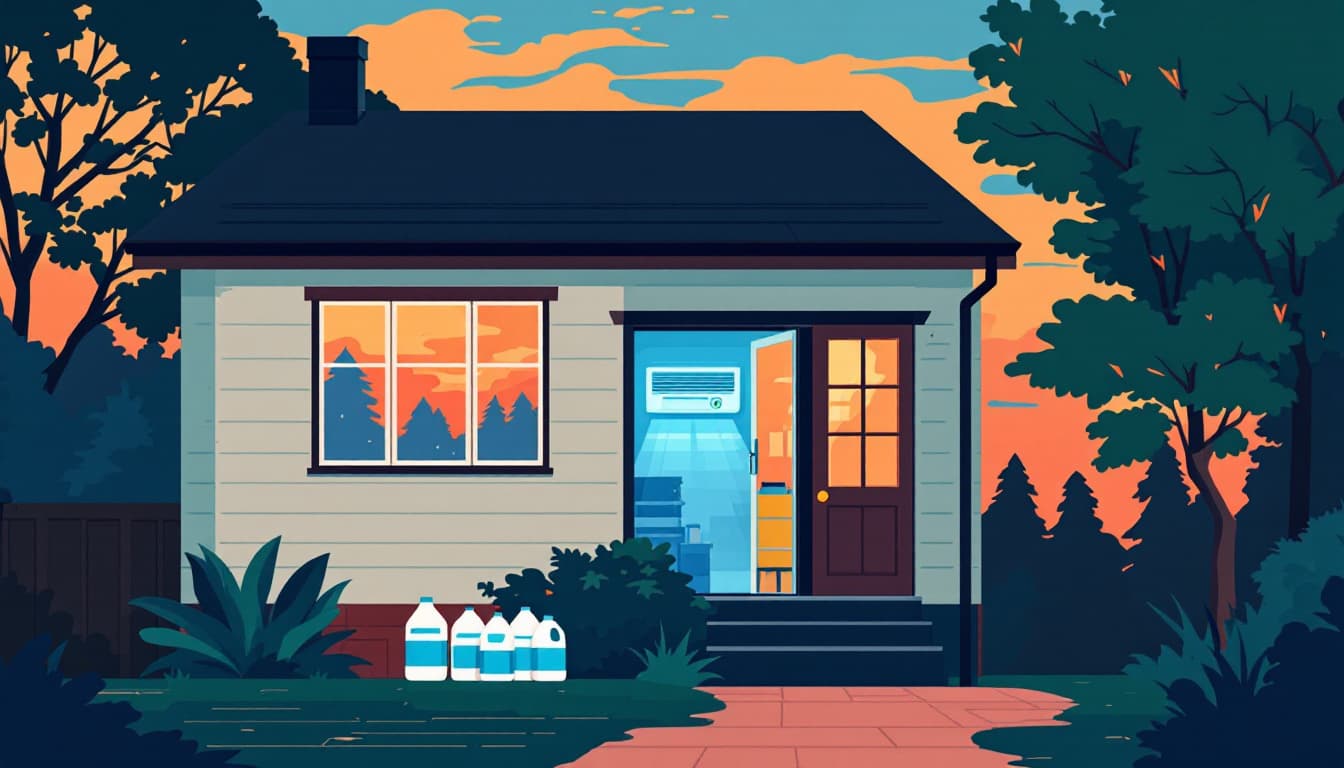
Pre-cool your home before peak grid demand, not during it. If you have central air, run it harder in the morning — get the thermal mass of your walls, floors, and furniture cooled down before 3 p.m. A well-cooled home will stay tolerable for two to three hours after the AC cycles down or is reduced. This is especially useful if Xcel issues a conservation request or if your unit is older and struggles during peak load.
Fill water containers now, not when the forecast peaks. A gallon per person per day is the standard floor. In high-altitude, low-humidity Colorado heat, that's probably a floor, not a target. A family of four running errands and doing anything physical in 100°F weather should be planning for more. Freeze some of that water in large containers — it doubles as food-safe cooling mass if the power goes out.
Identify your cooling backup before you need it. Denver Public Library branches, REI, most grocery stores, and many recreation centers serve as informal cooling centers. Denver Human Services also activates formal cooling centers during declared heat emergencies — check denvergov.org for the current list rather than assuming any single location is open. Know two options, not one.
The bigger picture
Extreme heat is now the leading weather-related cause of death in the United States, and Colorado's Front Range has been trending hotter over successive summers. This weekend's forecast isn't a sign of civilization collapsing — it's a sign that a household's baseline summer resilience needs a harder look than most families have given it.
The goal is not to be dramatic. The goal is to not be surprised. A few hours of preparation Friday morning is worth considerably more than a frantic response Saturday afternoon. Durability looks boring from the outside. That's the point.