A report this week from 41nbc.com describes what Coloradans on the Front Range and in mountain communities are already living: active flood evacuations while a heat dome presses down across the West. These are not sequential disasters. They are simultaneous ones, and that simultaneity is the part most household emergency plans miss entirely.
What's actually happening
Late-July flooding in Colorado is not unusual. Afternoon monsoon moisture collides with terrain, and burn scars from recent wildfire years — there are plenty of them across the San Juan Mountains, the Wet Mountains, and the I-70 corridor — accelerate runoff dramatically. Soil that has been baked by weeks of heat absorbs almost nothing. The water moves fast, and it moves carrying debris.
The heat dome piece matters separately. Sheltering in place during a flood evacuation is already stressful. Doing it when overnight lows stay above 75°F and daytime temps push past 100°F in lower-elevation communities creates a compounding problem: your go-bag assumptions were probably built around cooler conditions. A wool base layer and a foil emergency blanket are not your friends in a high-school gymnasium in Pueblo in late July.
The two threats also pull emergency resources in opposite directions. Swift-water rescue teams are deployed into canyons and creek corridors. Cooling center logistics and welfare checks for elderly neighbors absorb local public health capacity. County emergency managers in Colorado are stretched, which means household self-sufficiency matters more in the first 24 to 72 hours than in a single-event emergency.
What we'd actually do
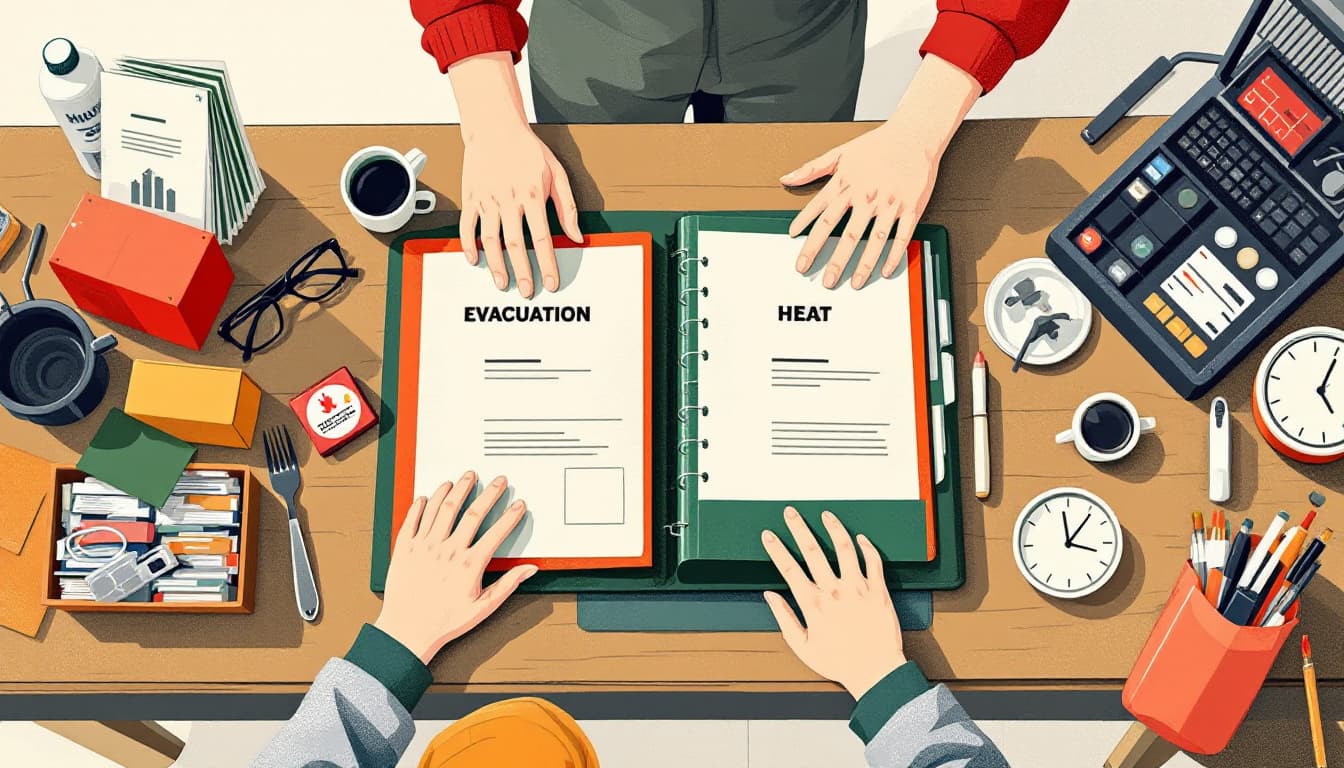
Review your evacuation bag for heat, not just cold. Most Colorado households packed their go-bags thinking about mountain winters or power outages in shoulder seasons. Pull it out today and add two things: a lightweight change of clothes appropriate for 95°F weather, and electrolyte packets. A 72-hour bag that keeps you warm but overheats you in a July evacuation shelter is a liability.
Know your county's specific flood watch hierarchy. Colorado's 64 counties use a mix of CDPHE, Colorado Division of Homeland Security and Emergency Management (DHSEM), and local sheriff communications. A flood watch, a flood warning, and an evacuation order are three different legal and logistical states. Sign up for your county's emergency alert system — most Colorado counties use Nixle, CodeRED, or a county-specific opt-in text system. Do not rely on broadcast media to reach you in time.
Identify a non-canyon evacuation route now, while roads are clear. If you live in a mountain community, a river valley, or near a burn scar drainage, pull up a map today. Colorado's canyon roads — US-36 into Boulder, US-34 into Estes Park, Highway 67 in Teller County — are the first roads to close. Know the alternate. Know it before you need it.
Establish a check-in protocol with one out-of-state contact. Local phone networks clog during declared emergencies. An out-of-state family member or friend can serve as a relay node: everyone checks in with them, and they track who is accounted for. Decide on this contact, share the plan with all household members including kids, and write the number down on paper. Phones die.
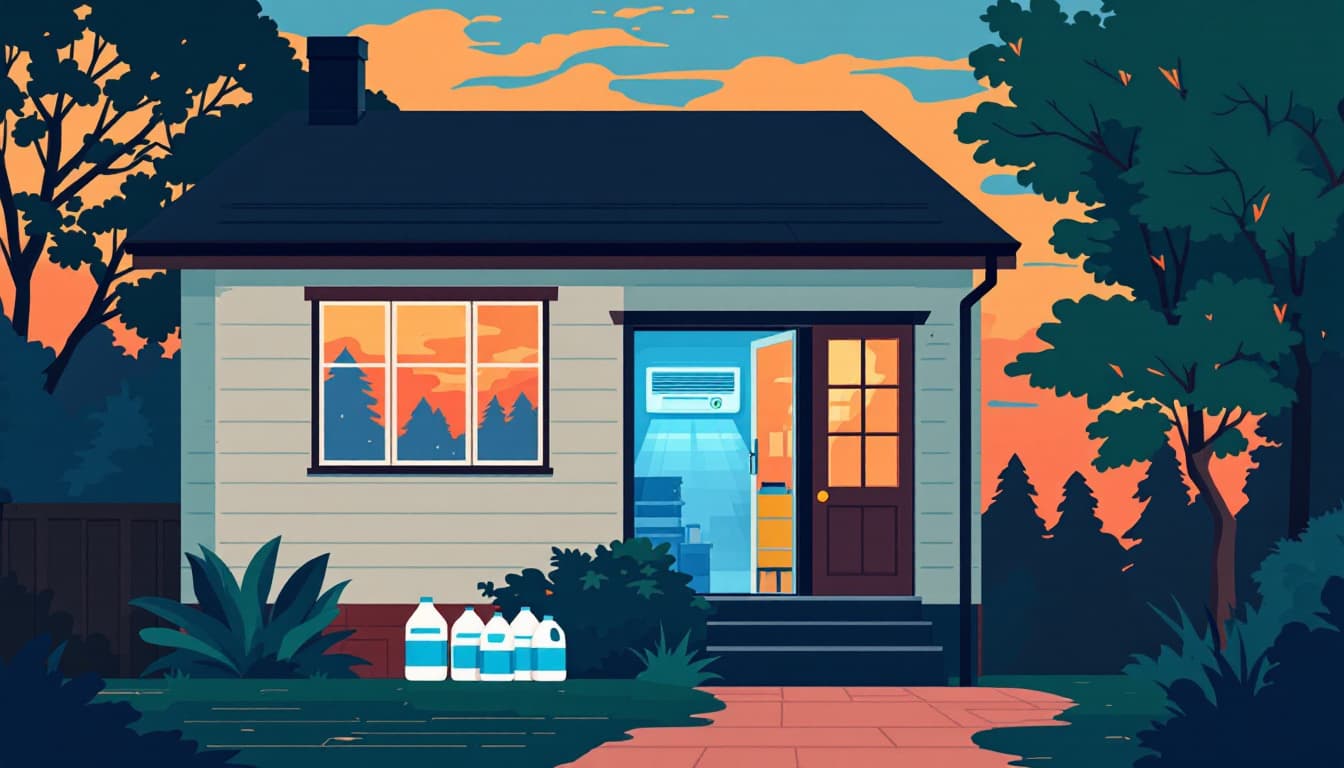
Pre-position water for both drinking and cooling. The heat dome means that even households not in a flood zone face risk. Recent data from heat-related emergency room visits consistently shows that dehydration compounds quickly once temperatures hold above 95°F for multiple days. Store enough water for three days at a gallon per person per day minimum — but also keep a spray bottle and a battery-powered fan accessible, not buried in a closet.
The bigger picture
Colorado is not becoming uninhabitable. But the old mental model — flood season is spring snowmelt, heat is a summer inconvenience, wildfires are a September problem — no longer maps cleanly onto what's actually occurring. These events overlap. A household that has thought through only one threat at a time will find the gaps at the worst possible moment.
Durability is the goal. Not a bunker, not a truck full of freeze-dried food. A household that can function clearly and safely for 72 hours without outside help, in July heat, on short notice. That's an achievable standard, and this week is a reasonable prompt to test whether you meet it.