A water district in Mesa County just made drought pricing official.
A report this week from The Grand Junction Daily Sentinel confirmed that Clifton Water District — serving a dense suburban stretch east of Grand Junction on the Western Slope — has implemented drought-tier rates. That means customers who exceed baseline usage thresholds pay a higher per-gallon price, automatically, until conditions improve. No vote required from residents. No warning beyond what's in the fine print of the rate schedule most people never read.
This is not a Grand Junction story. It's a Colorado story.
What's actually changing
Drought-tier pricing is a demand-management tool water utilities use when reservoir storage or snowpack-fed supply drops below operational thresholds. Colorado's water infrastructure is snowpack-dependent to a degree most residents underestimate. The Colorado River system, which supplies much of the Western Slope, and the South Platte and Arkansas basins, which anchor the Front Range, both rely on mountain snowmelt timed across a narrow spring window.
When that window underperforms — as it has in multiple recent years — utilities face a choice: ration by restriction, ration by price, or draw down reserves faster than they recharge. Drought rates are the market signal version of rationing. They don't cut your water off. They make waste expensive.
What Clifton did is permitted, and increasingly common, under Colorado water law. The Colorado Division of Water Resources and the Colorado Water Conservation Board both track conditions that trigger these mechanisms. Your district may have the same authority written into its rate tariff right now. Most households have never checked.
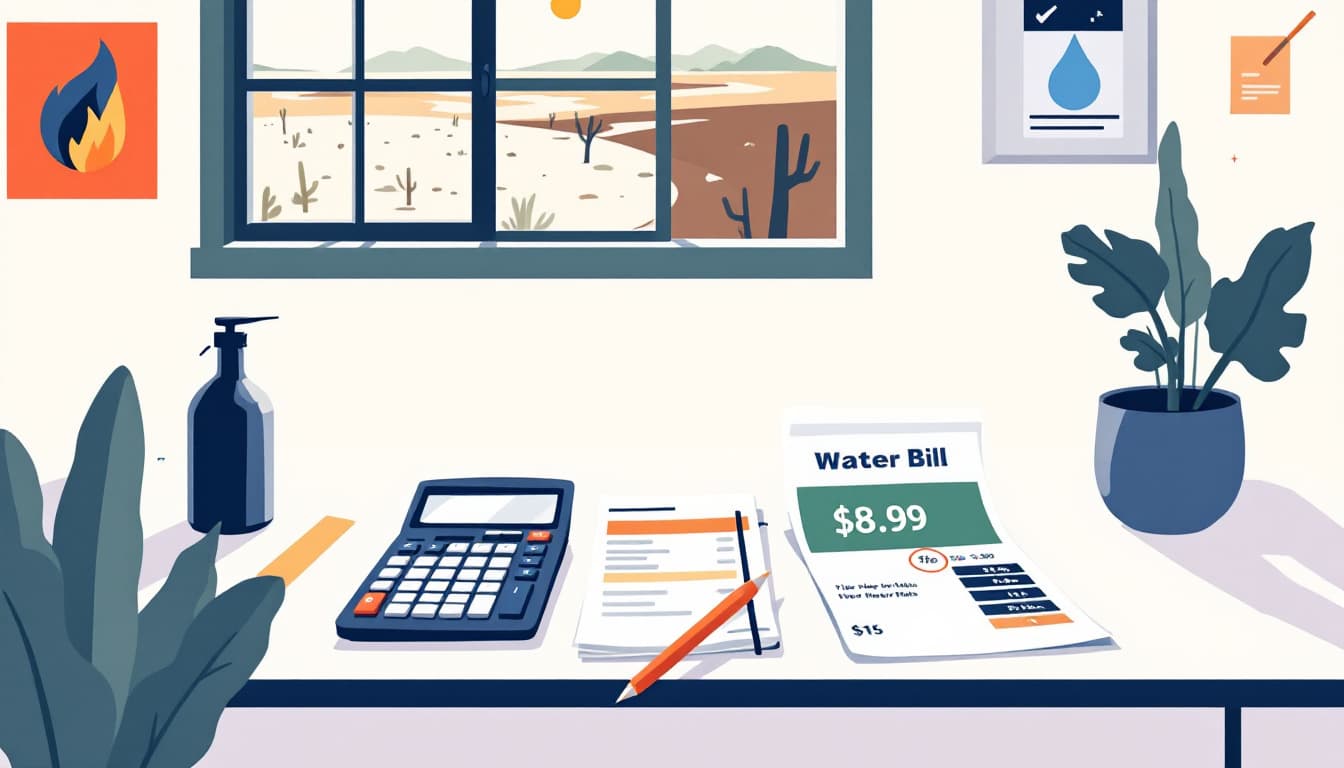
The preparedness angle here isn't "stockpile water before the taps run dry." The taps are almost certainly not running dry this summer. The real risk for most Colorado households is a utility bill that spikes 30-50% in July and August without warning, because outdoor irrigation pushed usage into the punitive tier.
What we'd actually do
Pull your water district's current rate schedule and find the tier thresholds. Most Colorado water utilities post rate schedules on their websites, often buried under a "rates and fees" or "billing" tab. You're looking for the number of gallons per billing cycle that separates standard-rate usage from drought-rate usage. Write that number on a sticky note and put it near the sprinkler controller. This takes 15 minutes and costs nothing.
Knowing the threshold lets you treat it like a budget line. If your household uses 8,000 gallons per cycle normally and the drought-tier kicks in at 10,000, you have a real number to manage against — not a vague instruction to "conserve."
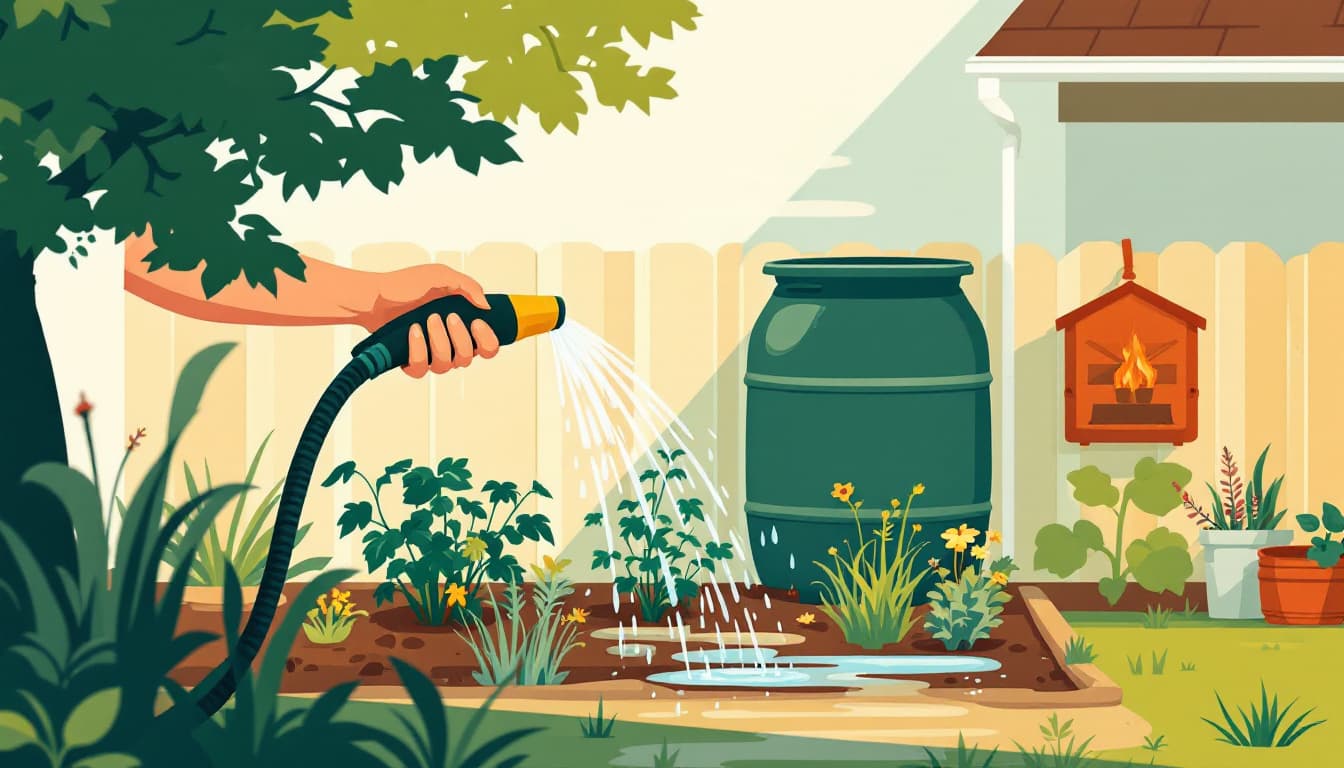
Audit your irrigation system before peak heat arrives. A single broken sprinkler head running 20 minutes a day can waste 200+ gallons per week without any visible sign from the street. Walk your system zone by zone, watch each head run, and look for puddling, misting, or spray hitting pavement. Fix or cap broken heads now, before June temperatures make the yard work miserable and before the punitive tier is already active.
Set your irrigation controller to run before 6 a.m. Evaporation loss from midday watering in Colorado's low-humidity climate is significant. Shifting run times to early morning — when temperatures are lowest and wind is usually calm — reduces the water needed to achieve the same soil moisture. Most modern controllers support this with a simple time adjustment.
Check whether your municipality has a rebate program for efficiency upgrades. Denver Water, Colorado Springs Utilities, and several Front Range suburban districts offer rebates for smart irrigation controllers, high-efficiency toilets, and xeriscape conversions. These programs are often funded year to year and can close with limited notice. A quick search for your utility's name plus "rebate" or "conservation program" takes five minutes. A smart controller that adjusts for weather costs $80-$150 retail; rebates in some districts cut that in half.
Keep a 14-day emergency water supply at home. This is separate from the billing question. FEMA's household guidance and the Colorado Office of Emergency Management both recommend a minimum of one gallon per person per day for drinking and sanitation. For a family of four, that's 56 gallons — about six standard stackable water containers. This covers disruptions from main breaks, wildfire-related shutoffs, or contamination events, all of which have happened in Colorado communities in the past decade.
The bigger picture
Clifton Water District's drought rates are administrative news. They are also a small, concrete proof that Colorado's water situation is tight enough to trigger formal rationing mechanisms in late May. That's worth paying attention to — not because catastrophe is coming, but because durable households are the ones that adjust before the bill arrives rather than after.
Water in the West is a managed resource with real constraints. Understanding how your utility manages those constraints is basic financial literacy at this point, not prepper esoterica.