A recent report from DVIDS notes that Colorado has escalated its formal Drought Response Plan, a move that signals state water managers are no longer in a watch-and-wait posture. When an official plan gets escalated — rather than simply monitored — it means pre-agreed conservation triggers are being pulled and agency coordination is shifting from advisory to active.
For most households, that news lands as background noise. It shouldn't.
What's actually changing
Colorado's water management operates under tiered response frameworks. Escalation doesn't mean the taps go dry next week. It means water providers across the state — from Denver Water to smaller municipal utilities along the Front Range and across the Western Slope — are now authorized, and in some cases required, to implement usage restrictions. Those restrictions vary by district, but they typically follow a predictable sequence: voluntary reduction requests, then odd-even outdoor watering schedules, then outdoor watering bans, then mandatory indoor reductions.
The Colorado River system, which supplies much of the state's western half, has been under sustained stress for several years running. The South Platte basin, which feeds much of the Denver metro area, faces its own snowpack and reservoir dynamics. These are not the same problem, and the response options available to your household depend heavily on which utility you're connected to and what tier they're currently enforcing.
What escalation also tends to do: raise prices. Tiered rate structures — where you pay more per gallon once you exceed a baseline — kick in harder during drought response periods. A household running sprinklers on a normal summer schedule may see a meaningfully higher bill starting this billing cycle, not because rates changed but because drought surcharges and tier thresholds shift.
There is also a longer-term signal here. Drought in Colorado is not a one-season event. The state has been in and out of severe or extreme drought conditions for most of the past decade, according to U.S. Drought Monitor data. Escalating the response plan in mid-summer, when snowpack data is already locked in, reflects conditions on the ground — not a forecast.
What we'd actually do
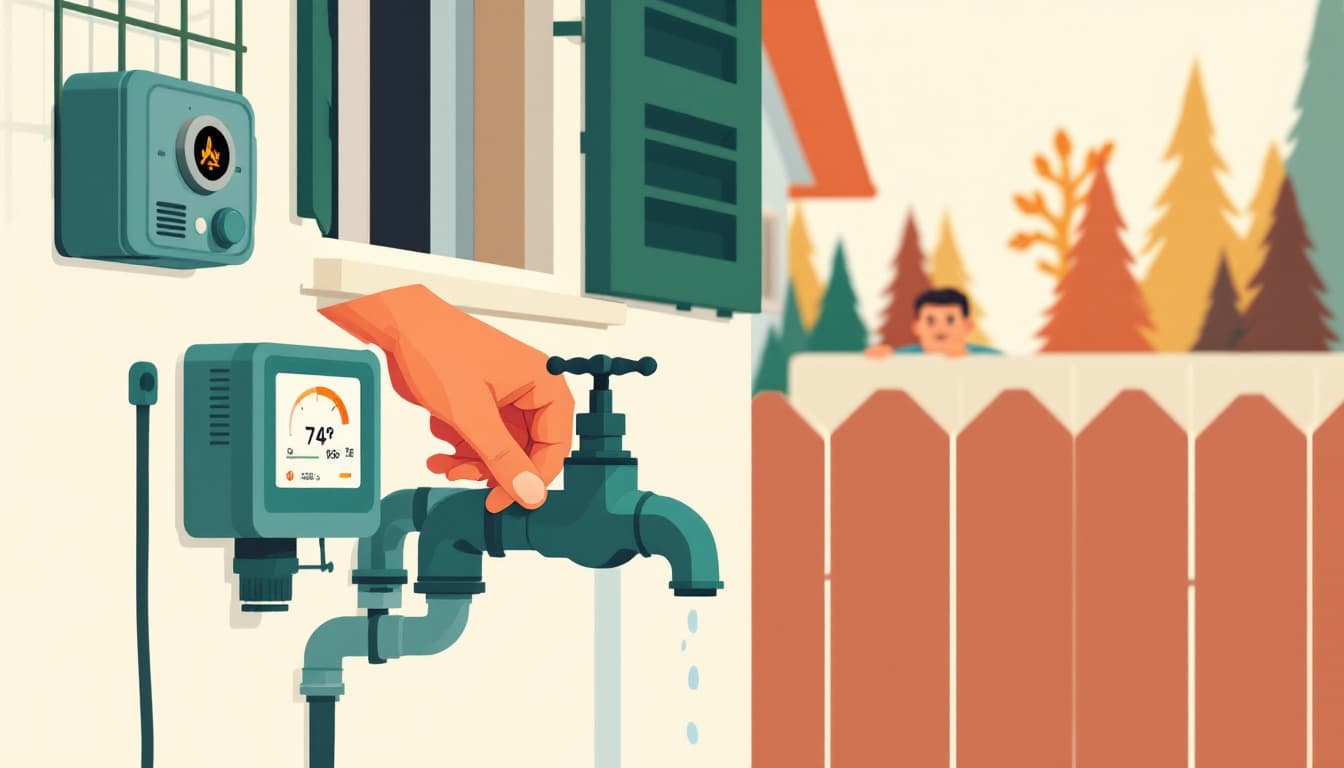
Find out exactly what tier your utility is operating at. Call your water provider or check their website this week. Denver Water, Colorado Springs Utilities, and most Front Range districts publish their current drought stage online. Knowing your tier tells you whether you face voluntary asks or enforceable restrictions — and what the fine schedule looks like if you violate them.
Many households assume they're in compliance until a notice arrives. The fines for watering violations during drought response can run $50–$150 per incident in some Colorado districts, and enforcement does happen. Knowing your tier also tells you how to adjust before you rack up a high bill.
Audit your outdoor watering system this week. Walk your irrigation zones at dawn and watch each head run. Broken heads, overspray onto pavement, and misting in wind are the three fastest ways to waste water — and to burn through your tier baseline. A single broken rotor can waste hundreds of gallons per cycle. Fixing a head costs under $10 at any hardware store.
If you have a smart irrigation controller, confirm it's pulling local ET (evapotranspiration) data for your zip code. Several Colorado utilities offer rebates on smart controllers right now specifically because they reduce consumption during drought periods.
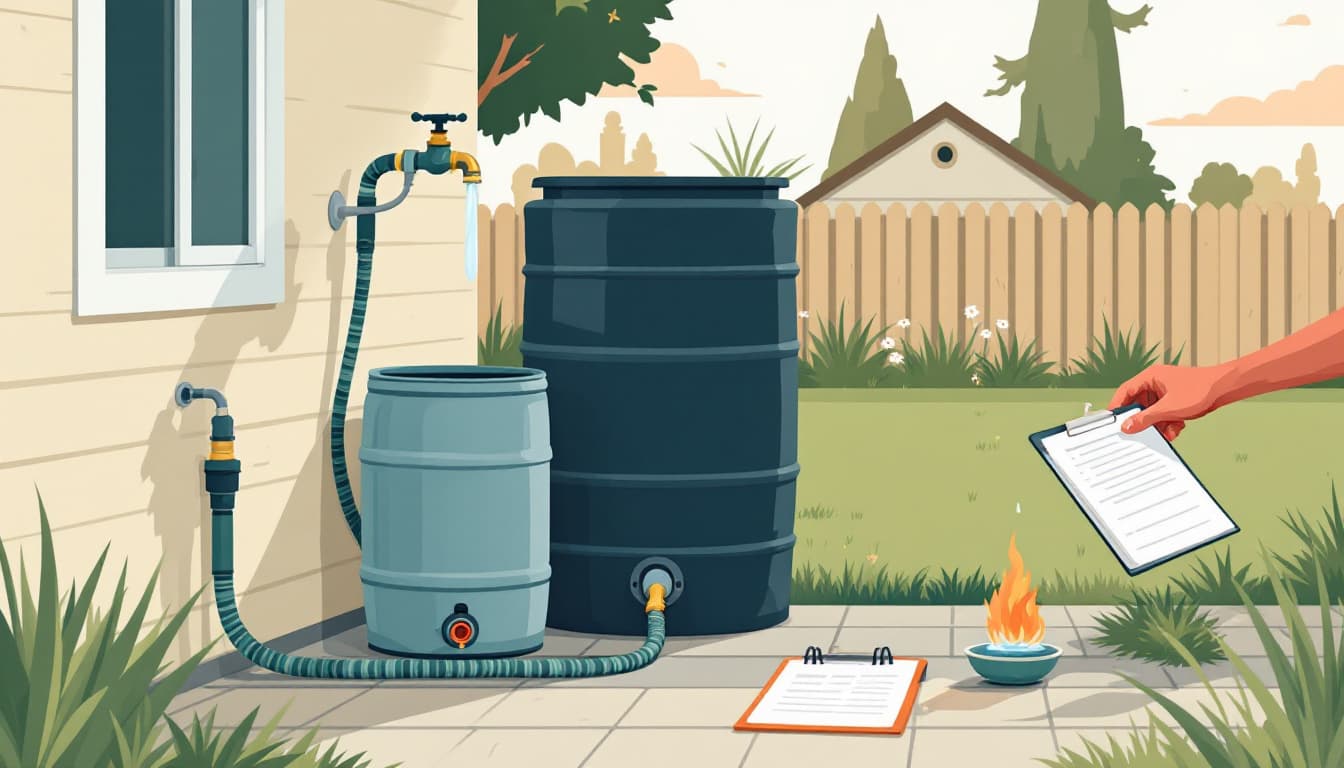
Build a modest household water reserve. Escalation means you should have at least a week's worth of drinking water on hand — roughly one gallon per person per day as a baseline. That's not doomsday prep; it's a buffer against the less dramatic disruptions that happen during drought response: pressure drops, boil advisories from system stress, or short-notice shutoffs for emergency infrastructure repairs. A case of 24 one-liter bottles per household member costs about $6–$8 and fits under a sink.
Shift your yard expectations now, not in August. If you have cool-season grass, it will go dormant under reduced watering. That's normal and recoverable. Established trees and shrubs are a different calculation — losing a 10-year-old tree to drought stress is a real cost. Deep-water your trees monthly rather than spraying turf shallowly every day. Most Colorado trees need water at the drip line, not at the trunk, and deep watering once a month during drought beats frequent shallow watering for root health.
Know your rights if your well is on private property. Rural Colorado households on private wells are not automatically covered by municipal drought response plans, but they are subject to Colorado's prior appropriation water law. If your area is under drought stress, neighboring senior water rights holders can and do call the state engineer's office. Know your well's priority date and understand that some junior rights are curtailed during shortage. Your county extension office — Colorado State University Extension has offices in most counties — can walk you through what that means for your specific situation at no cost.
The bigger picture
Drought response escalation is a mechanism, not a catastrophe. Colorado has managed water scarcity under law and policy for more than a century, and its systems — imperfect as they are — exist precisely because scarcity is normal here, not exceptional. The useful response is calibration: know your tier, fix your leaks, hold a small buffer, and make the yard decisions that reflect where you actually live.
The goal isn't to panic-prep for the apocalypse. It's to be the household that doesn't get a $200 fine in September and doesn't lose a tree in October because summer felt abstract in July.