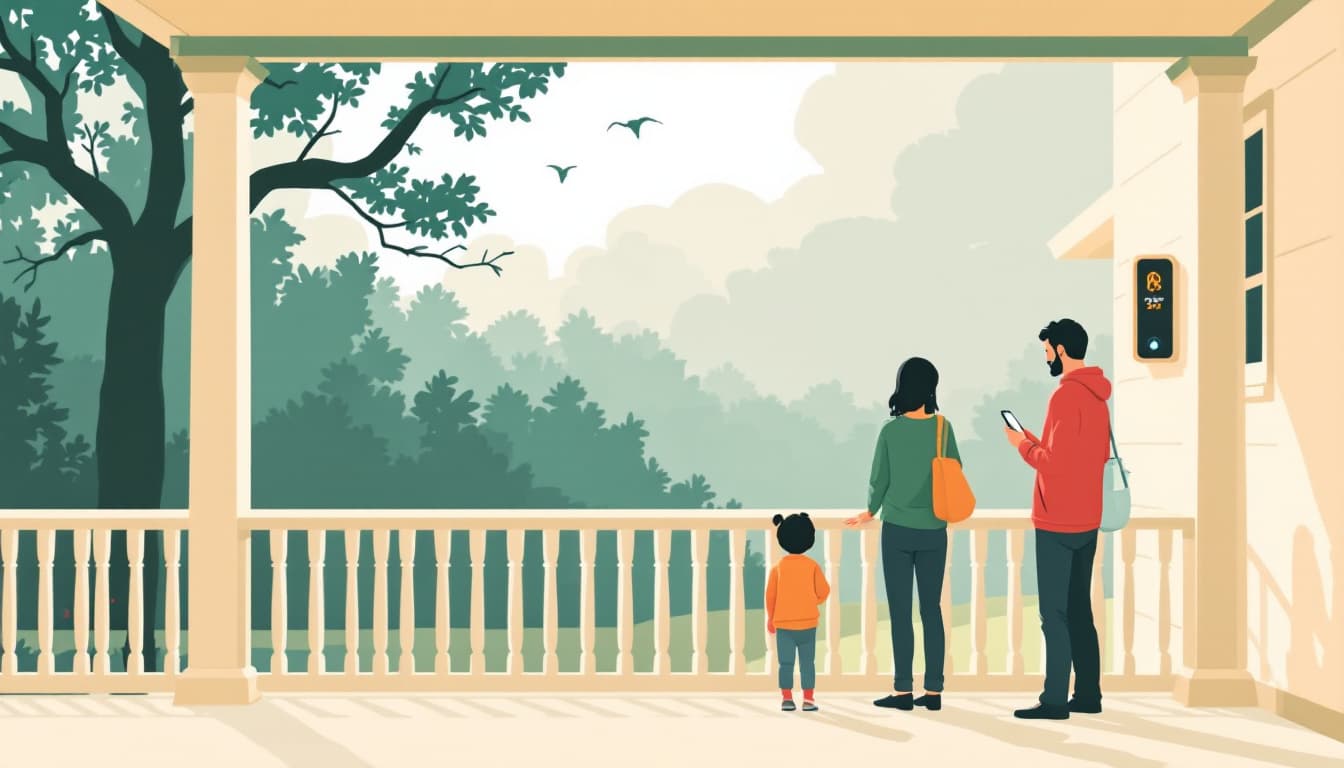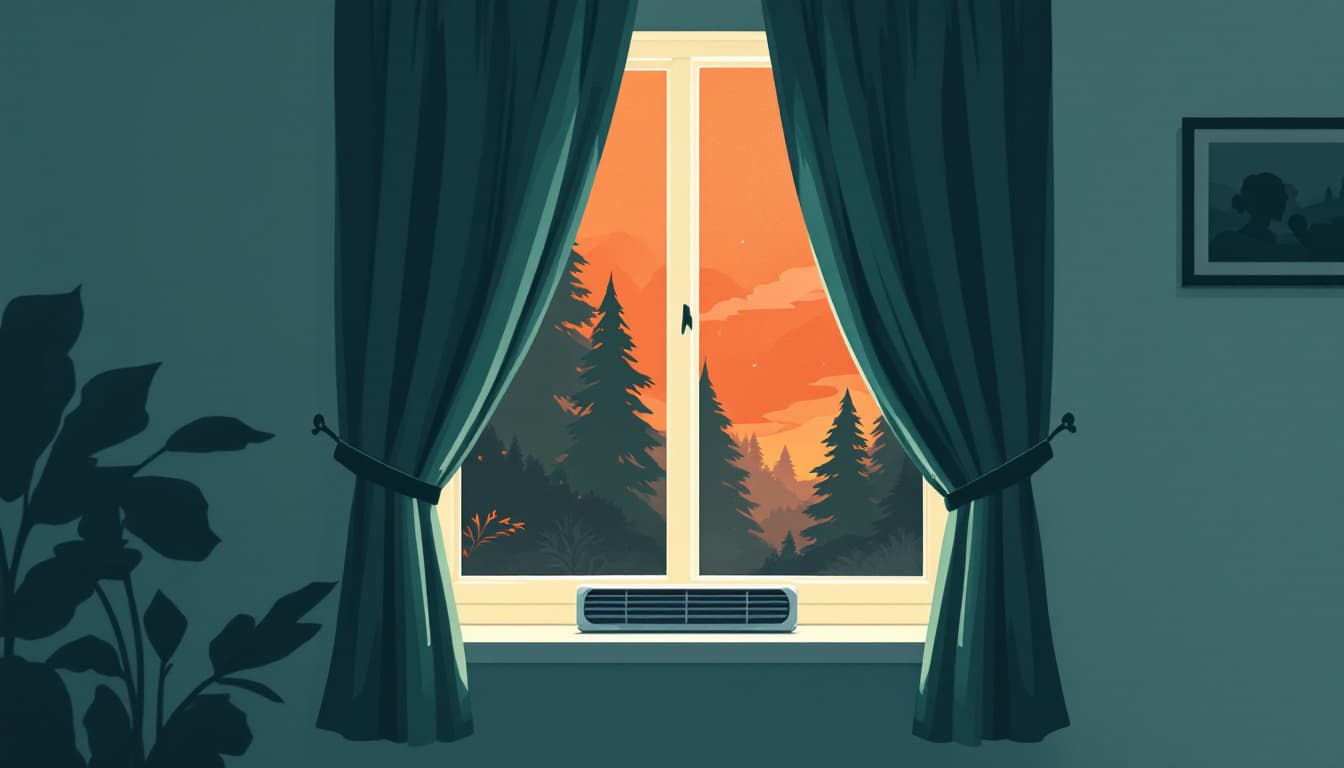
Somewhere over the northern plains this week, a column of smoke thick enough to register on satellite instruments is drifting south. Copernicus Atmosphere reported this month that extreme wildfires in Canada have pushed severe air pollution across large portions of the United States — the kind of event that turns afternoon skies amber and sends emergency alerts to millions of phones at once.
This is not a one-off. It is a pattern with a tempo: Canadian fire seasons have grown longer and more intense over the past decade, and the smoke reliably crosses the border. The question for a household is not whether this will happen again. The question is whether your home is ready to be a refuge when it does.
What's actually changing
The scale matters here. Copernicus monitors fire radiative power and aerosol optical depth — in plain terms, how much energy the fires are releasing and how much particulate matter is suspended in the air column. When those numbers are flagged as severe, the fine particles reaching U.S. cities are PM2.5: particles small enough to penetrate deep into the lungs and, over repeated exposures, to affect cardiovascular health.
Most households treat a smoke event like a rainstorm — stay inside, wait for it to pass. That logic is sound but incomplete. The problem is that most homes are not meaningfully sealed. A house at typical air exchange rates can approach outdoor air quality within a few hours of a smoke event, especially in older construction. Staying inside helps, but staying inside in a house with open windows, a leaky envelope, and no filtration barely helps at all.
The other gap: smoke events increasingly last not for hours but for days. The 2023 smoke event that blanketed the eastern seaboard ran for nearly a week in some areas. A family that planned to "just stay inside for the afternoon" was caught unprepared by day two.
What we'd actually do
Buy at least one HEPA air purifier sized for your main living area, and run it before you need it. A HEPA unit rated for the square footage of your living room costs between $80 and $200 from established brands. The critical mistake is buying it during a smoke event when retailers sell out. Buy it now, run it periodically so you know it works, and replace filters on the manufacturer's schedule. One unit in the room where your family spends the most time makes a measurable difference in indoor PM2.5 levels.
Stock N95 respirators and know where they are. N95s filter at least 95% of airborne particles when properly fitted. Surgical masks and cloth masks do not. Keep a small supply — one per household member, plus a few spares — stored with your other emergency supplies. Smoke events often require brief outdoor exposure (getting to a car, checking on a neighbor), and a mask worn for ten minutes beats no mask at all.
Close your home intelligently, not reflexively. During a smoke event, close windows and switch your HVAC system to recirculate mode rather than fresh-air intake. If your HVAC uses a standard fiberglass filter, replace it with a MERV-13 filter, which catches fine particles standard filters miss. This one change — a $20 to $30 filter swap — meaningfully improves what your existing system does during smoke days.
Identify where you would go if your home cannot be adequately filtered. Libraries, malls, and community centers with central HVAC often serve as informal clean-air refuges during prolonged events. Know which ones are closest before a smoke event starts. If anyone in your household has asthma, COPD, or cardiovascular disease, that plan is not optional — it is part of their health management.
Check AirNow.gov before checking your weather app on summer mornings. AirNow aggregates EPA monitoring data and displays a simple color-coded Air Quality Index for your zip code. During fire season, it is a more actionable morning check than weather alone. A purple or maroon AQI reading (above 200) warrants immediate behavioral changes; you should not need a phone alert to tell you that.
The bigger picture
Wildfire smoke is now a recurring infrastructure problem for North American households, not an episodic natural disaster. The families who handle it well are not the ones with the most gear — they are the ones who made three or four low-cost decisions before the smoke arrived. A HEPA purifier. A stock of N95s. A better HVAC filter. A reliable data source checked habitually.
Durability is built in the quiet weeks, not during the amber afternoons. The smoke will come back. The only question is whether your household is a refuge or just another leaky box when it does.