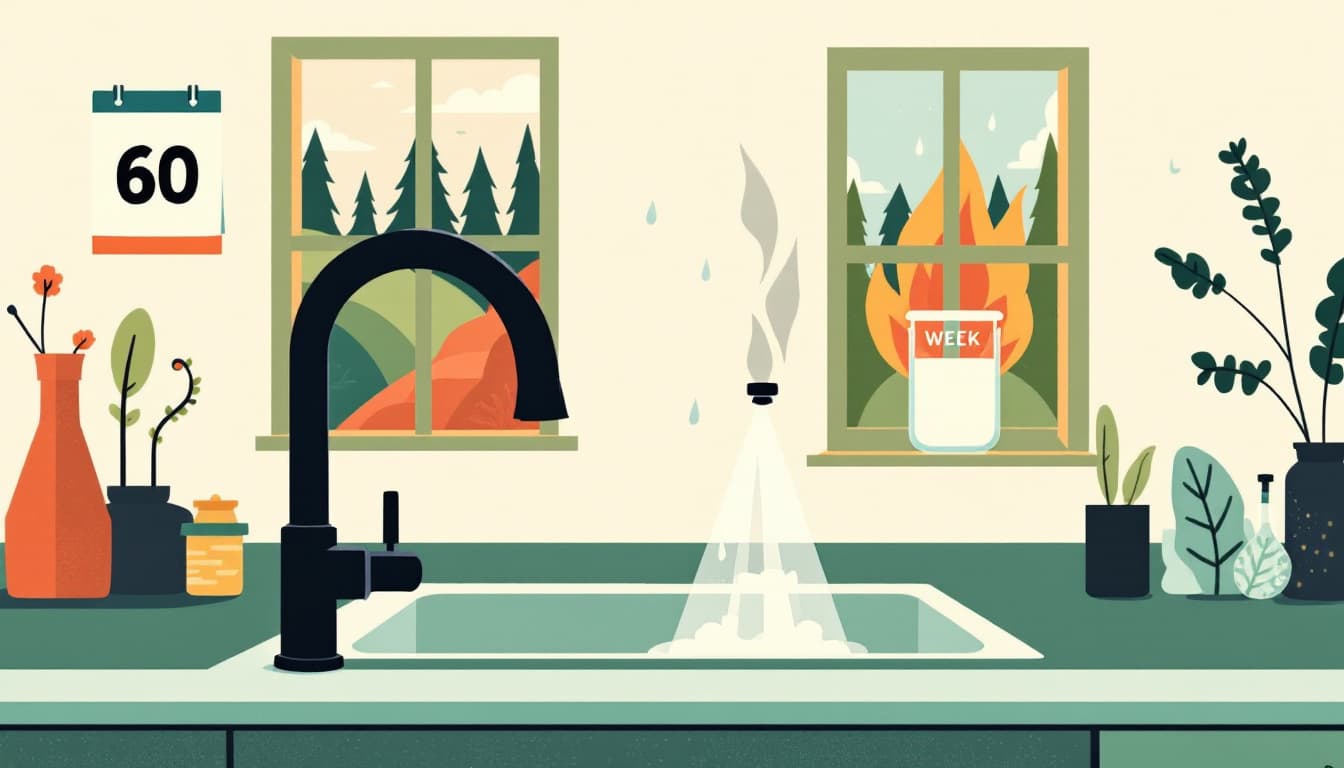
A week ago, 60% of California was classified as abnormally dry. As of July 28, according to a drought summary published by Sierra Sun Times, that figure sits at 65%. A five-point jump in seven days isn't a catastrophe headline. It's a directional signal worth taking seriously before the back half of summer arrives.
What's actually changing
"Abnormally dry" is the U.S. Drought Monitor's entry-level designation — below drought, above normal. But it's the trajectory that matters. When abnormal dryness expands that fast in late July, it tends to precede escalation into moderate drought (D1) conditions, particularly in the Central Valley and foothill counties where soil moisture is already depleted from a below-average snowpack season.
The Sierra Nevada snowpack is the engine behind roughly a third of California's urban water supply. When it comes in thin and melts early, reservoirs absorb the shortfall — until they can't. Several Northern California reservoirs that ended the spring above historical averages have been drawing down faster than seasonal norms this summer. The State Water Resources Control Board hasn't issued new mandatory conservation orders, but that situation is not static.
Southern California urban water agencies, many of which import from the Colorado River system, are operating under a separate set of constraints. The Colorado Basin's recovery from its 2021–2023 crisis is real but fragile. Back-to-back dry years upstream could reverse it.
For households, none of this means the taps go dry next month. It does mean that if you've let water preparedness slide, July 30 is a better time to address it than October, when restrictions — if they come — will already be in place.
What we'd actually do
Audit your stored water this week. FEMA's baseline is one gallon per person per day for three days. That's a floor, not a target. For a California household facing potential multi-day disruptions from heat, wildfire, or utility pressure drops, two weeks of water for drinking and cooking is a more honest buffer. If you have stored water from last year, check it. Commercially bottled water has a "best by" date that's really about container integrity, not contamination — but tap water stored in used plastic containers degrades faster than most people expect.
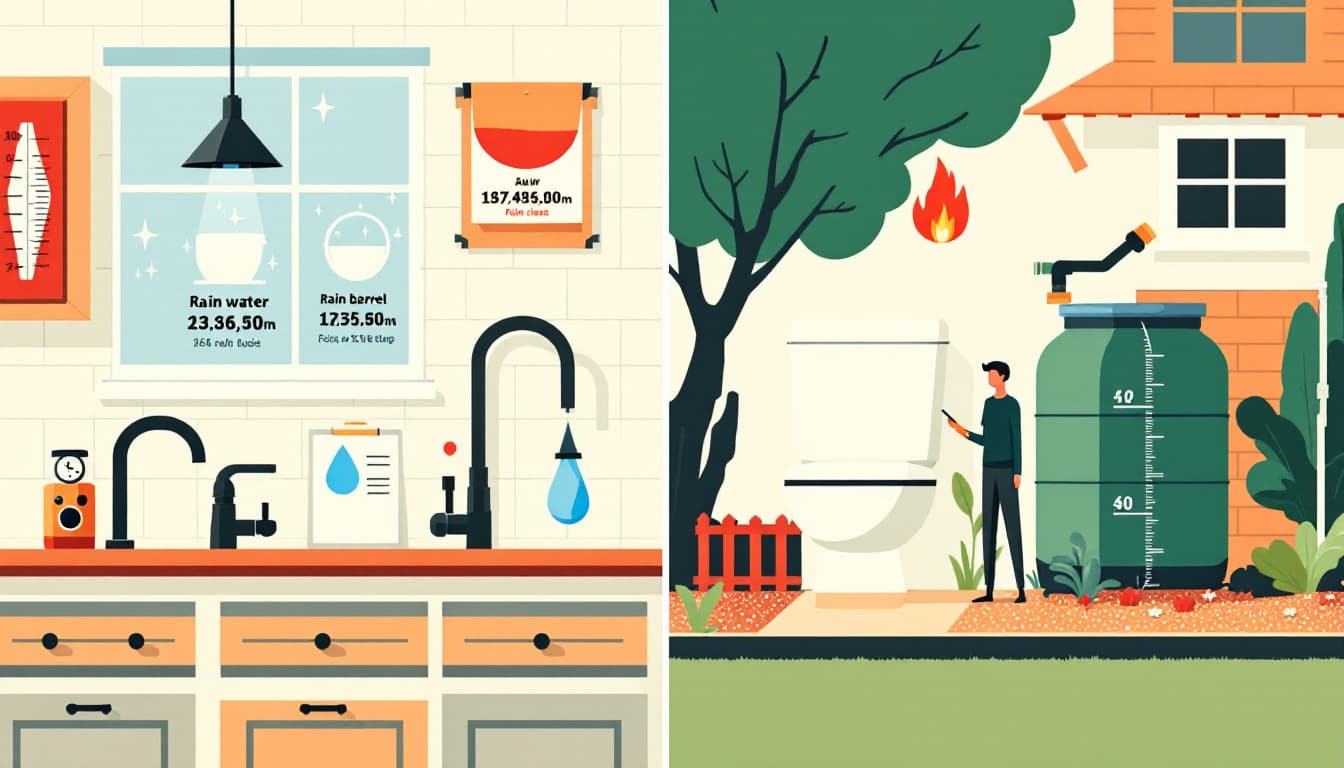
Call your water district and ask one question. Find out your district's current reservoir storage percentage relative to historical average for this date. Most California municipal water agencies post this publicly, but it takes three clicks to find. Knowing whether your district is at 78% or 48% of historical storage changes how urgently you should act. The Association of California Water Agencies maintains a member directory that can route you to the right contact.
Reduce landscape irrigation before you're told to. Turf accounts for roughly half of residential outdoor water use in California. Cutting one irrigation day per week now, in July, when penalties aren't attached, gives you actual data on how your lawn responds and positions you ahead of any mandated restrictions. Drought-tolerant landscaping remains a long-term project; cutting an irrigation cycle is something you can do Tuesday.
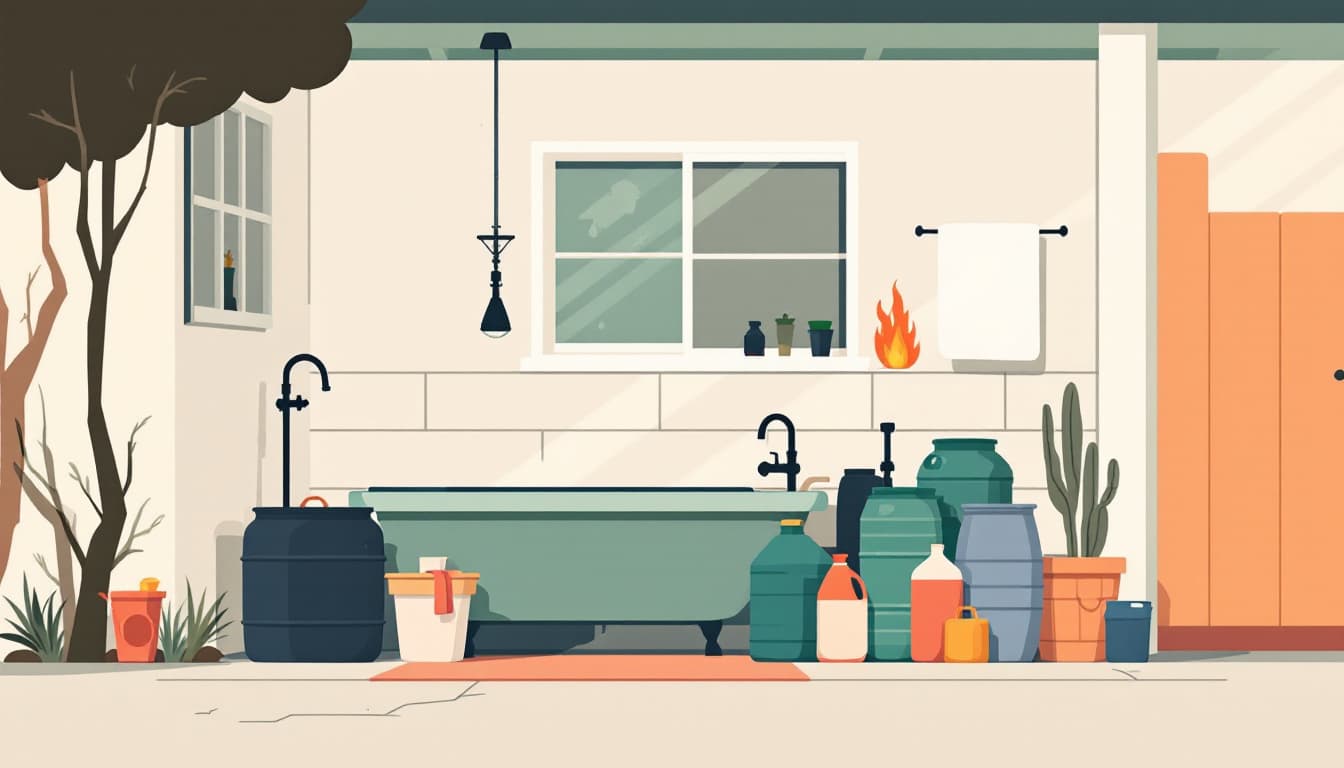
Inventory your household's wildfire-water intersection. Drought conditions raise fire risk, and California's fire season now runs essentially year-round in many counties. If you live in a Tier 2 or Tier 3 High Fire Hazard Severity Zone — you can look up your parcel on the CAL FIRE FHSZ viewer — water pressure drops are a documented issue when fire agencies are drawing heavily from local mains. A 55-gallon drum of stored water plus a hand pump won't extinguish a house fire, but it handles sanitation and drinking needs for several days if your household has to shelter or if pressure is compromised.
Fix any leaks before a rate-tier increase makes them expensive. California tiered water pricing means households that exceed their base allotment pay significantly more per unit. A running toilet wastes 200 gallons per day; a dripping faucet wastes around 3,000 gallons per month. At Tier 3 pricing in some Southern California districts, that's not just wasteful — it shows up as a $40–$80 line item. Fix it now, while you have time and bandwidth.
The bigger picture
A 5% weekly expansion in abnormal dryness doesn't mean California is heading into catastrophe. It means the state is doing what it does every few years: tightening. The households that handle these cycles without disruption are the ones who treat water as infrastructure to manage, not a utility that just works. Check your storage, know your district's numbers, and don't wait for a formal conservation order to start paying attention.