A Patch report this week flagged an air quality advisory across the Bay Area tied to wildfire smoke. The advisory is routine enough that most households will ignore it. That is the problem.
California's fire season no longer has clean edges. Smoke from fires burning in the Sierra Nevada, the Cascades, or even Oregon drops into Bay Area valleys with almost no warning, and AQI readings can jump from "Good" to "Very Unhealthy" inside a few hours. The Bay Area Air Quality Management District publishes these advisories on its website and through its Spare the Air alerts. Most families check those alerts after they already have a headache.
What's actually changing
The smoke-event calendar is compressing. Northern California households that once expected a few bad weeks in October are now managing exposures from June through November. The particulate matter in wildfire smoke — specifically PM2.5, the sub-2.5-micron fraction that bypasses your nose and throat and lodges in lung tissue — is the actual hazard. A red-flag advisory means concentrations are high enough to cause measurable harm to healthy adults over several hours of outdoor exposure, not just to the elderly and children.
The second thing changing: more people are working from home in the Bay Area than before the pandemic, which sounds like an advantage until you realize that most California homes have no meaningful air filtration. You are spending more hours inside a building you probably assume is safe. It may not be.
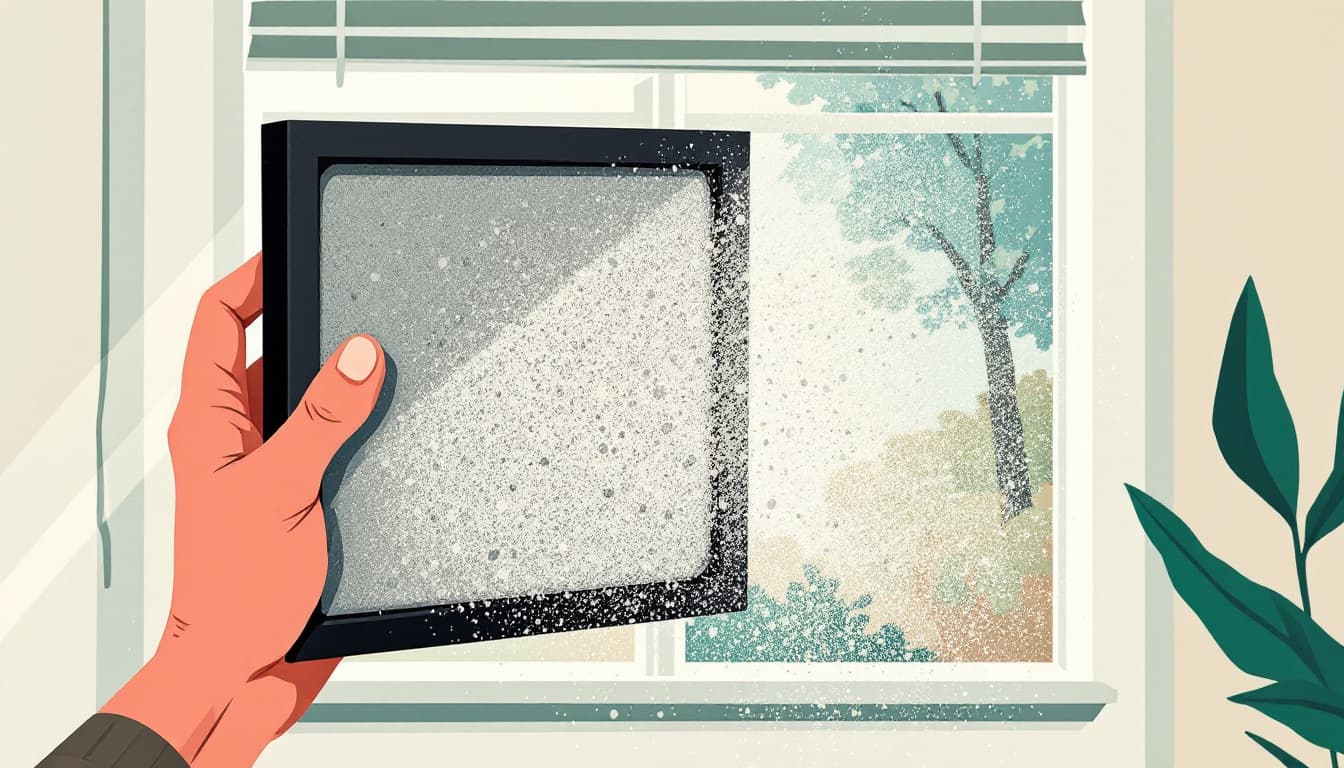
Central HVAC systems in California homes commonly ship with MERV-8 filters — adequate for dust, inadequate for PM2.5. The California Air Resources Board recommends MERV-13 or higher for smoke events. A MERV-8 filter and a MERV-13 filter look identical in the store. The box number is the only difference, and it matters enormously when smoke is outside.
What we'd actually do
Check your current HVAC filter rating this week, before the next advisory. Pull the filter out and read the MERV number printed on the cardboard frame. If it's below MERV-13, replace it now. A MERV-13 filter for a standard residential system costs between $15 and $30 at most hardware stores. The catch: MERV-13 filters restrict airflow more than MERV-8, so check your HVAC system's documentation or call the manufacturer to confirm your blower can handle the increased static pressure. Most systems made in the last decade can.
Buy one or two portable air purifiers rated for the square footage of your most-used rooms. A purifier with a true HEPA filter will capture PM2.5. Size matters — a unit rated for 200 square feet in a 600-square-foot open-plan living area does almost nothing. California households should prioritize the bedroom, where you spend seven to nine hours with your face near a pillow, and the room where kids do homework. Units from established brands with HEPA certification run $80 to $200 for most residential room sizes. This is a one-time purchase with a filter replacement cost of $20 to $40 annually.
Download the AirNow app and set an alert for your ZIP code at AQI 100. The Environmental Protection Agency's AirNow platform pulls from monitoring stations across California including the Bay Area network and is generally 30 to 60 minutes ahead of news reports. AQI 100 is the point at which sensitive groups are affected — it's the right trigger for tightening up your home, not AQI 150, when you're already breathing bad air.
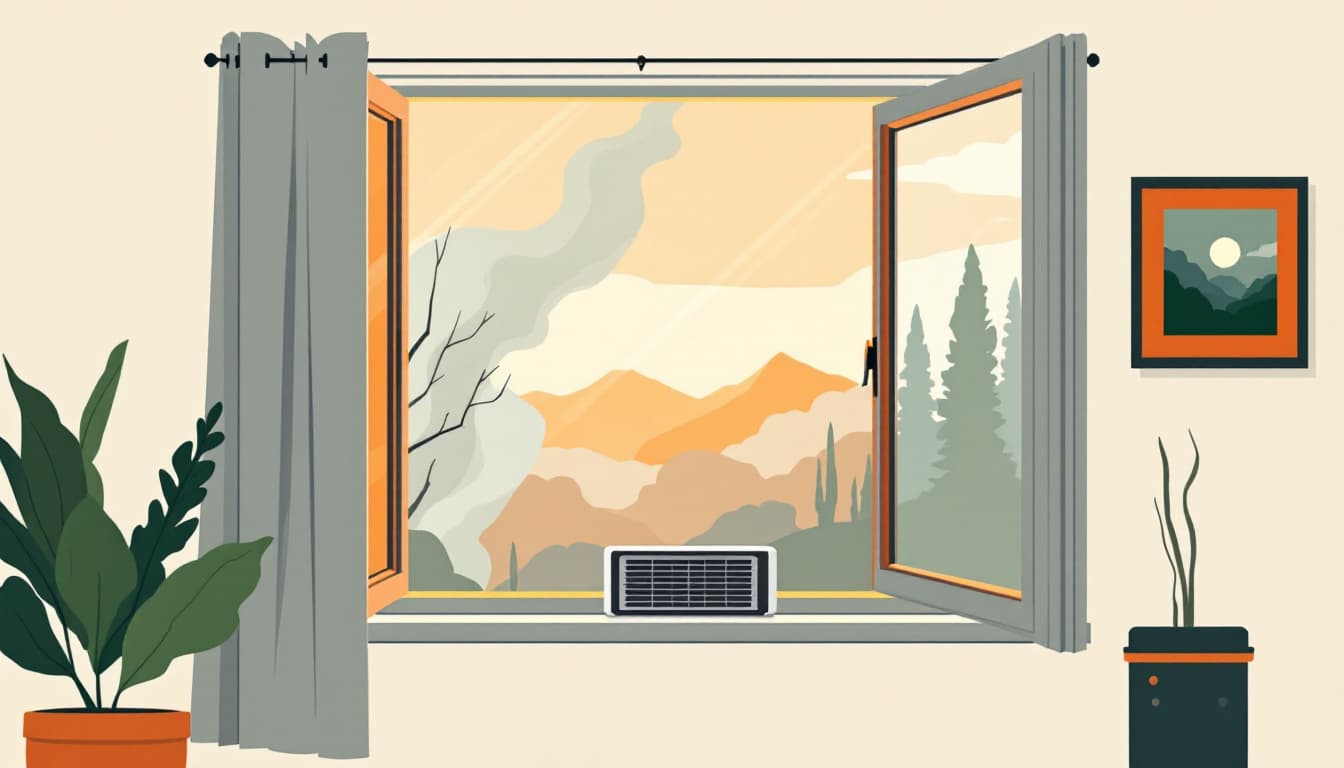
Seal the obvious gaps before smoke arrives, not during. During a smoke event, opening doors and windows to "let in fresh air" is the opposite of what the air quality data supports. Walk your home now and identify the gaps under exterior doors and around window air conditioner units. Foam weatherstripping for door bottoms costs under $10 per door. If you have a window AC unit, remove it during smoke events or seal around it with tape and foam — window units set to "fan only" draw outside air directly into the room.
Keep N95 masks on hand for unavoidable outdoor exposure. The Bay Area Advisory, like the ones before it, does not mean you are trapped indoors. It means unprotected outdoor exertion — running, cycling, yard work — carries real risk. A properly fitted N95 respirator (not a cloth mask, not a surgical mask) filters PM2.5 effectively. A box of ten costs less than $15 and lasts years if stored correctly.
The bigger picture
California households do not need to become obsessed with air quality to protect themselves from wildfire smoke. They need one good filter, one app, and a plan they made when the sky was still blue. The goal is not to build a bunker against smoke season. It is to remain functional — and healthy — through the six months a year when the Bay Area air can turn without warning.
Durability is boring. Buy the MERV-13 filter. Set the alert. Move on.