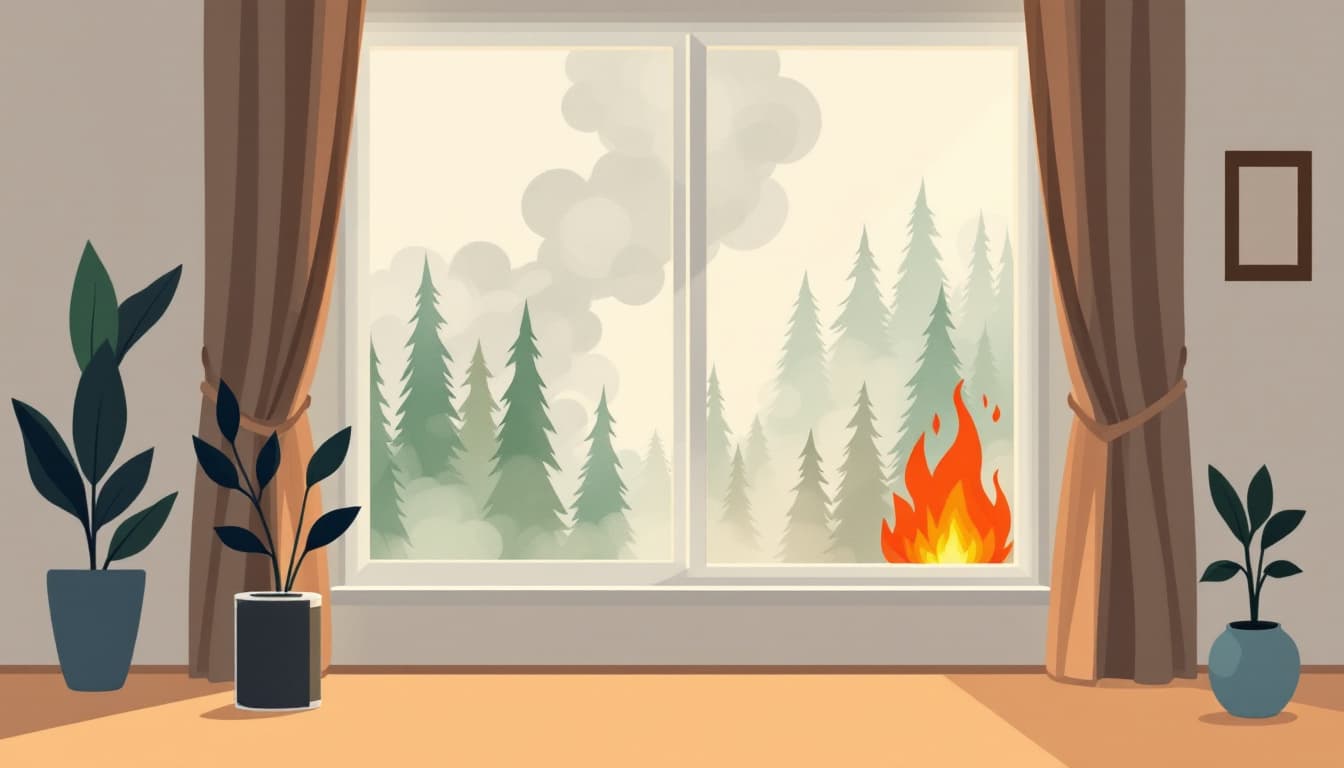
A report this week from ABC15 Arizona documented air quality alerts across the state driven by a combination of ground-level ozone and drifting wildfire smoke. Arizona is California's eastern neighbor, and the two states share weather systems, wind patterns, and — when fires burn across the Mojave, the Sierras, or the desert borderlands — the same smoke.
California's own fire season is already underway. The question for households right now is not whether smoke will reach your neighborhood, but whether you have anything useful in place when it does.
What's actually happening
Wildfire smoke does not respect state lines. When a fire burns in eastern California, Nevada, or Arizona, the particulate load — the fine particles measured as PM2.5 — can drift hundreds of miles in 24 to 48 hours. The San Joaquin Valley, the Inland Empire, and the Sacramento Basin are all geographic bowls that trap smoke and hold it for days. The South Coast Air Quality Management District (SCAQMD) and the Sacramento Metropolitan Air Quality Management District (SMAQMD) issue Purple Air and AQI advisories that can jump from "Moderate" to "Very Unhealthy" within a single afternoon when smoke columns shift.
What makes this summer's pattern notable is the combination of smoke and ozone. Heat accelerates ozone formation from vehicle and industrial emissions. When ozone and smoke overlap — as ABC15 documented happening to Arizona this week — the respiratory burden compounds. Children, older adults, and anyone with asthma, COPD, or cardiovascular conditions face the highest risk, but healthy adults doing outdoor work in persistent smoke can accumulate meaningful exposure over days.
The California Air Resources Board (CARB) publishes real-time AQI data by county. Most households check it once or twice a season. The families who do better in smoke events check it every morning from June through October.
What we'd actually do
Set up a daily AQI check that takes thirty seconds. Bookmark airnow.gov or the CARB air quality map for your county and look at it before you plan outdoor activity. This is not a habit that requires effort once it is built. If the AQI for PM2.5 is above 100 (Orange), people sensitive to smoke should limit time outside. Above 150 (Red), everyone should.
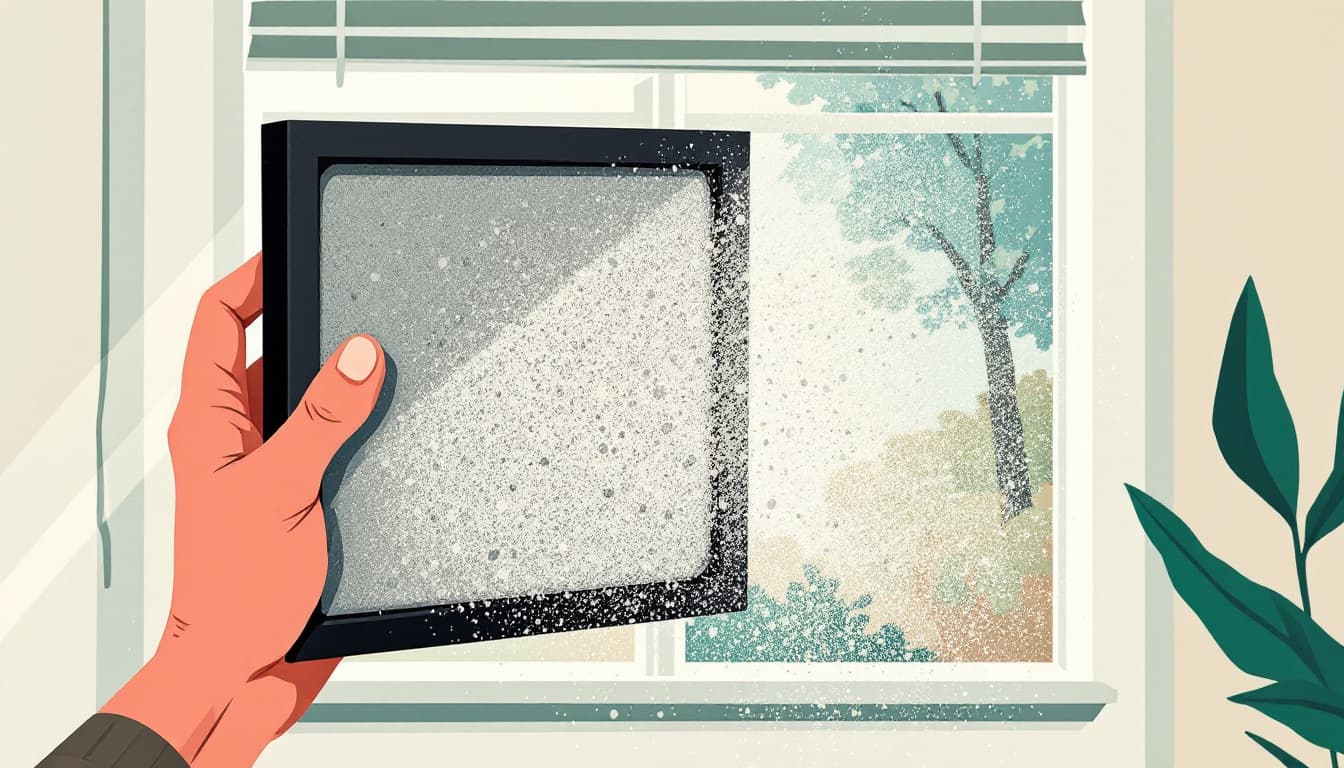
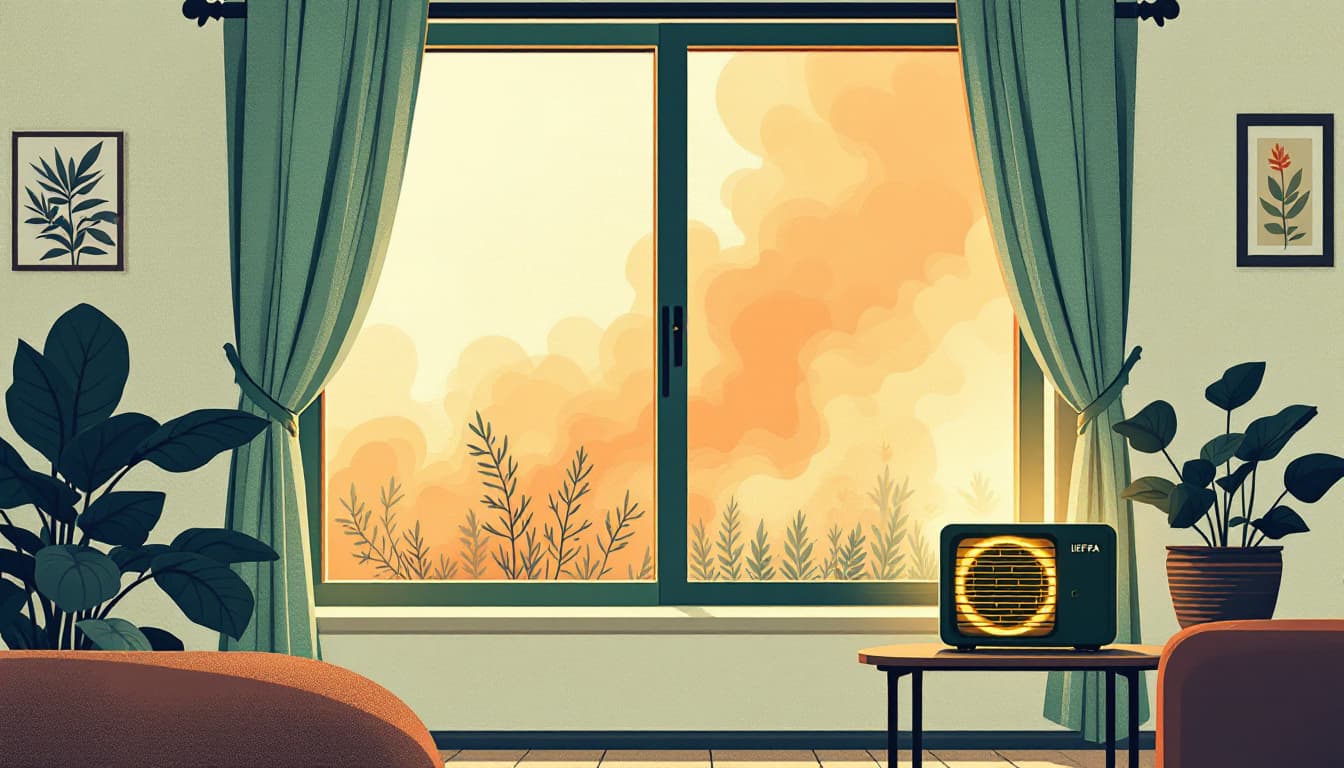
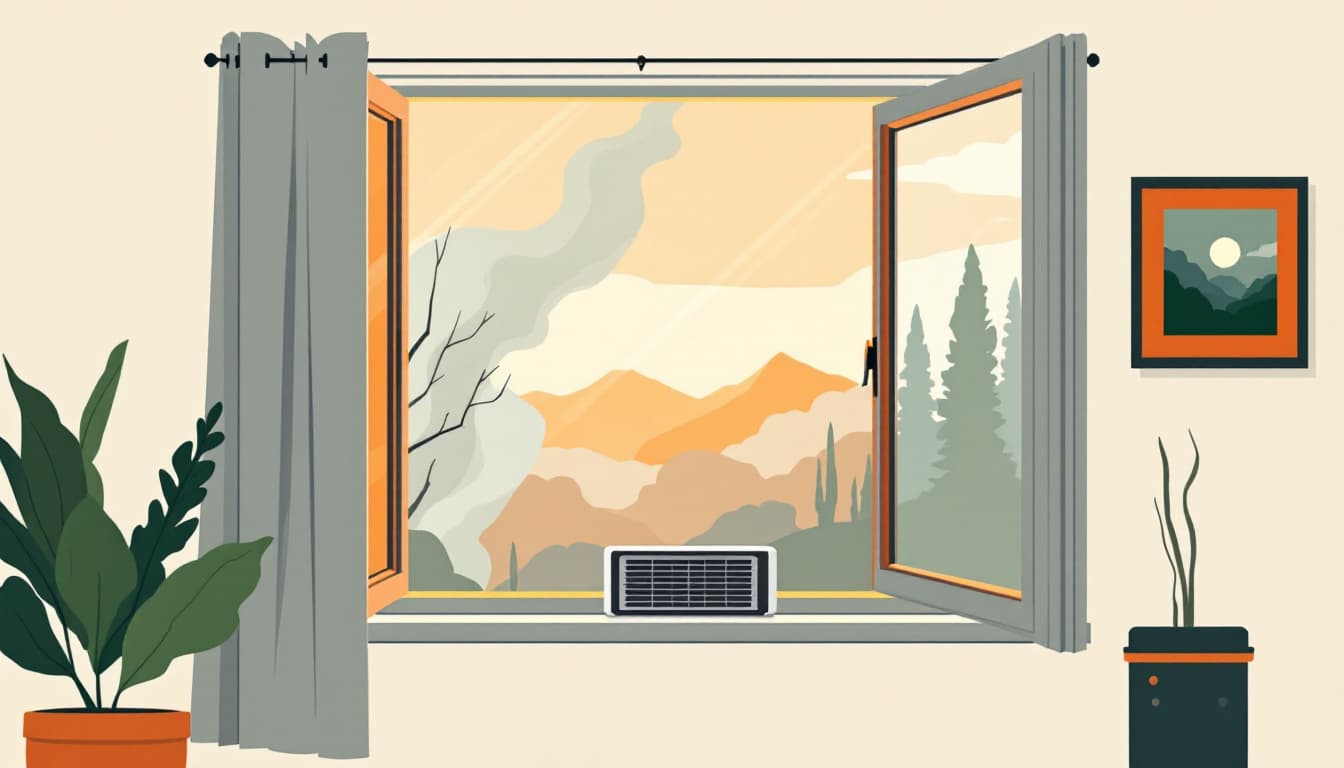
Build a "smoke room" in your home now, before you need it. Smoke intrudes fastest through gaps around doors, windows, and HVAC intakes. Pick one room — ideally interior-facing with fewer windows — and keep a box of painter's tape or foam weatherstripping on hand. A box fan fitted with a MERV-13 furnace filter on the intake side can reduce indoor PM2.5 significantly. A 20x20 filter and a box fan cost roughly $30 combined. This is the most cost-effective air quality intervention a household can make.
Know whether your HVAC system helps or hurts. If your air handler is set to "On" rather than "Auto," it continuously recirculates air — and if your filter is a thin fiberglass 1-inch filter, it is not catching PM2.5. Upgrade to a MERV-13 filter (check that your system's fan can handle the resistance first) and set the fan to "Auto" during smoke events so outdoor air intake is minimized. If your system has a fresh-air intake damper, close it manually.
Stock N95 masks for outdoor use. Cloth masks and surgical masks do not filter PM2.5 meaningfully. N95s do. A box of ten costs under $20 at most hardware stores. If you are gardening, running, or commuting by bicycle during a smoke event, wearing one matters. This is the same mask guidance CalFire's public health partners issued during the 2021 Dixie Fire and the 2020 fire season.
Know your most vulnerable household members' action plan. If someone in your home uses a rescue inhaler, confirm the prescription is current before fire season peaks. Talk to their doctor now about a smoke-specific action plan — most pulmonologists in California have a standard one they can provide in a single call.
The bigger picture
California households have lived with fire smoke long enough that many have become quietly fatalistic about it. That fatalism is understandable but not quite warranted. The gap between a prepared home and an unprepared one during a week-long smoke event is real: it shows up in sick days, ER visits, and productivity. None of the steps above require a significant investment or a belief that civilization is collapsing. They require treating summer air quality the same way you treat summer heat — as a manageable seasonal condition with known mitigation strategies.
The goal is durability. Not bunkers. Not panic. Just a household that handles what July in California actually brings.