A KARK forecast this week moved Arkansas from a Heat Advisory to an Extreme Heat Warning — a step up that the National Weather Service reserves for conditions where heat index values are expected to hit 105°F or higher, sustained long enough to constitute a genuine health emergency. That threshold matters. An advisory says be careful. A warning says people will get hurt if they don't act.
Most households are not ready for the difference.
What actually changes when the tier goes up
Heat advisories have been routine enough in the mid-South that many families scroll past them. Warnings are rarer and operationally different: local emergency management agencies activate cooling centers, utilities prepare for demand spikes that can trigger rolling load reductions, and hospitals begin tracking heat-related admissions in real time.
The compounding problem is that warnings tend to arrive during multi-day events. A single 108°F afternoon is survivable for most people with air conditioning. Four or five consecutive nights where the low stays above 80°F is a different threat — that's when buildings never cool down, when window units stop keeping pace, and when vulnerable people (elderly relatives, infants, anyone on diuretics or beta-blockers) face genuine danger even indoors.
The grid risk is real and underappreciated. Extreme heat events are one of the few scenarios where residential electricity demand, commercial demand, and industrial demand all peak simultaneously. Recent summers have produced brief rolling outages across several southern states. Your cooling plan that depends entirely on uninterrupted utility power is not a plan — it's an assumption.
What we'd actually do
Map every person in your household or immediate network who cannot self-regulate in heat. This is the first step because it determines urgency. Infants, adults over 65, anyone on medications that impair sweating or increase fluid loss — those people need a defined fallback location (a friend's home, a library, a designated cooling center) before the warning period begins, not during it.
The body's ability to compensate for extreme heat degrades quickly, and medications including common blood pressure drugs and antihistamines can accelerate that. Knowing who in your orbit is at elevated risk means you are making a phone call on day one of a warning, not day three.
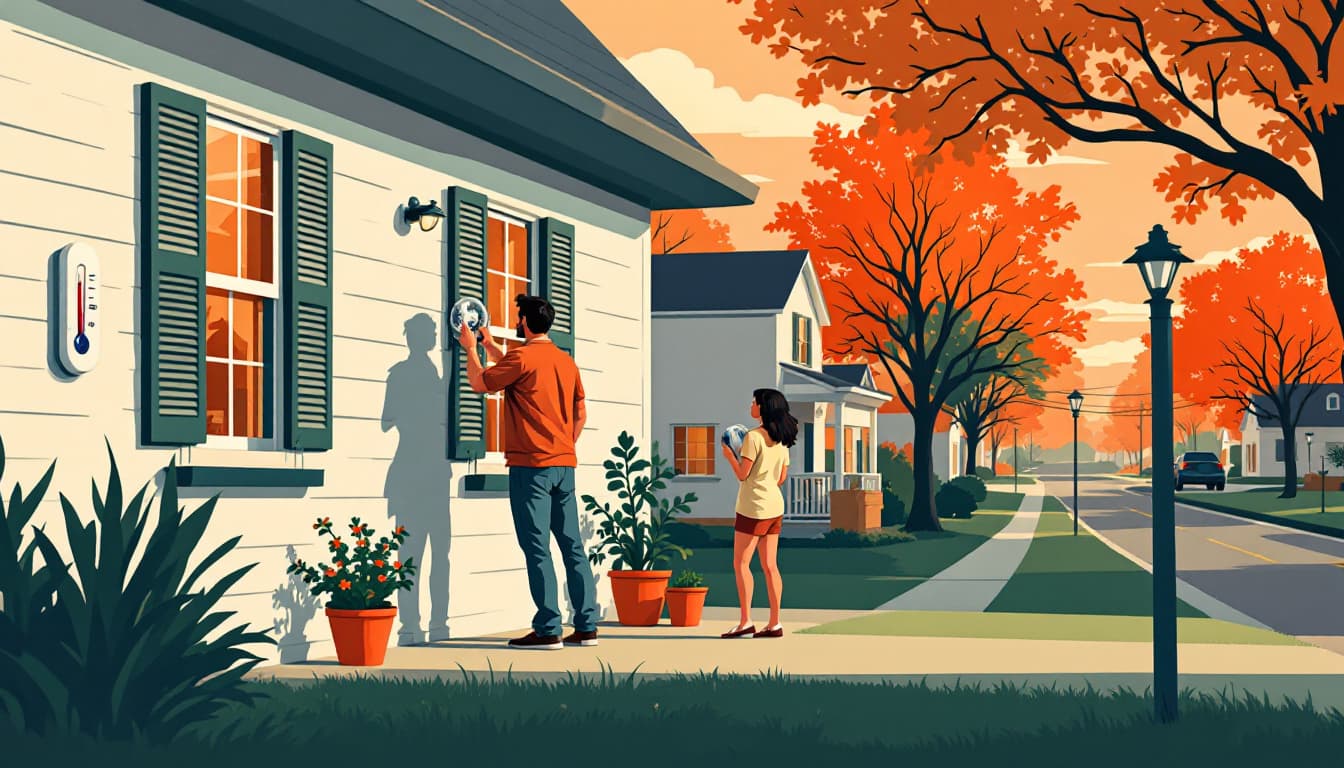
Audit your window unit or central system before the next warning, not after. A clogged filter on a window AC can cut cooling output by 20-30%. Cleaning or replacing filters takes ten minutes. Check that your thermostat is set to recirculate rather than pull in outdoor air, and if you have a programmable thermostat, pre-cool the house during off-peak hours (typically before 4 p.m.) when grid strain is lower. This is not exotic advice — it is the standard guidance from utility demand-response programs — but most households skip it until the unit stops keeping up.
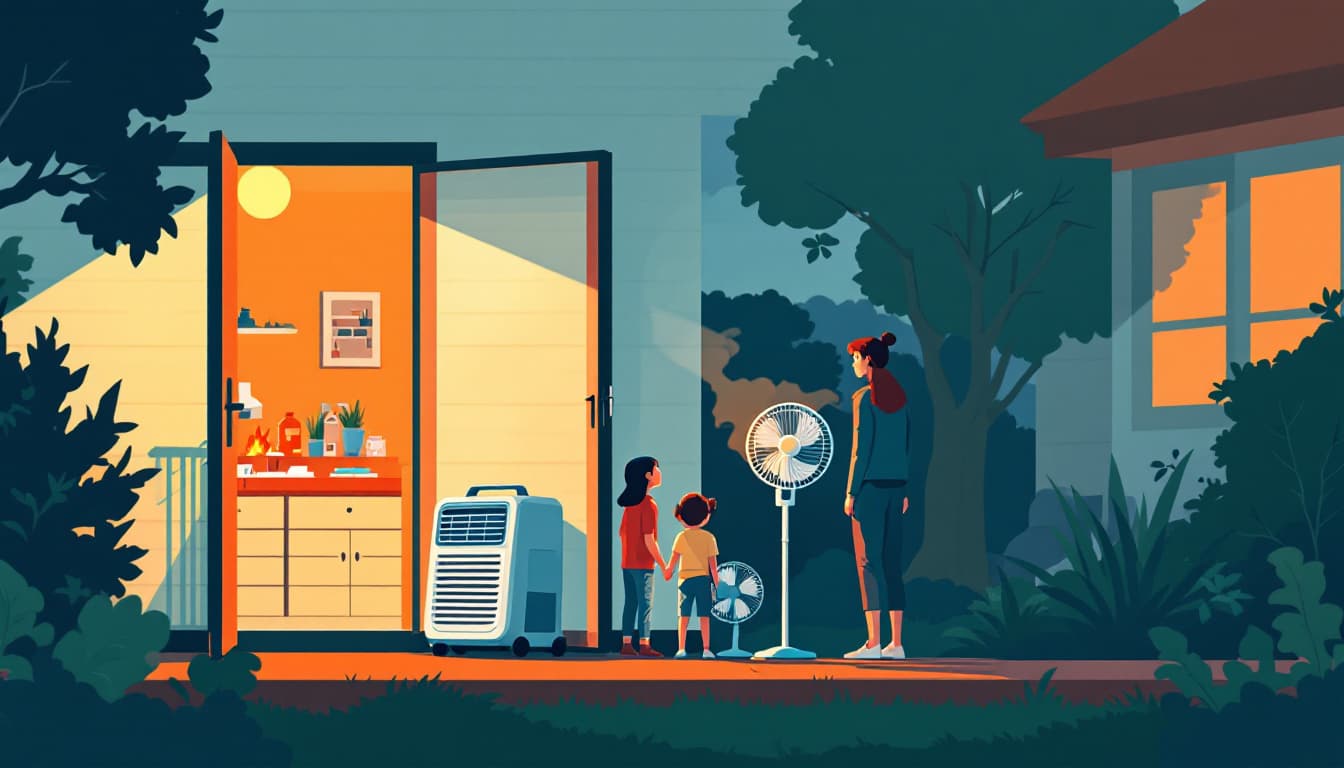
Establish a single room you can actually cool. Central air in a large house may struggle to hold 78°F when the outdoor temperature is 106°F. Pick the smallest, best-insulated interior room and concentrate your cooling there. Block windows with blackout curtains or reflective film. A single supplemental window unit in that room costs less than an ER visit. This is the principle behind the "safe room" concept applied to heat: one space you can guarantee stays livable.
Keep a 72-hour water buffer and think about it differently than you normally would. Most prepper water guidance is about outages or contamination. In extreme heat, the math changes: a physically active adult in 100°F+ heat can need three to four times their baseline water intake. A family of four can move through 20+ gallons in three days of heavy sweating. Your normal stored water may be adequate for a power outage but insufficient for a heat emergency where everyone is drinking constantly.
Know your utility's load-reduction notification system. Most major utilities have opt-in text or email alerts for demand-response events and planned load reductions. Signing up takes five minutes. Knowing 30 minutes in advance that your grid segment may shed load lets you pre-cool, charge devices, and move vulnerable people before conditions deteriorate.
The bigger picture
Extreme heat is the deadliest weather phenomenon in the United States in most years — more fatalities annually than hurricanes, floods, and tornadoes combined, according to National Weather Service historical data. It kills quietly, indoors, and disproportionately in households that assumed their existing setup was good enough.
Arkansas's upgrade this week is not a signal to panic. It is a signal to stop treating heat as background inconvenience and start treating it as infrastructure stress — on your home, your body, and your local grid. The families who do well in these events are not the ones with the most gear. They are the ones who thought through the failure modes in advance.
Durability is built in the calm before the warning, not during it.