On a late July afternoon in western Tennessee, the National Weather Service office in Memphis issued an Extreme Heat Warning — not a watch, not an advisory, but a warning — through 8 p.m. Tuesday, according to a report from tippahnews.com. That's the highest tier NWS issues for heat. It means heat index values are expected to reach a threshold where exposure becomes dangerous to healthy adults, not just the elderly or medically vulnerable.
Tennessee households should read that escalation as a calibration signal, not just a news item to scroll past.
What an Extreme Heat Warning actually means at the household level
NWS heat warnings are relatively rare. When Memphis issues one, it typically covers the Mississippi Delta corridor and can extend into West Tennessee counties — Shelby, Fayette, Tipton, and their neighbors. The Mid-Cumberland and East Tennessee regions run hotter than their elevation might suggest because of urban heat retention in Nashville and Knoxville. The whole state has heat exposure problems.
The physiological risk is more compressed than most families account for. Heat stroke — not heat exhaustion, but the organ-threatening kind — can develop in a healthy adult within two to four hours of sustained exposure without hydration or cooling. Children, anyone over 65, people on diuretics or beta-blockers, and anyone doing outdoor labor hit that threshold faster.
The second risk is infrastructure. Tennessee's electrical grid is managed through TVA and a network of municipal and cooperative utilities. During sustained heat events, grid stress spikes in the late afternoon hours, roughly 4–8 p.m., when commercial and residential demand converge. Rolling browndowns aren't routine, but they're not theoretical either. A power interruption during an Extreme Heat Warning isn't just an inconvenience — it converts a cooled home into a dangerous one within about 90 minutes for a typical stick-built house.
What we'd actually do
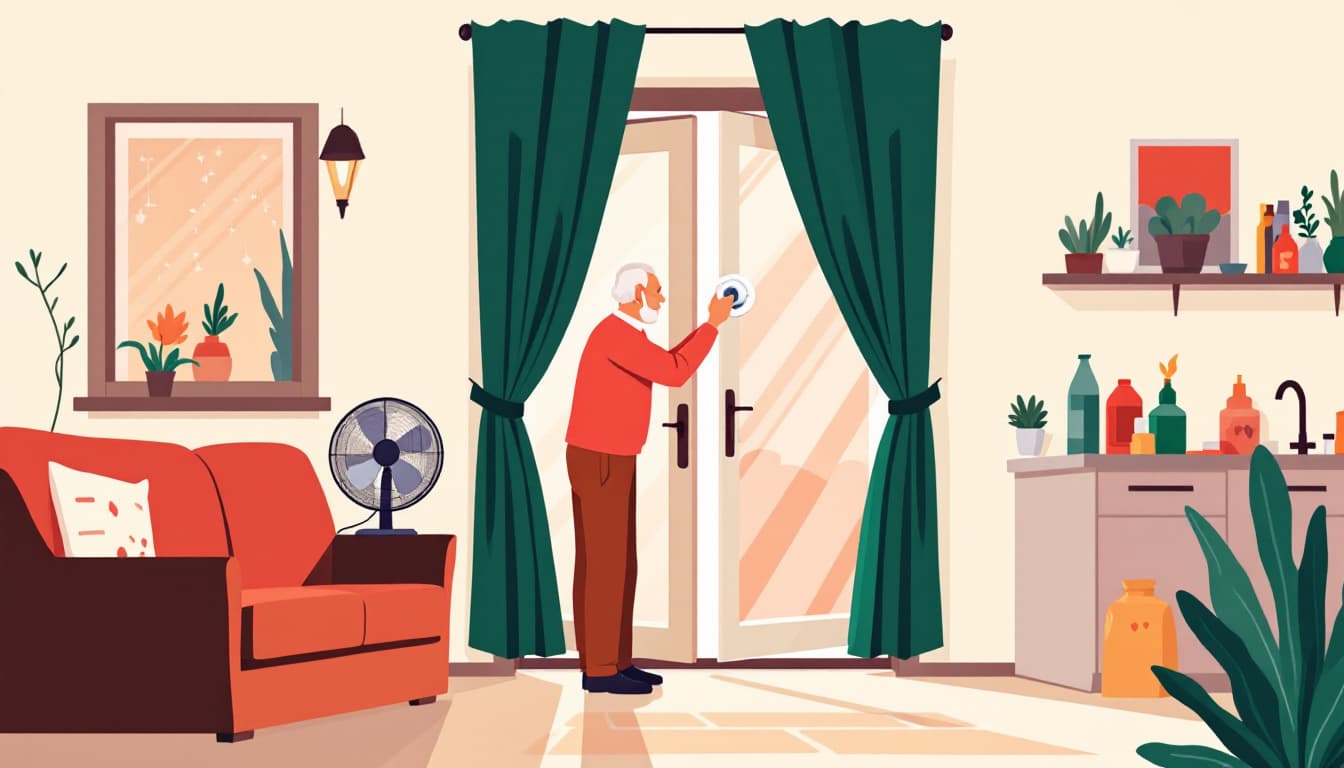
Establish your household's "heat floor" before a warning is issued, not during it. Walk through your home and identify the single coolest room — typically interior, north-facing, or below grade if you have a basement. That room becomes your family's default shelter during an Extreme Heat Warning, with the door kept closed and a box fan positioned to push hot air out the top of a cracked window rather than circulate it. Do this now so you're not making decisions at 2 p.m. when it's 107°F on the heat index.
Know your nearest cooling center before you need one. Tennessee Emergency Management Agency (TEMA) coordinates with county emergency management offices to open cooling centers during heat emergencies. Shelby County, Davidson County, and Knox County all have recent track records of activating public cooling locations — libraries, community centers, and some faith organizations. Look up your county emergency management website today and save the number in your phone. This is not just for people without air conditioning; it's relevant any time your power goes out for more than an hour during a heat event.
Fill your water buffer now. During extended heat warnings, municipal water systems occasionally flag pressure drops because consumption spikes. Filling a few clean containers — a gallon per person per day is the starting point — takes five minutes. If you have city water in Memphis, Nashville, or Chattanooga, you already have treated water; you're just creating a short-term redundancy against a pressure or boil-water advisory.
Check your AC before it fails mid-event. Replace or clean your filter if you haven't in the past 60 days. A clogged filter cuts efficiency and makes the unit work harder precisely when it needs to run continuously. Confirm your unit's drain line isn't backed up — backed-up condensate is the most common reason a functioning air conditioner shuts itself off unexpectedly. Neither task costs money.
Build a 48-hour contact list for your most vulnerable neighbors. Heat deaths in Tennessee skew heavily toward people living alone. A phone call costs nothing. Identify one or two people within walking distance who might not have functional AC or might not call for help, and put a check-in on your calendar for each day of a heat warning.
The bigger picture
A single Extreme Heat Warning in late July is not evidence of anything unusual on its own. Tennessee summers have always been brutal. What matters for household planning is that grid stress, aging housing stock with poor insulation, and compressed timelines between "hot" and "dangerous" are structural conditions, not anomalies. Building a heat-resilient household means a few hours of low-cost preparation, not a gear purchase. The families who come through heat events without incident are the ones who identified their cool room and their cooling center and their neighbor to check on before the warning showed up on their phone.
Durability is built in the quiet weeks, not the emergency ones.