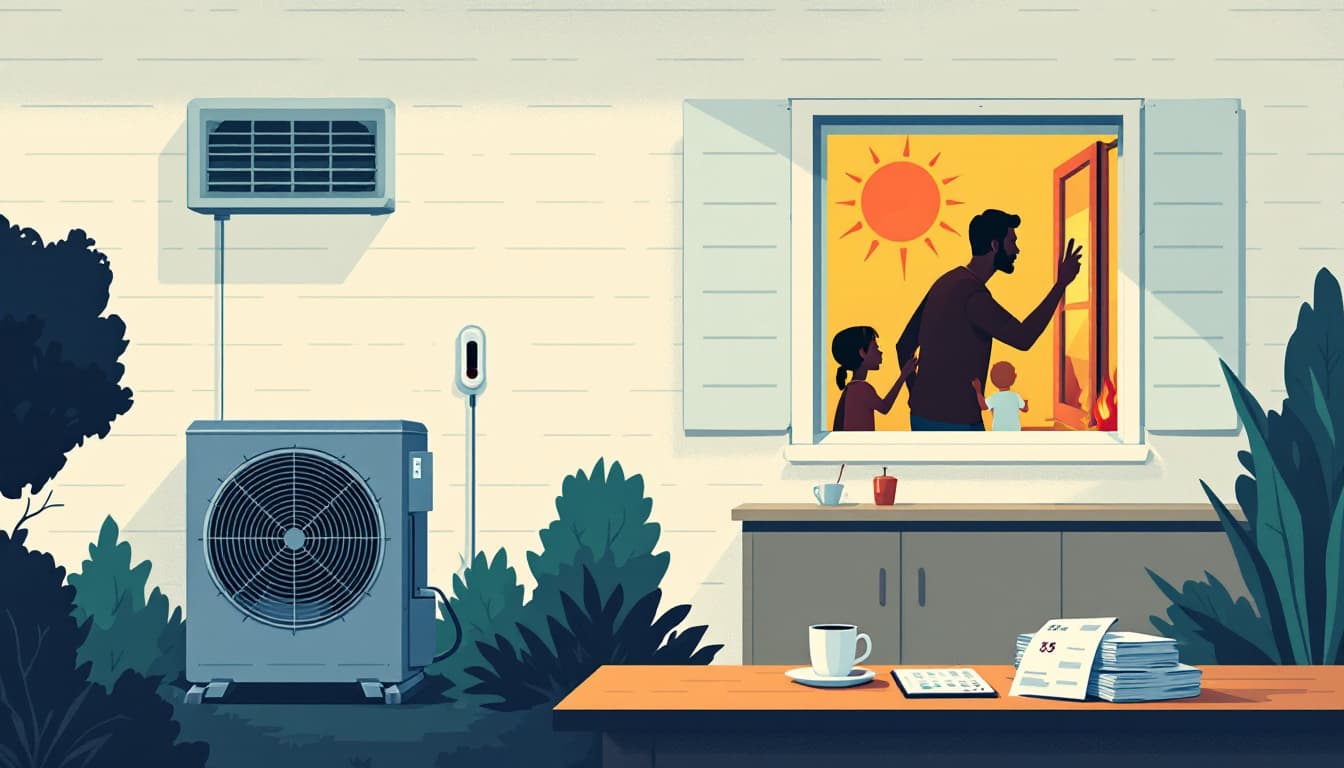
A hiker had to be pulled off South Mountain in Phoenix this week during what weather services designated an extreme heat day, according to a report from 12News. The details are thin, as these rescues usually are in local coverage. But the pattern is not. Phoenix Fire and the city's search-and-rescue teams respond to calls like this throughout July and August, often multiple times a week, on trails that thousands of people hike without incident every winter.
The gap between those two groups is not fitness or luck. It is preparation calibrated to the actual conditions.
What keeps going wrong
South Mountain Park sits inside the city limits, accessible by car in 20 minutes from most of the metro. That proximity is part of the problem. People treat it like a neighborhood park, not a desert environment where air temperature can exceed 115°F on exposed rock and trail surfaces run 20 to 30 degrees hotter than the air above them.
The standard advice — go early, bring water — is correct but incomplete. It does not account for the failure modes: a twisted ankle at 9 a.m. that keeps you on the trail until 11, a car that won't start after your hike, a companion who needs more time than expected. In those scenarios, "I brought 20 ounces of water" becomes a liability assessment, not a safety plan.
Arizona's heat is also not a single thing. The National Weather Service office in Phoenix issues distinct alert tiers — Excessive Heat Watch, Excessive Heat Warning, and the rarer Extreme Heat Day designation seen this week. Most residents do not track the difference. They notice it's hot and go anyway.
What we'd actually do
Check the NWS Phoenix forecast the night before any outdoor activity, not the morning of. The NWS Phoenix office (weather.gov/psr) updates heat alerts and hourly temperature forecasts by 5 a.m. most days. A glance the night before lets you cancel or reschedule before you've already packed the car and committed. Morning-of checks leave you rationalizing.
Carry water for twice your planned time outdoors, minimum. If you expect to be out for 90 minutes, plan for three hours. In dry heat above 100°F, a moderately active adult loses fluid faster than thirst signals register. Recent research on heat physiology puts that disconnect at 30 to 45 minutes — meaning you feel fine right up until you don't. For a family of four on a two-hour desert hike, that means at least three liters per person, not one shared bottle.
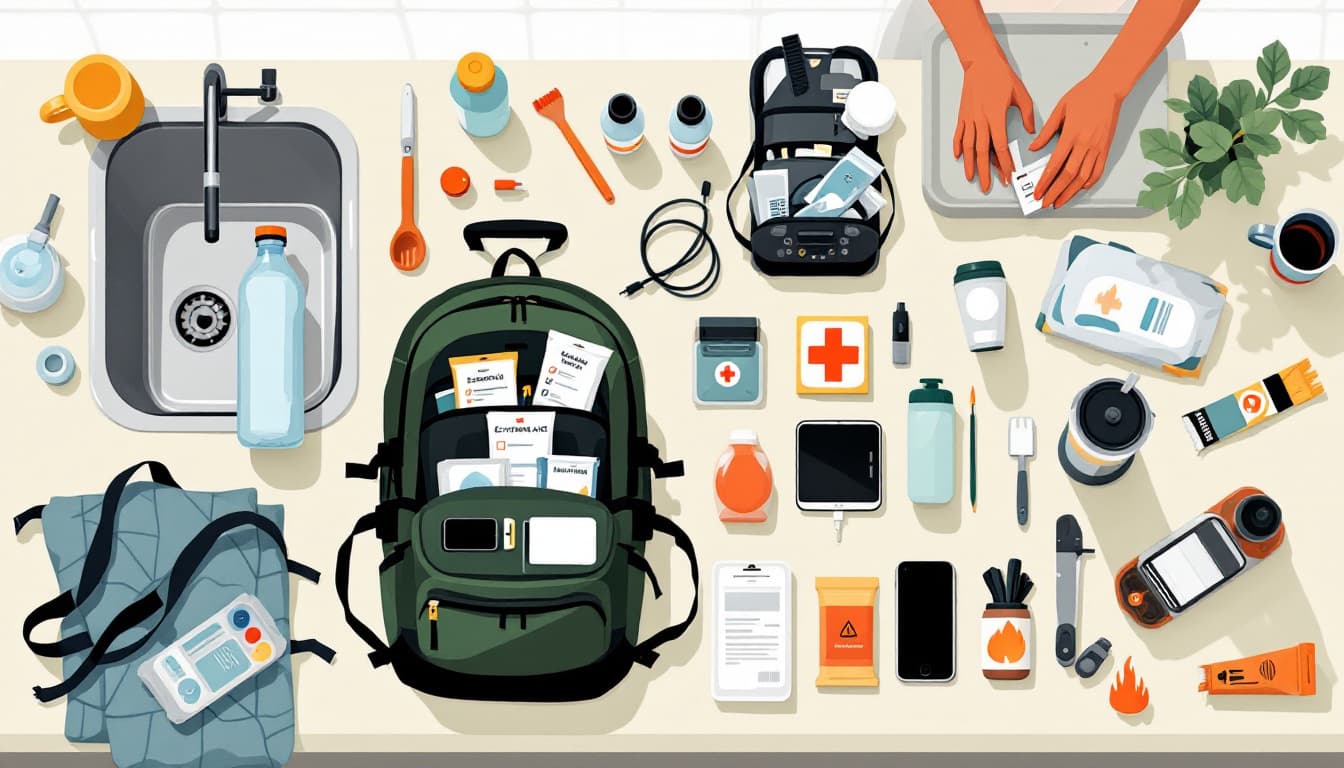
Keep a heat-specific car kit from June through September. The trunk of a parked car at South Mountain at noon can exceed 150°F. That kills most stored medications and degrades plastic water bottles. Your car kit during Arizona summer should live in an insulated bag and include: one liter of water per person, an emergency mylar blanket, electrolyte packets, and a battery-charged phone charger. Reassemble it every June 1. Replace the water monthly.
Know the two emergency contact points before you need them. Phoenix Fire's non-emergency line for trail rescues is separate from 911. Save the Maricopa County Sheriff's Office search-and-rescue tip line in your contacts as well. When you or someone with you is in distress on a trail, telling a 911 dispatcher "I'm on the National Trail near the Pima Canyon trailhead" is faster and more useful than "South Mountain somewhere." Download the AllTrails or Avenza map for your specific trail before you leave home so you have GPS coordinates available offline.
If you live with someone who exercises outdoors in summer, establish a check-in protocol. Text "out" when you leave and "back" when you return. Agree on a response threshold: if you don't hear back within 30 minutes of the expected return time, call. This costs nothing and has cut rescue response times in documented cases nationwide because a family member calls earlier than a stranger would.
The bigger picture
Heat rescue incidents at South Mountain are not freak accidents. They are predictable outcomes of ordinary decisions made without enough information. Arizona households that spend summers here absorb a lot of ambient heat culture — the 5 a.m. hiking crowd, the insistence that locals know what they're doing — and that familiarity breeds the specific kind of overconfidence that ends with a Phoenix Fire helicopter.
The goal is not to avoid the desert. The goal is to stay durable enough to keep using it. That means treating an extreme heat day the same way you'd treat a winter storm warning: not as a reason to panic, but as a data point that changes the plan.