A report this week from 12News describes Pinal County Sheriff's deputies rescuing a stranded hiker from Picacho Peak — the jagged volcanic spine that rises out of the I-10 corridor between Tucson and Phoenix. The rescue happened in early July, which means the rocks at Picacho were almost certainly radiating heat well above 130°F by mid-morning. The hiker got out. Many don't.
This is not a story about a reckless person making a stupid mistake. It's a story about a physiological ceiling that catches people off guard because the desert looks the same at 95°F as it does at 115°F until your body stops regulating temperature and you sit down and can't get back up.
What's actually happening out there
Arizona's Maricopa and Pinal counties collectively see dozens of heat-related rescues every summer, and a meaningful number of heat deaths — many of them hikers, but also people whose cars broke down, people who underestimated a short walk, and people whose air conditioning failed. The Arizona Department of Health Services publishes an annual heat death report; in recent years the numbers have trended upward, driven partly by more people moving to the state and partly by temperatures that make "normal summer" a moving target.
Picacho Peak State Park is a particularly unforgiving venue. The elevation gain is steep, the exposed rock holds heat, and there is almost no shade on the main summit trail. Cell signal is unreliable enough that a stranded hiker may not be able to call for help quickly. The park does post warning signs, but warning signs don't cool you down.
The broader pattern: summer heat in Arizona is not an edge case. It's the baseline condition that every household with members who go outside needs to plan around, the same way a household in Minnesota plans around ice roads in January.
What we'd actually do
Set a firm turnaround time, not a turnaround temperature. Before anyone in your household leaves for a trail, agree on a specific time to turn around regardless of how close the summit looks. Heat exhaustion doesn't announce itself — it degrades judgment first, which is exactly why you can't rely on feeling bad to trigger the decision to retreat. For any Pinal or Maricopa County trail from June through September, that window is almost certainly before 8 a.m. finish, not 8 a.m. start.
Carry more water than the trail sign says. The standard guidance of half a liter per hour is a floor, not a target. In direct Arizona sun above 100°F, a moderate-effort adult can lose closer to a liter per hour through sweat. A family of four doing a two-hour round trip needs to leave the trailhead with at least 10–12 liters, not the four bottles that feel heavy in the parking lot. Insulated bottles matter: water in a thin plastic bottle in direct sun can reach temperatures that accelerate dehydration rather than relieving it.
Tell someone your plan in writing before you go. A text to a contact that says "Picacho Peak, summit trail, leaving at 6 a.m., back by 9 a.m., call Pinal County Sheriff at 520-866-5111 if you don't hear from me by 10" costs nothing and gives rescuers a starting point. The Pinal County Sheriff's Office is the responding agency for Picacho Peak — knowing that number before you need it matters.
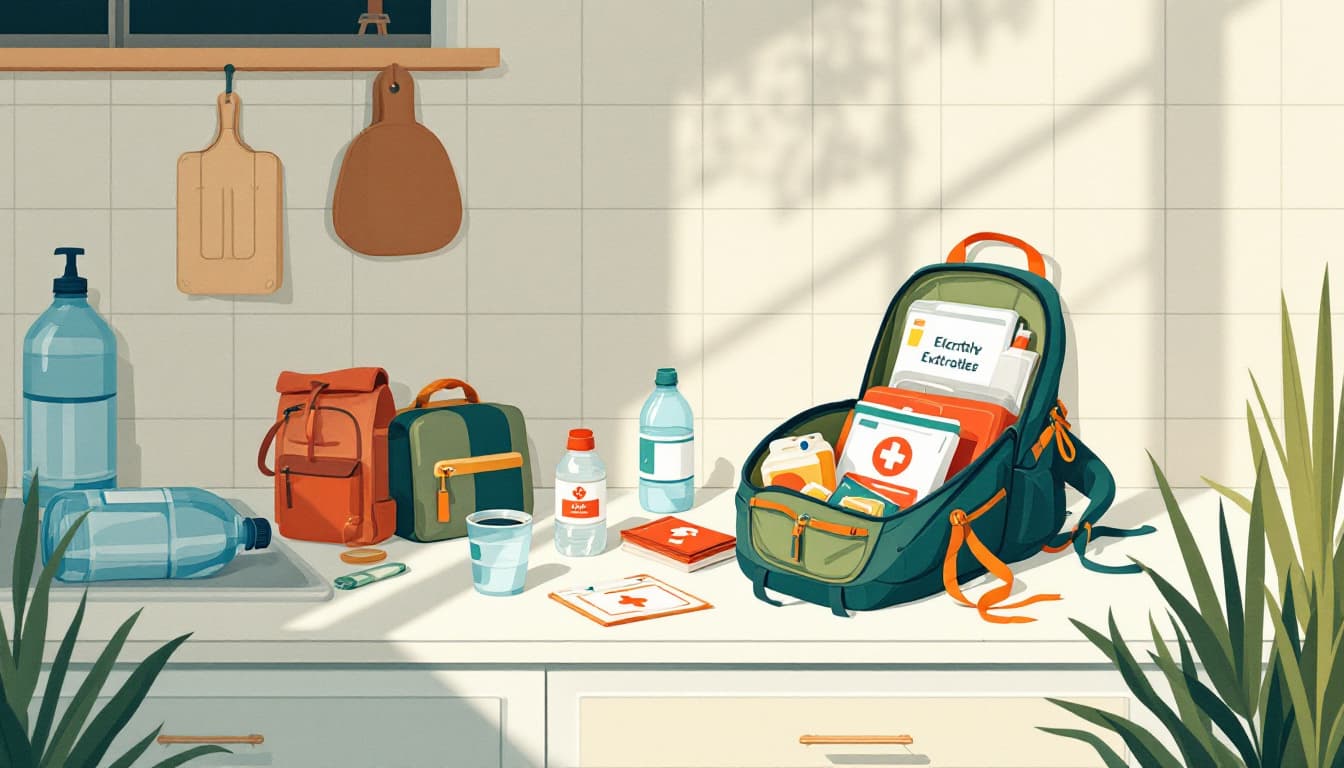
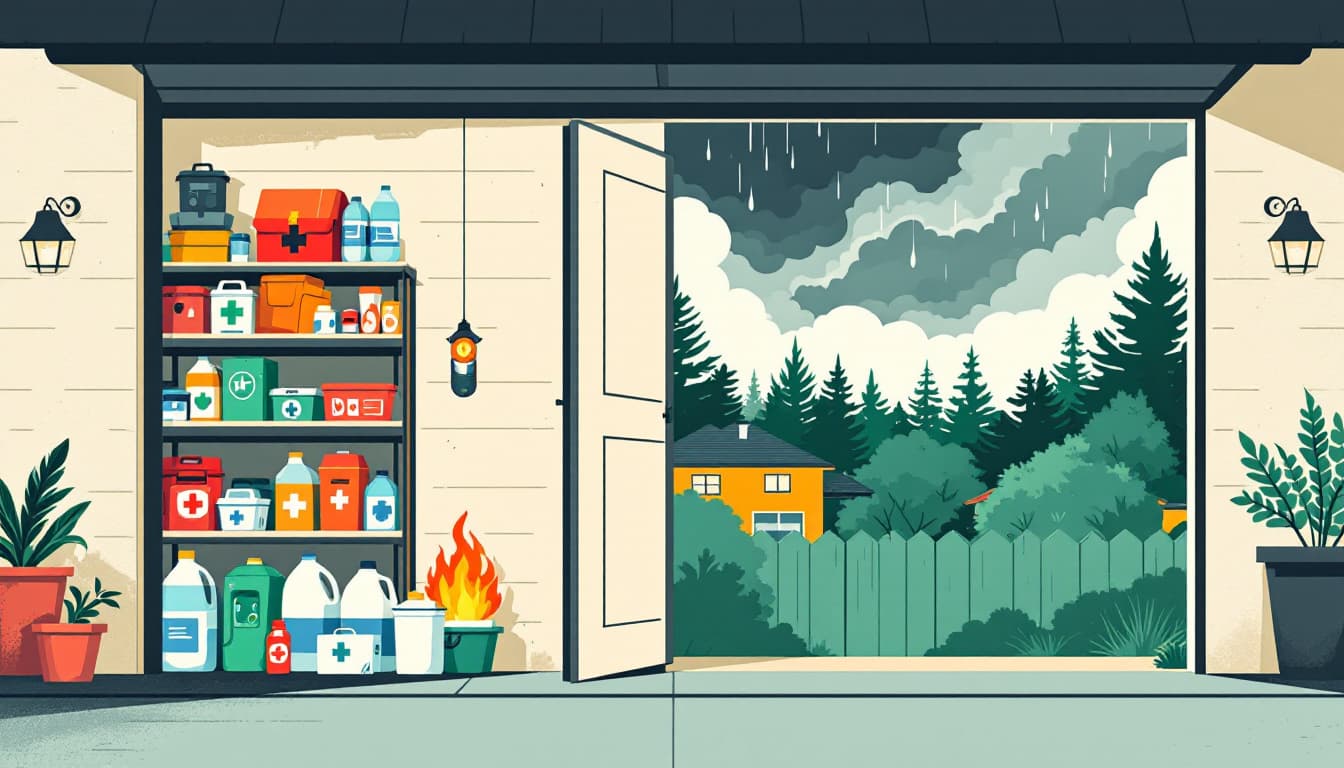
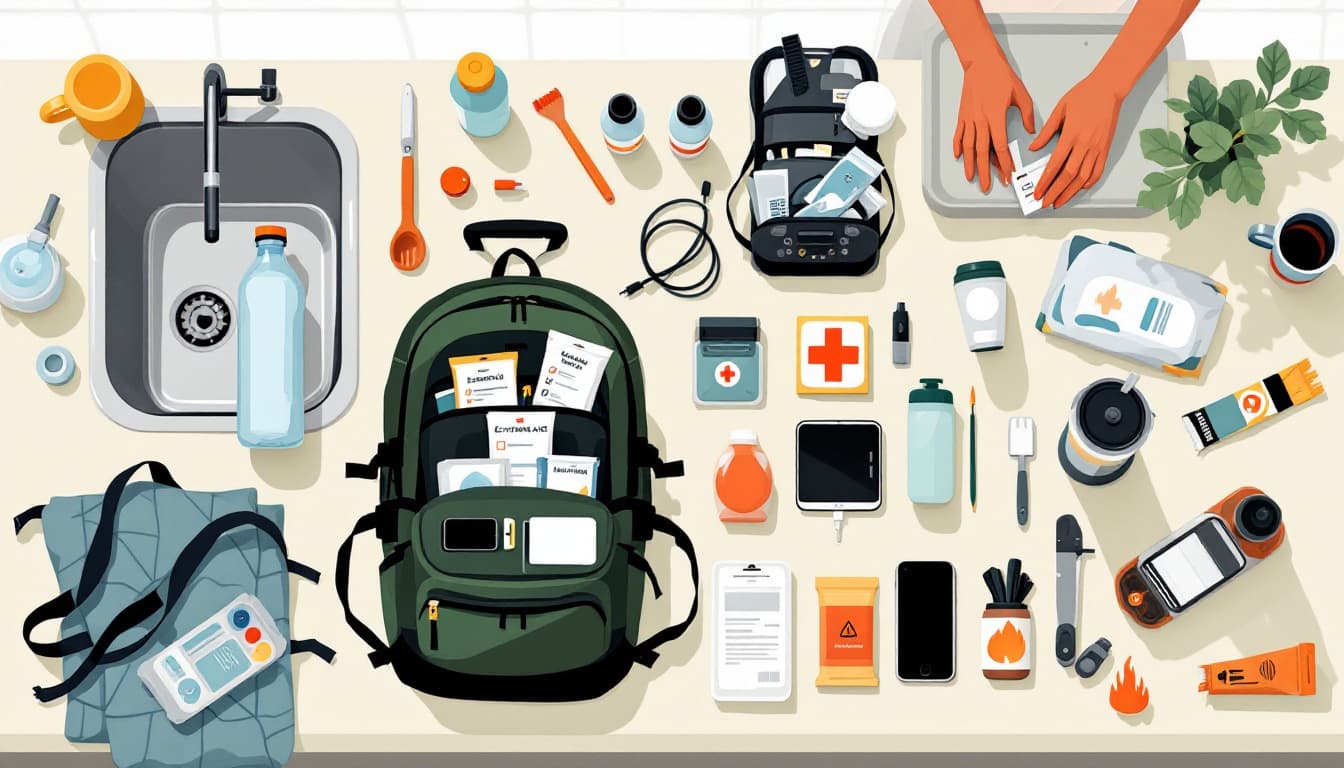
Build a heat-emergency kit for the car, not just the trail. Most Arizona heat rescues involve people whose situation deteriorated at or near a vehicle. A small cooler in the trunk with two frozen water bottles, a mylar emergency blanket, a hand-powered misting fan, and a basic electrolyte supply (powder packets, not just salt) covers the gap between "I feel terrible" and "help arrives." This costs roughly $35 assembled from existing household items and a drugstore run.
Know the two warning signs that mean stop now. Heat exhaustion — heavy sweating, weakness, cool pale skin, fast weak pulse, nausea — is reversible with rest, shade, and fluids. Heat stroke — high body temperature above 103°F, hot red skin, rapid strong pulse, confusion, loss of consciousness — is a medical emergency requiring a 911 call immediately. The difference in outcome often comes down to whether the people present recognize which one they're looking at.
The bigger picture
Arizona heat is not going to surprise anyone who has lived here for a summer. What does catch households off guard is how fast a manageable situation becomes an unmanageable one when the margin for error disappears. Preparedness for desert heat isn't about gear or extreme scenarios — it's about shrinking the gap between "something went wrong" and "someone who can help knows about it." That's a logistics problem. Solve it at home, before you leave the driveway.