A recent report from The Cool Down flagged something most Arizona renters haven't seen in their lease paperwork: state regulators are now threatening mobile home park owners with fines up to $25,000 for unresolved electrical hazards. The timing is not coincidental. August in the Sonoran Desert is when electrical infrastructure fails hardest, and when the consequences of a failed circuit are measured not in inconvenience but in heat stroke and fire.
What's actually changing
Arizona's mobile home parks have long operated in a regulatory gray zone. The state's Office of Manufactured Housing — under the Department of Fire, Building and Life Safety — has enforcement authority, but actions have historically been slow and penalties modest enough that deferred maintenance was cheap. The new fine threshold changes the math for owners who've been running out the clock on aging electrical panels, corroded pedestals, and undersized wiring that was installed when a Maricopa County summer meant one window-unit air conditioner, not three.
The hazard profile is specific. Mobile homes built before the mid-1970s often have aluminum branch wiring, which expands and contracts more than copper and can loosen at connections over years of thermal cycling. Phoenix, Tucson, and the East Valley regularly push afternoon temperatures past 110°F. At those temperatures, an already-stressed circuit under full AC load doesn't fail gracefully — it arcs. The Arizona Department of Forestry and Fire Management has consistently listed residential electrical fires as a leading cause of structure losses in the state.
For renters, the $25,000 fine matters less directly than what it signals: regulators are now on record saying this is a life-safety issue, not a code-compliance technicality. That changes the leverage tenants have when filing complaints.
What we'd actually do
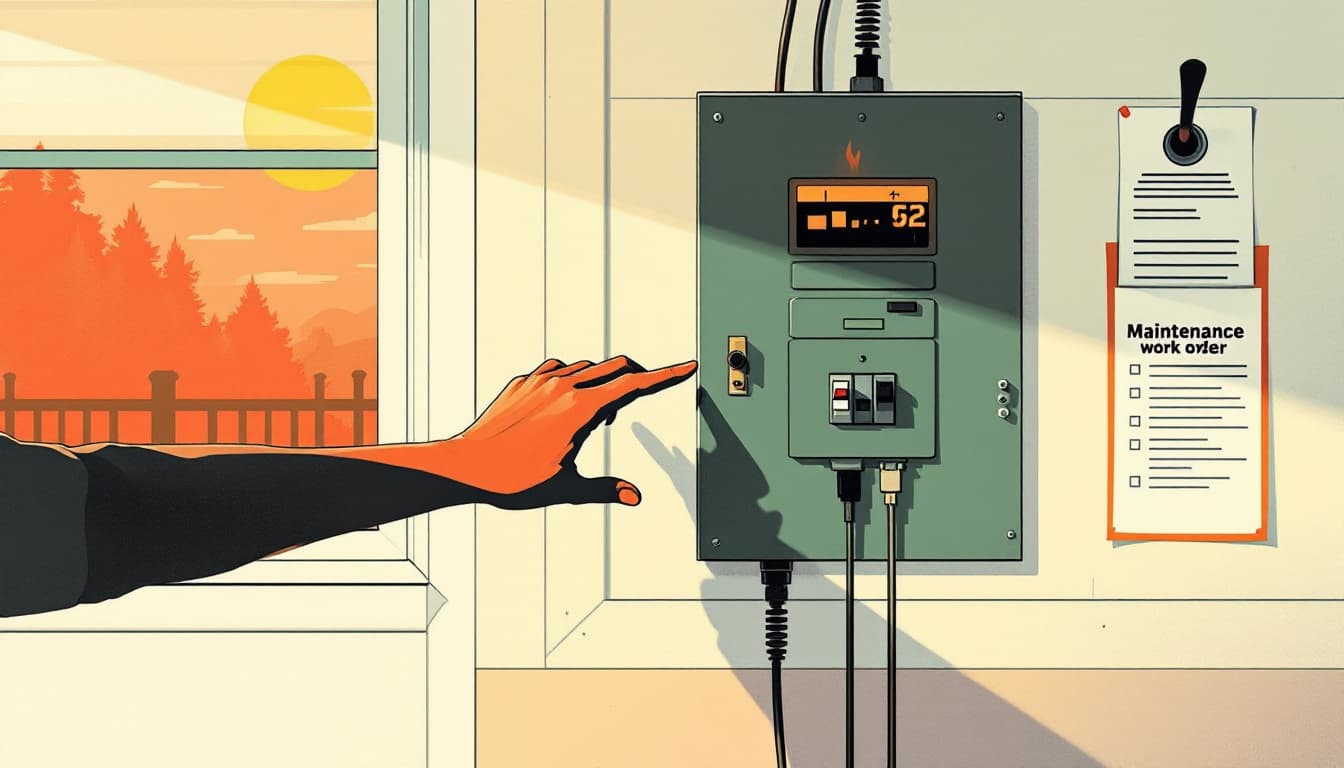
Document your electrical panel and any visible wiring issues right now, with dated photos. Walk your breaker box and every exterior electrical pedestal you can access. Photograph anything that looks corroded, charred, or jury-rigged. Date the photos with your phone's metadata. If you later need to file a complaint with the Arizona Office of Manufactured Housing, documentation of pre-existing conditions is the difference between a case that moves and one that stalls.
File a formal complaint if you've already raised the issue verbally and nothing changed. The Office of Manufactured Housing accepts complaints online and by phone. A formal written complaint creates a paper trail that triggers a required inspection timeline. Verbal requests to management do not. If you share a park with neighbors experiencing similar issues, a coordinated multi-unit complaint carries more weight than individual ones.
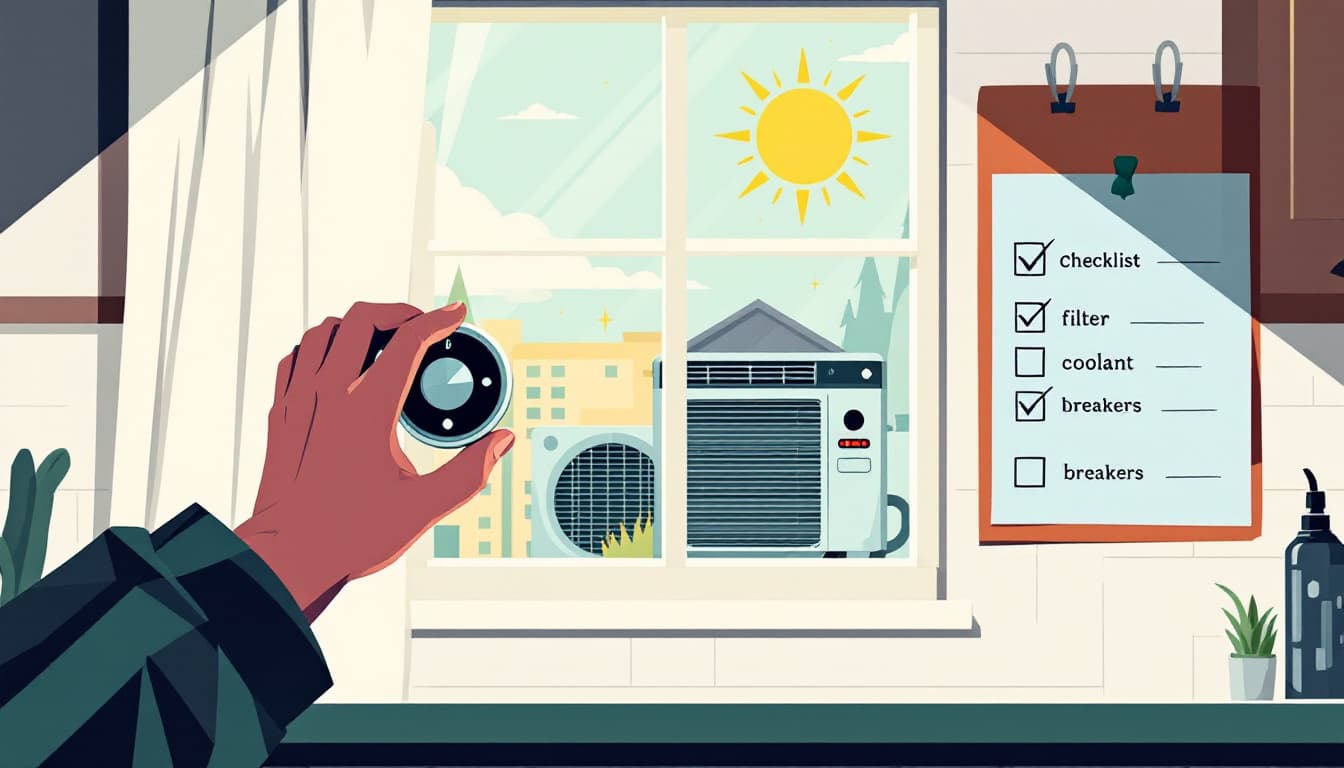
Get a $15 outlet tester and use it on every receptacle in your home. These three-light testers are available at any hardware store and take thirty seconds per outlet. They flag reverse polarity, missing grounds, and open neutrals — all common in older mobile home wiring and all capable of damaging electronics or creating shock hazards. A failed outlet in August, when you're running a box fan 24 hours a day, is not a "fix it later" situation.
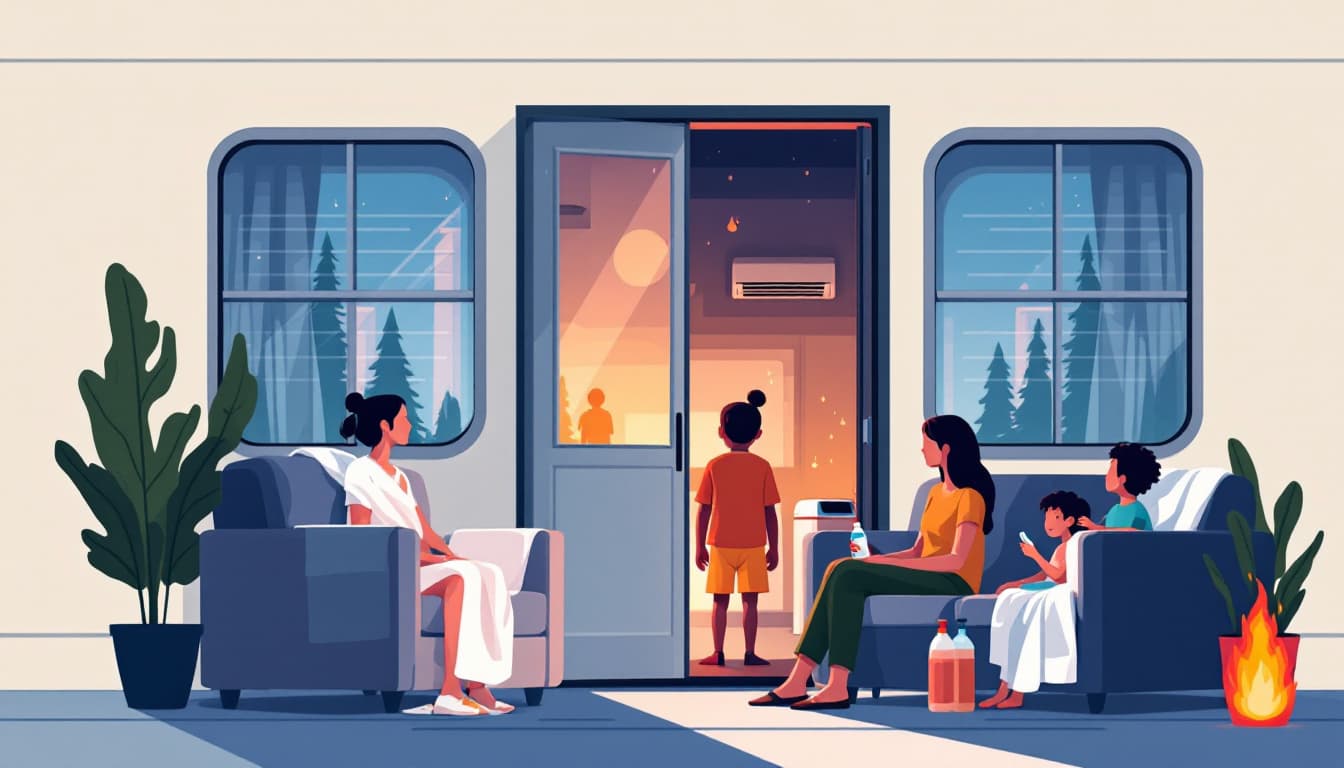
Know your cooling backup before you need it. If your electrical system fails or the park loses power, Arizona's extreme heat moves from dangerous to lethal within hours for the elderly, children under five, and anyone on certain medications. Identify your nearest Maricopa County or Pima County cooling center now — both counties publish updated lists during heat emergencies. If you have a vehicle with working AC, know it's your first-tier backup shelter.
Audit your renter's insurance for fire and displacement coverage. Standard renter's policies cover your belongings and temporary living expenses if an electrical fire displaces you. Check that yours is current, that the coverage limit reflects replacement cost (not depreciated value), and that it covers additional living expenses for at least 30 days. In Phoenix, a month of emergency lodging during peak summer can run well over $2,000.
The bigger picture
Arizona adds roughly 100,000 new residents a year, and mobile home parks absorb a meaningful share of working-class households priced out of site-built homes. That's not a peripheral population — it's a structural part of the housing market. When electrical infrastructure in those parks is deferred long enough to require a $25,000 threat to move owners, the preparedness gap isn't individual. It's systemic.
The goal here isn't to alarm anyone into moving. It's to make sure you know your rights, your documentation options, and your backup plan before the afternoon thunderstorm trips your breaker at 4 p.m. on a 112-degree day. Durable households run on boring, unglamorous preparation. This is that.