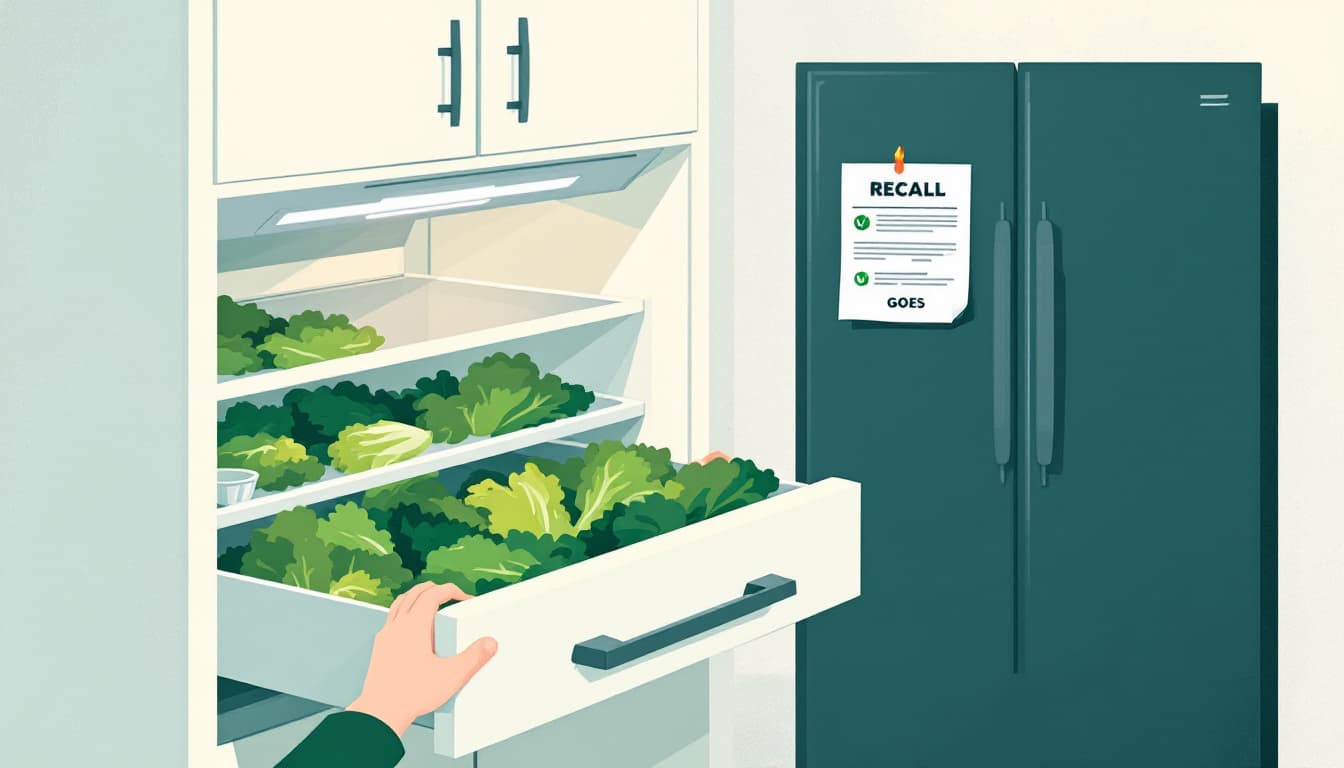
A canister of green powder sitting in a Phoenix kitchen cabinet right now may be under recall. A report this week from AZ Family flagged an active salmonella contamination concern affecting green powder dietary supplements — the kind marketed as daily greens blends, superfoods, or wellness powders. The FDA maintains a running recall database, and this one is live.
Salmonella in a dry powder product is not intuitive. Most people associate it with raw poultry or produce. But powdered supplements — particularly those containing dehydrated greens, algae, or grass-based ingredients — can harbor the bacteria if processing controls fail. Low moisture does not reliably kill salmonella. The Arizona Department of Health Services tracks foodborne illness clusters in the state, and Maricopa County's hot, dry conditions don't protect consumers — they just change where contamination happens, not whether it can.
What's actually happening here
The recall class is green powder supplements, not a single obscure brand. That matters because "greens powders" have become a sprawling product category sold at grocery chains, big-box stores, and online, in quantities that encourage bulk purchasing. If you bought a three-month supply because it was on sale, you may be sitting on multiple affected containers.
The contamination concern is salmonella, which causes symptoms ranging from diarrhea and fever to severe dehydration. For healthy adults, it's miserable but manageable. For elderly household members, children, or anyone immunocompromised — common in Arizona's large retiree population — it can escalate quickly.
What the news report doesn't tell you: supplement recalls in the U.S. are voluntary, meaning the company initiates the recall after the FDA flags the problem. There is no mandatory pre-market testing requirement for most dietary supplements. The system depends on post-market surveillance, which means contamination is typically discovered after people get sick or a routine audit turns something up. By the time a recall notice goes public, product has been sitting in homes for weeks or months.
What we'd actually do
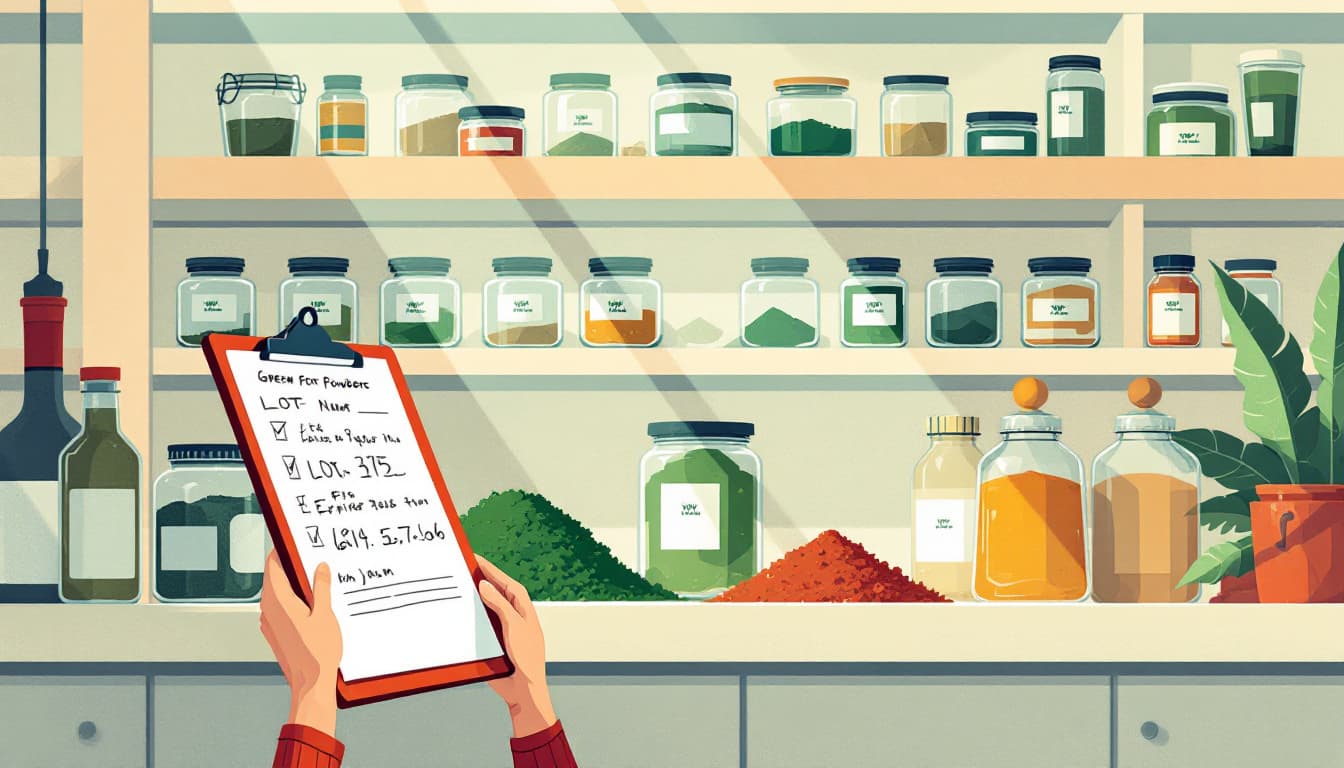
Pull every greens powder from your shelf today and cross-reference it against the FDA recall database at recalls.fda.gov. This takes four minutes. Search by product category or company name. Look at lot numbers on the bottom or back of your containers — recalls are often lot-specific, meaning not every canister from a brand is affected. Don't assume you're safe because you recognize the brand.
Contact ADHS or Maricopa/Pima County public health if anyone in your household has had unexplained GI symptoms in the past three to four weeks. The Arizona Department of Health Services maintains a foodborne illness reporting line. If someone in your household had a fever, vomiting, or severe diarrhea that resolved without a clear cause, it's worth a call. This is especially true if you've been consuming greens powder daily — the dose matters, and regular use concentrates exposure.
Dispose of recalled product correctly — do not compost it. Seal the canister in a plastic bag and discard in your regular trash bin. Do not compost greens powder under a recall notice; salmonella can persist in composting environments, and Arizona's backyard composting practices can spread it to garden soil used for vegetables.
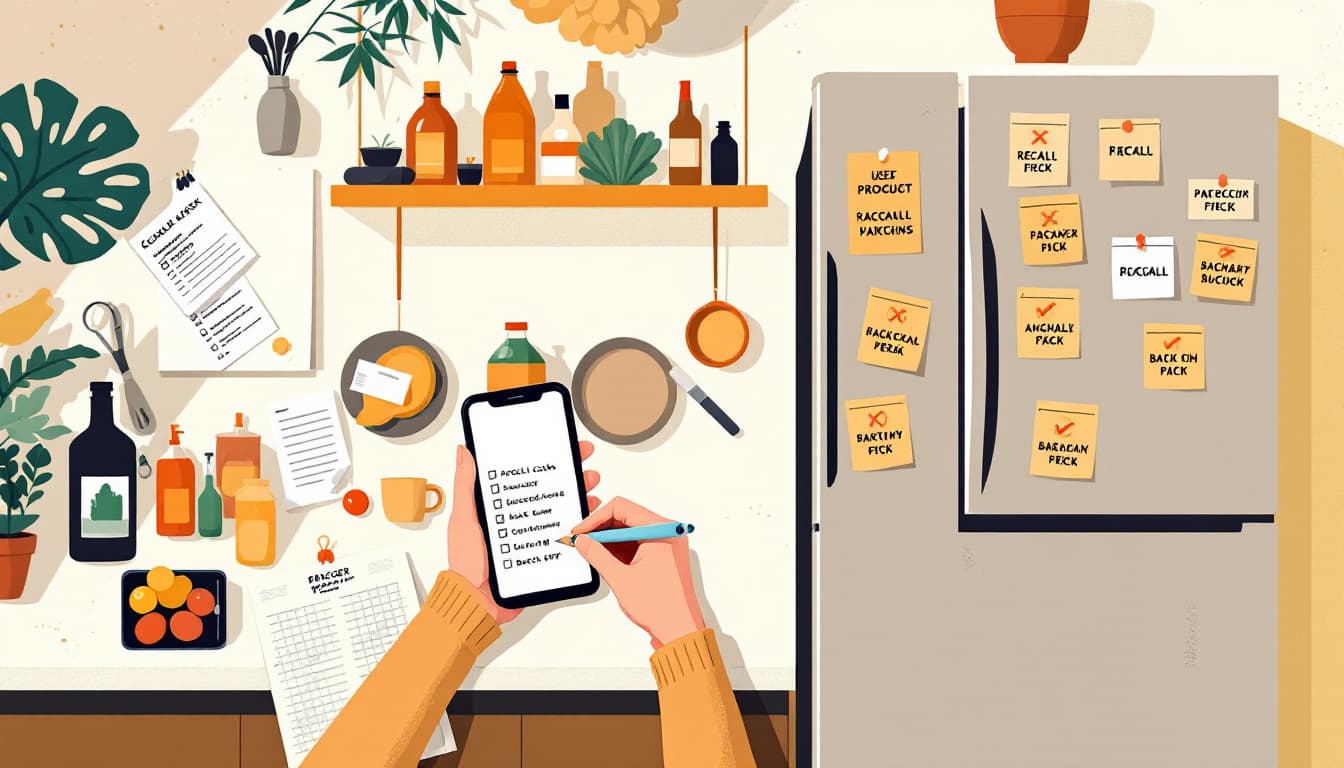
Build a two-column log for any supplement you stockpile: lot number and purchase date. This is a 10-minute setup in a notes app or a sticky label inside the cabinet. Supplements are not governed by the same lot-tracking norms as medications. When a recall drops, most households have no idea what lot number is in their cabinet. A simple log fixes this entirely.
Treat greens powders the same way you'd treat any perishable food, not like a shelf-stable dry good. Arizona summers accelerate degradation. Powders stored in a hot garage or a cabinet near the oven may not be microbiologically stable even if they're within their printed best-by date. Store supplement powders in a cool, dark location — a pantry with climate control, not a laundry room that hits 90°F in August.
The bigger picture
Preparedness culture has a complicated relationship with supplements. There's a real contingent of preppers who stockpile greens powders as part of a long-term nutrition strategy, reasoning that a dense micronutrient source could be valuable when fresh produce isn't available. That's not unreasonable. But bulk purchasing of products with weak regulatory oversight, stored in Arizona heat, without lot-number tracking, is exactly the scenario that turns a manageable recall into a household health event.
The goal here isn't to stop buying greens powders. It's to apply the same rigor to your supplement shelf that you'd apply to your food storage — verification, rotation, and documentation. Durability doesn't come from stockpiling things. It comes from knowing what you actually have.