A report this week from azcentral.com and The Arizona Republic listed seven food items currently under recall that Arizona shoppers may have already purchased. The list includes products available at major grocery chains that operate throughout the Phoenix metro, Tucson, and the rural corridors in between.
Most households won't act on that information. Not because they don't care, but because the current recall system is genuinely bad at reaching the people it's supposed to protect.
The recall system works slowly, and Arizona's summer makes it worse
The FDA and USDA post recalls publicly, but the path from agency announcement to your kitchen takes time. Retailers are required to pull items, but shelf clearing isn't always instantaneous. In a state where July temperatures regularly exceed 110°F in Phoenix and Yuma, any recalled product involving bacterial contamination — Listeria, Salmonella, E. coli — carries compounded risk. Heat accelerates spoilage in transit and in cars. If a recalled item sat in a warm vehicle for twenty minutes on the way home, the safety math changes.
The azcentral.com coverage is useful precisely because it does the aggregation work for Arizona readers that most people won't do themselves. But a weekly news roundup is still a lagging indicator. By the time a recall makes a local news list, some households have already eaten the product.
What's actually changing
Recall volume has been trending upward over the past several years, driven by more sensitive testing technology — not necessarily worse food production. That distinction matters. The FDA can now detect contamination at lower thresholds than it could a decade ago. More recalls doesn't automatically mean the food supply is collapsing. It means the monitoring is sharper.
What hasn't improved at the same pace is household notification. Loyalty card programs theoretically allow retailers to send targeted recall alerts to customers who purchased a specific item. Several major chains have this capability. Whether they use it consistently is another question, and Arizona shoppers shouldn't assume they'll receive an automatic warning.
What we'd actually do
Sign up for FDA and USDA recall alerts directly. Go to FDA.gov and USDA.gov and subscribe to their recall email lists. Takes three minutes. The FDA also has a free app called MedWatch, though the email list is more reliable for food recalls specifically. You will get more emails than you expect — that's the point.
The goal is to move your notification one step earlier than the local news cycle. If a recall hits on a Tuesday and the regional roundup runs on Friday, you want to know Tuesday.
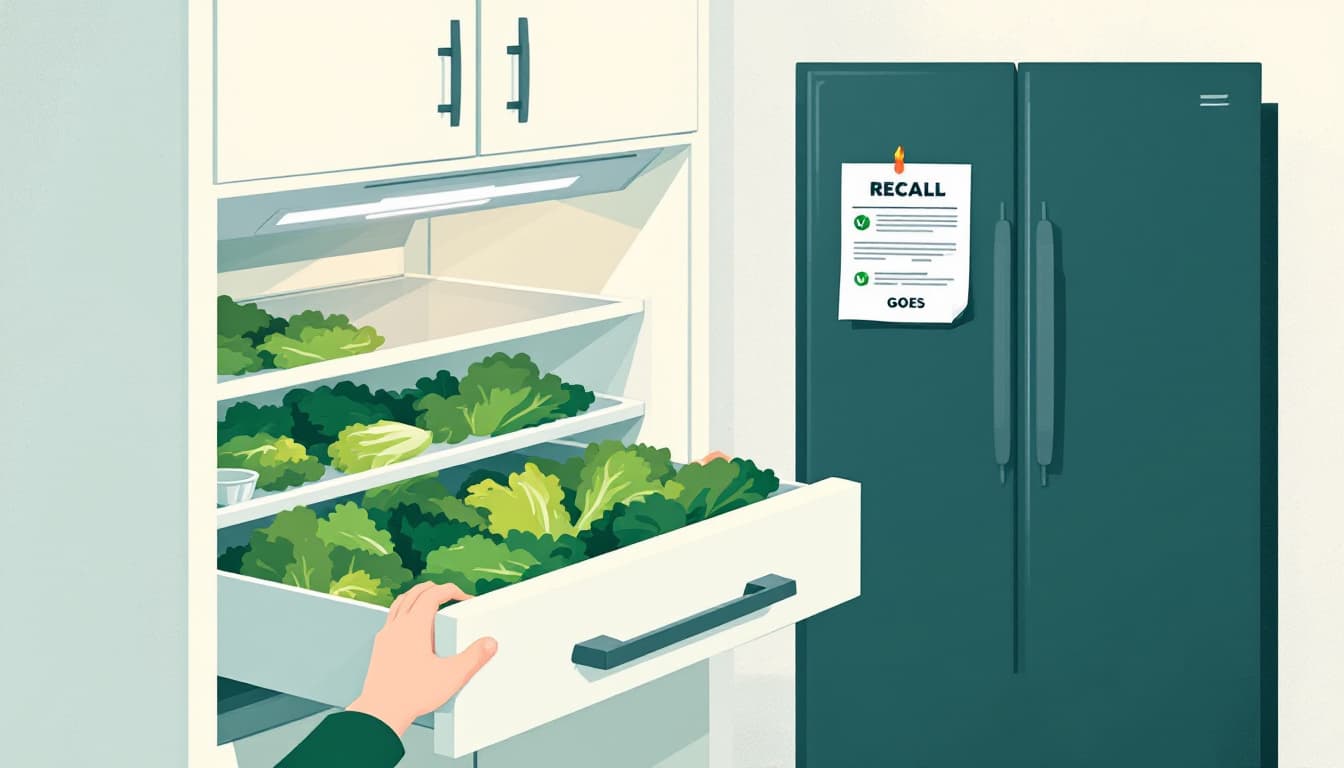
Do a refrigerator and pantry pass today, not eventually. Pull out everything in the fridge door and the back of the freezer. Check the brand, product name, and lot code against the FDA's current recall list at recalls.gov. This takes fifteen minutes. Most households find at least one item they bought months ago and forgot. In Arizona, the freezer pantry habit is common because of bulk buying during cooler months — those older items are the ones most likely to slip through.
Keep your grocery receipts for 30 days, or photograph them. A receipt or digital order history is the fastest way to confirm whether you purchased a specific lot code. If you use a store app or a grocery delivery service, your purchase history is already searchable. Set a habit of photographing paper receipts before discarding them.
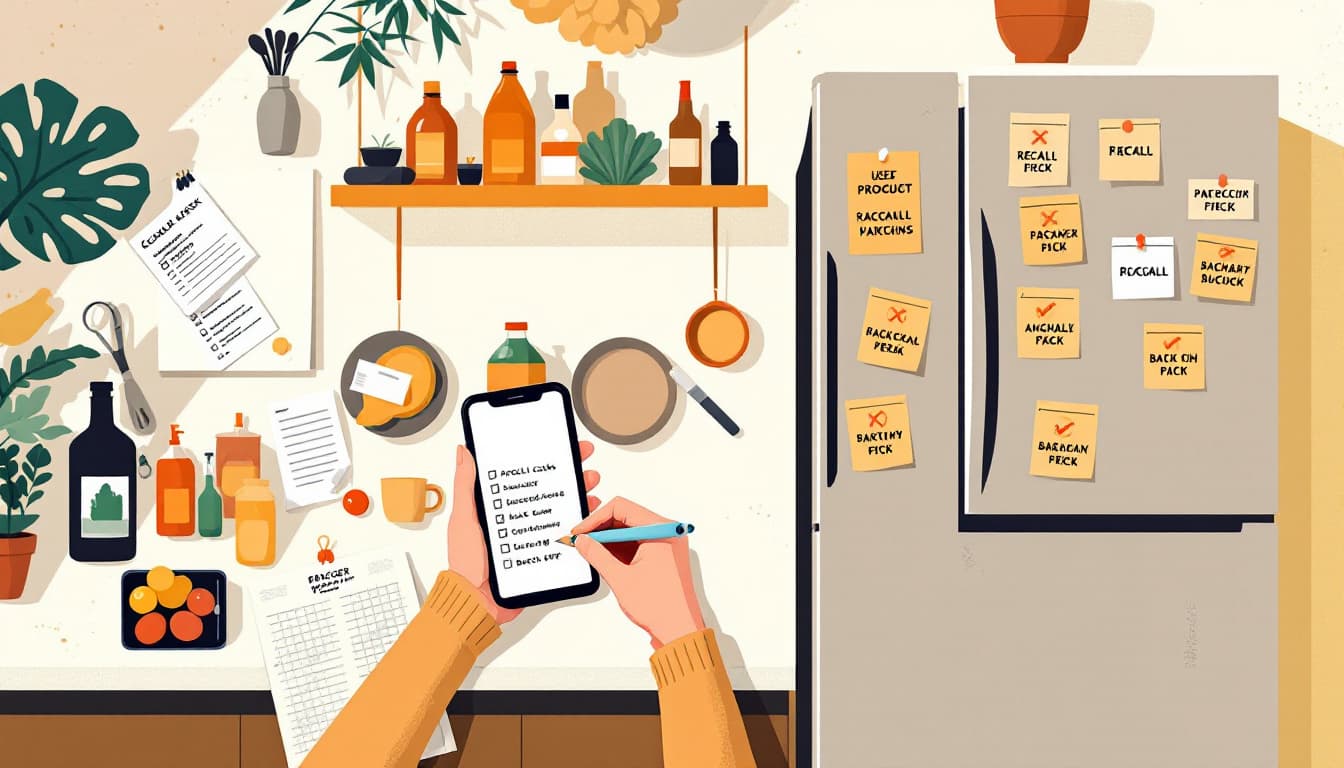
Tell your household who checks these things. One person knowing about a recall is only useful if they're the one who cooked with the item. In households with multiple adults or with kids who pack their own lunches, make sure the information travels. A shared notes app with a "current recalls" note that gets updated takes thirty seconds to maintain.
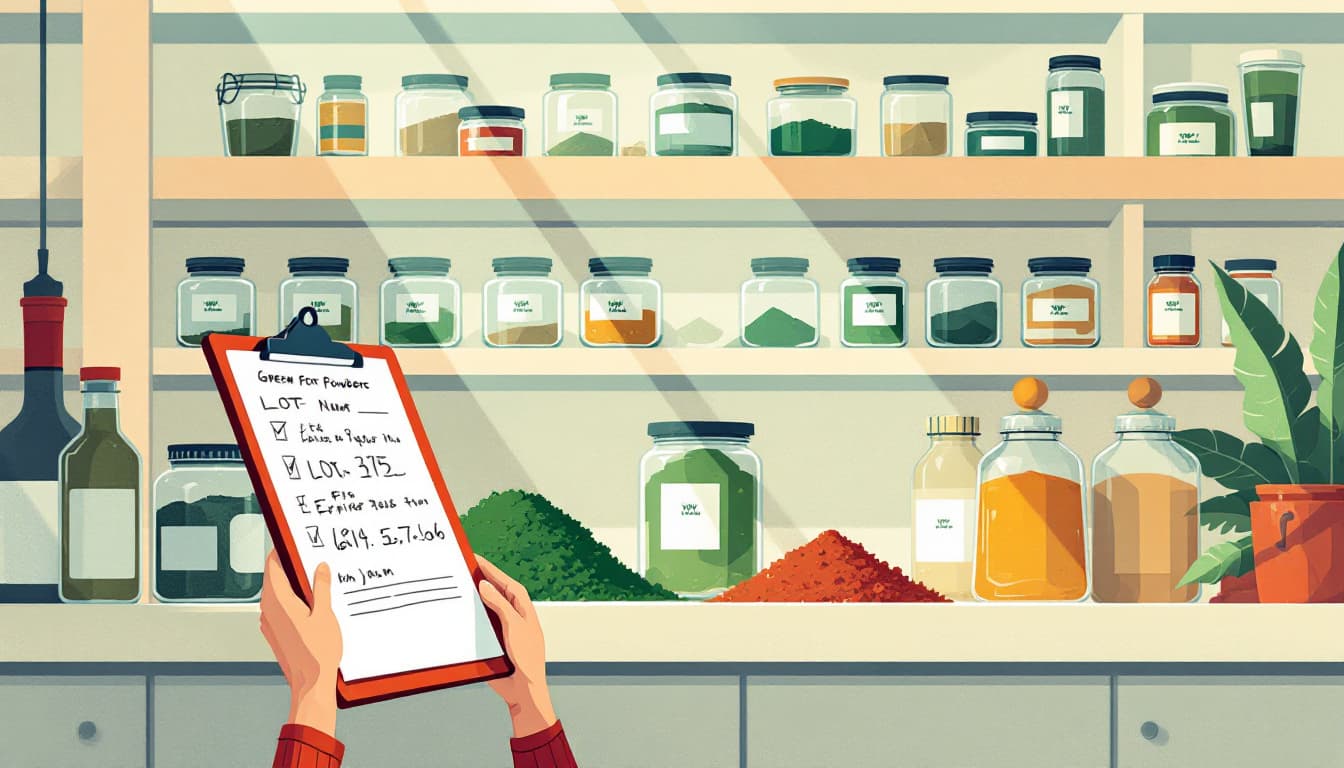
If you store emergency food, audit lot codes at rotation. Many Arizona households keep a 2-4 week food supply because of summer storms, extreme heat events, and grid vulnerability. Canned goods and shelf-stable items are also subject to recalls. When you rotate stock — which you should be doing anyway — check lot codes against the current recall database before restocking.
The bigger picture
Preparedness isn't about stockpiling against catastrophe. It's about reducing the gap between when something goes wrong and when your household finds out. The food recall system is functional but slow. That gap is closeable with fifteen minutes of setup and a quarterly habit. The families who get hurt by recalls are almost never unlucky — they're just operating without a notification system that the infrastructure was supposed to provide and didn't quite deliver.
Arizona's summer grocery reality — hot car interiors, bulk buying, deep freezers — makes the stakes slightly higher than in cooler climates. That's not an alarm. It's just a reason to close the gap this week rather than next month.