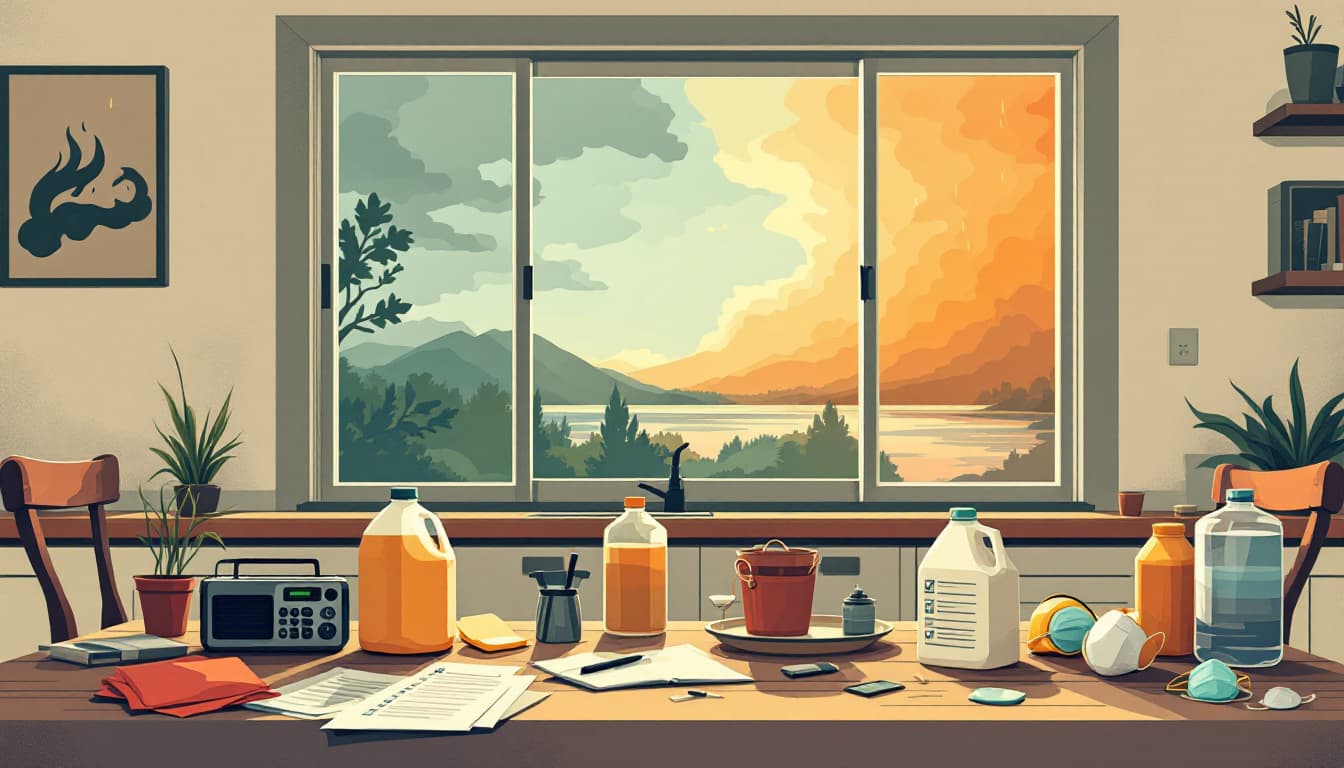
A KOLD report this week described what any Tucson-area resident already knows as the monsoon pattern at its most disorienting: temperatures above 110°F, a haboob rolling in behind the heat, and then — within 48 to 72 hours — heavy rain and flash flood watches across the same ground. The dust hasn't settled before the washes start running.
That sequence is not a freak event. It is Arizona's monsoon structure, roughly June through September, and it reliably catches households flat-footed because the hazards feel contradictory. You were just thinking about heat. Now you need to think about water moving fast through terrain baked too hard to absorb it.
What's actually changing in that 72-hour window
The soil physics matter here. When southern Arizona ground is bone-dry and compacted after weeks of extreme heat, the first heavy monsoon rain doesn't soak in — it sheets off. Arroyos and low-water crossings that look like gravel walking paths can carry several feet of fast-moving water within minutes of a storm cell forming over the Santa Ritas or Rincons, miles from where you are standing.
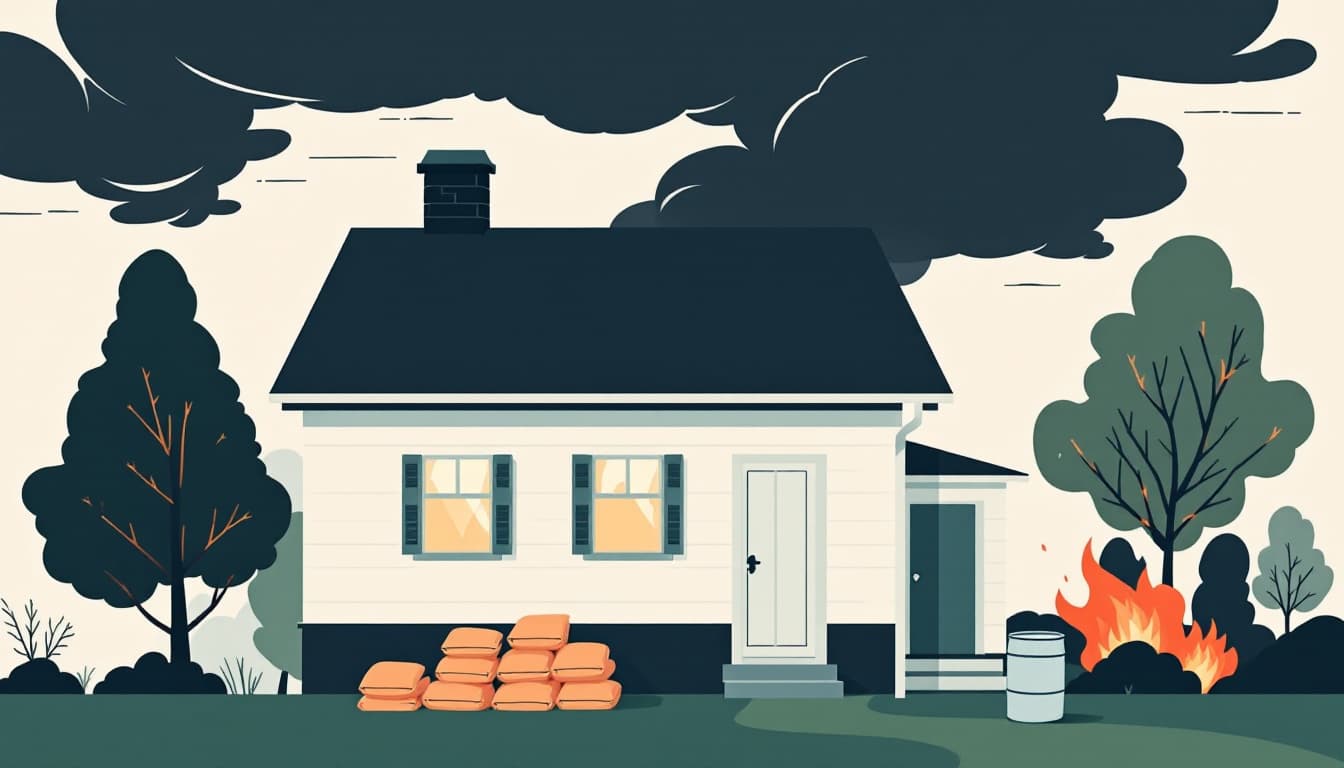
The dust storm that precedes the rain adds a specific household hazard most preparedness guides skip: interior air quality drops sharply during a haboob, particulate matter spikes, and many households respond by sealing windows — which is correct. But those same households then don't re-ventilate or check drainage around the foundation once the rain follows, which is when problems start.
Flash flooding in Arizona also doesn't respect urban versus rural. The National Weather Service Tucson office has documented flood events in Pima, Pinal, and Cochise counties where water entered structures well within city limits, traveling through drainage infrastructure overwhelmed by short, intense cell storms. The storm doesn't have to be above your house.
What we'd actually do
Check your nearest low-water crossing right now, before the weekend. Look up ADOT's AZ511 or your county's road closure map and identify every crossing between your home and your most critical destination — work, school, a relative's house. Arizonans die in low-water crossings every monsoon season because drivers misjudge depth. Knowing the crossing is part of your route before the storm means you've already decided to find an alternate.
Locate your window seals and your downspout drainage on the same walk-through. Haboob dust gets into gaps that you'll later find during the rain phase. Spend 15 minutes walking the exterior of your home looking for two things: anywhere dust visibly pushed in, and anywhere downspouts deposit water within three feet of your foundation. Redirecting a downspout extension costs under $10 at any hardware store and is the single most common flood-damage prevention action that didn't happen.
Put a one-gallon per person water reserve aside specifically for post-storm contamination risk. Monsoon flooding in southern Arizona can temporarily affect municipal water pressure and, in well-dependent households outside Tucson and Phoenix metro areas, can introduce surface contamination into shallow wells. This isn't a 72-hour survival scenario — it's a 12-to-24-hour quality uncertainty window. A few gallons already in the pantry removes the decision entirely.
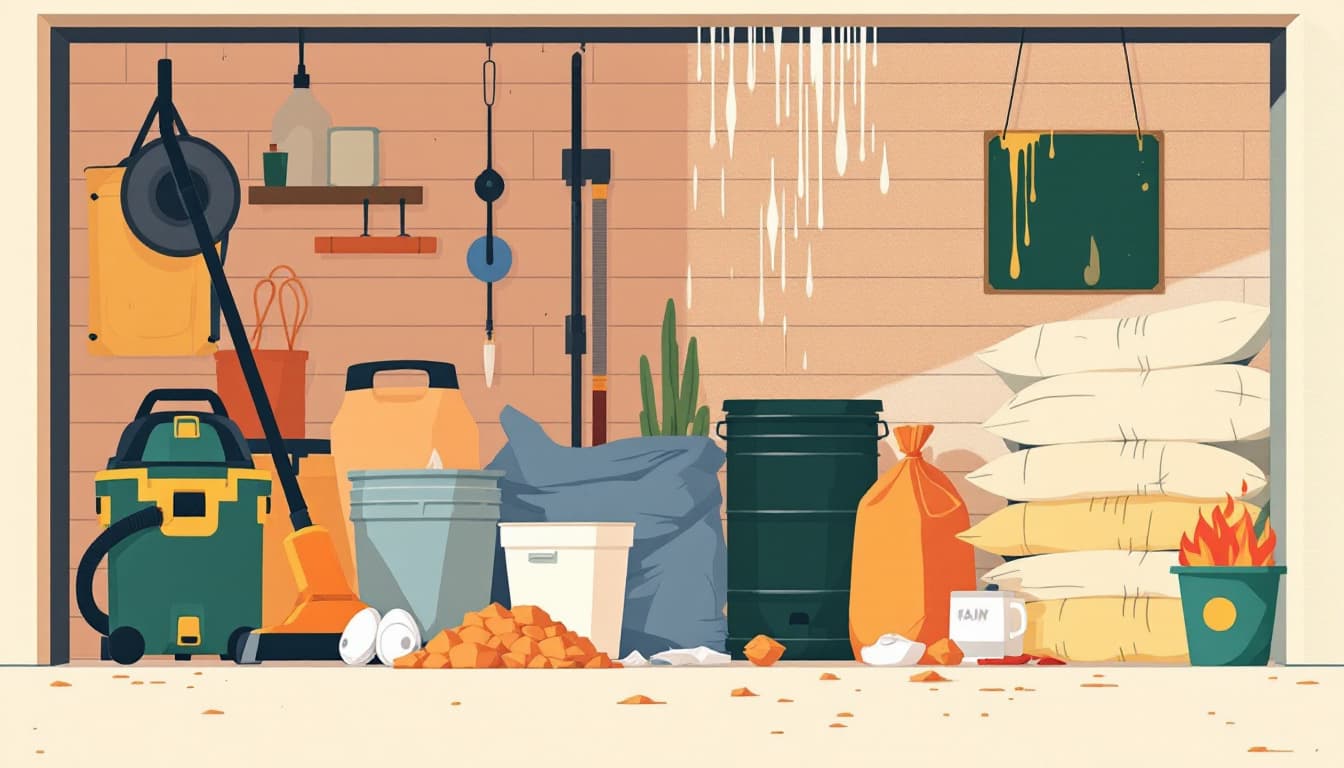
Move anything irreplaceable off garage floors this weekend. Documents, tools, medications stored in garage refrigerators, or boxes you haven't touched since the last move — get them 18 inches off the concrete. Arizona garages flood more reliably than living areas in sheet-flow events because they sit at or below grade and often have compromised seals at the door threshold.
Download NWS Tucson alerts to your phone before Saturday. Not a third-party app. The NWS Tucson office issues flash flood warnings that are geographically specific to county zones and sometimes to individual drainages. Turn on wireless emergency alerts in your phone settings and verify the NWS Tucson page is bookmarked. This is a 90-second task.
The bigger picture
Arizona households that live through enough monsoon seasons tend to develop an informal preparedness rhythm — shade screens down, washes respected, alerts on. The problem is that rhythm breaks down for people who moved here in the last two or three years, for households that spent the early summer entirely focused on heat, and for anyone whose attention drifted during the quiet stretch between May and the first storm.
The goal isn't to be afraid of monsoon season. It's to not be surprised by it. Southern Arizona's weather swings are well-documented, well-forecast, and survivable with modest preparation. What KOLD is describing this week is the same pattern the region has always produced — you just need your house and your route decisions to be ready 24 hours before it arrives, not 24 hours after.
Durability in a desert state means learning to move between hazards fluidly, not stockpiling for a single imagined catastrophe.