A FOX 10 Phoenix report this week is tracking a compound weather event bearing down on Arizona just before the holiday: strong wind gusts, active fire weather warnings, and a heat wave set to peak around July 4. Each of those conditions is manageable on its own. Together, in sequence, they create the kind of week that separates households that have thought ahead from households that haven't.
Here's what the forecast itself doesn't tell you.
What's actually happening
Wind comes first. Dry, gusty pre-monsoon wind in late June is normal for Arizona, but it does two dangerous things: it desiccates already-parched vegetation and it can topple poorly secured structures, knock out power lines, and spread embers fast. Fire warnings don't mean a fire is happening — they mean conditions are optimal for one to start and move quickly.
Heat follows. A heat wave landing on top of fire-risk conditions means air quality can collapse with little warning. Wildfire smoke plus 110°F-plus temperatures is not just uncomfortable — it's a medical event for children, elderly family members, and anyone with respiratory conditions. Arizona's Maricopa County operates a heat emergency system and has historically opened cooling centers during peak events. Knowing where your nearest one is before you need it is not paranoia; it's basic household logistics.
There's also the power grid question. July 4 holiday weekend demand combined with extreme heat is when utilities in the Southwest face their highest strain. An outage during a heat wave is a life-safety issue in Arizona in a way it simply isn't in most of the country. APS and SRP both publish outage maps, but maps don't help you if you haven't already made a plan.
What we'd actually do
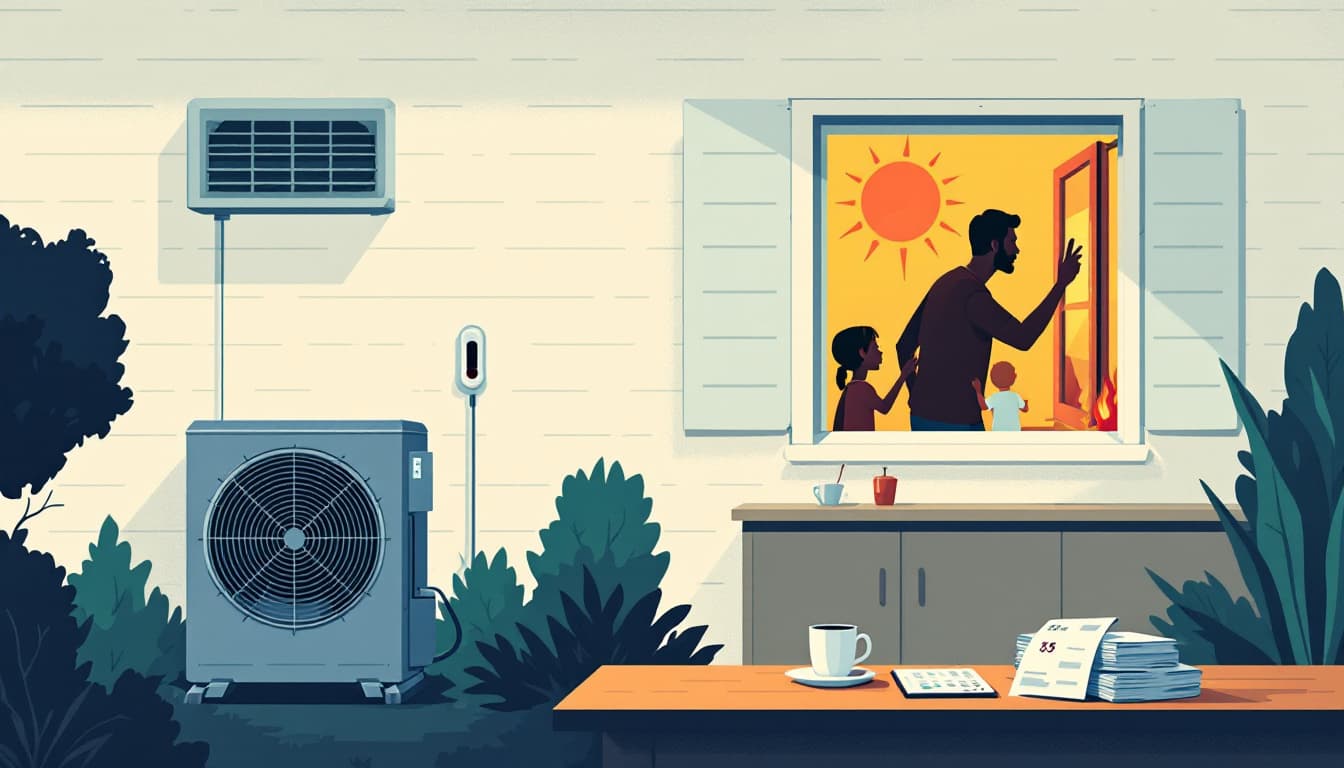
Check your swamp cooler or AC unit this week, not on July 3. If you have an evaporative cooler, monsoon-season humidity reduces its effectiveness significantly — and we're right at the edge of that transition. Make sure filters are clean and the unit is functional while there's still time to call a repair tech. If you're on refrigerated air, set your thermostat to pre-cool the house during off-peak hours (typically before 3 p.m.) to reduce the load during the hottest part of the afternoon.
Store at least one gallon of water per person per day for three days, and keep it accessible. This is the Arizona Department of Emergency and Military Affairs' baseline recommendation, and it remains the right number. The failure mode most households experience isn't shortage — it's that their stored water is in a hot garage in black plastic jugs that have been sitting since 2023. Replace it, and store it somewhere that stays below 90°F.
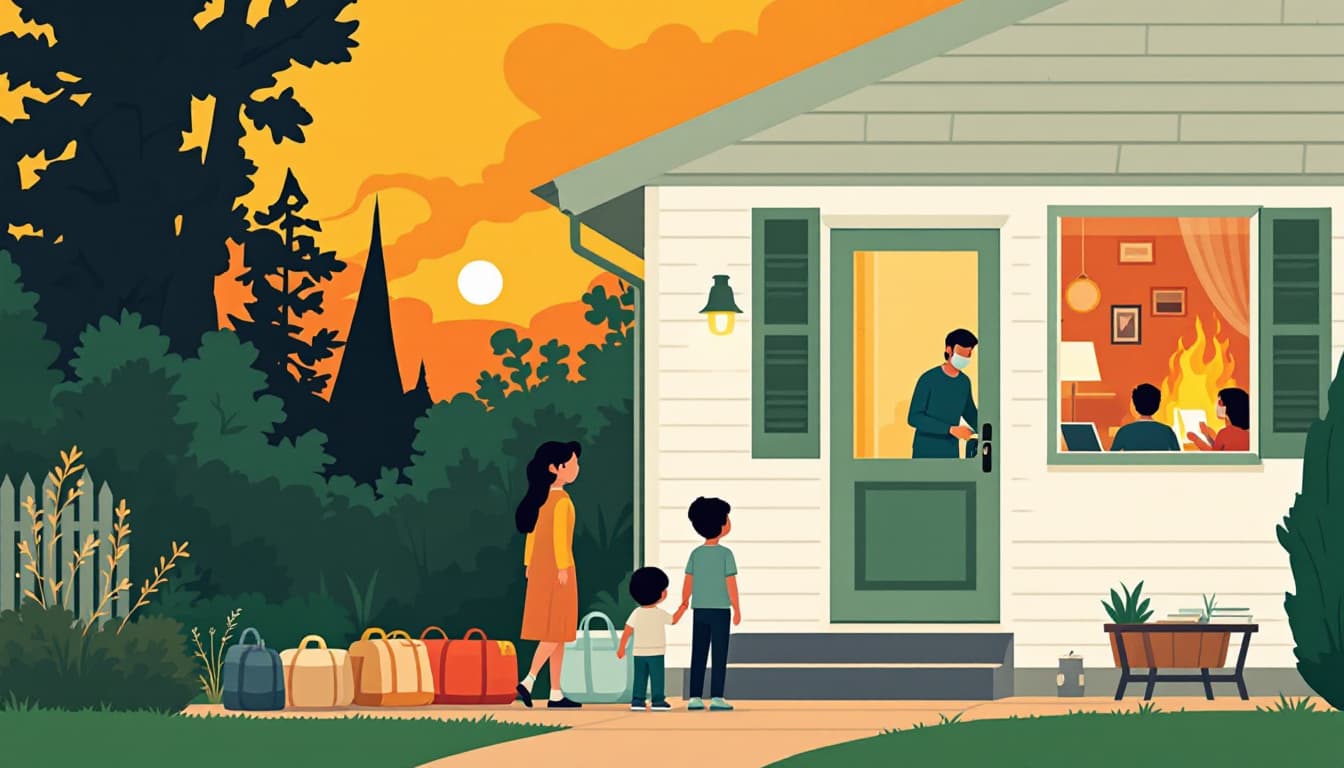
Identify your go-bag trigger point for wildfire. If you live in or near the Prescott National Forest zone, the Tonto Basin, or any of the East Valley communities that edge into desert scrub, this week's wind-then-heat sequence is your reminder to confirm your evacuation route and make sure your go-bag is actually packed. The specific trigger should be a pre-decided condition — "Level 1 evacuation warning in our zone" — not a feeling. Decide now, so you don't decide under stress.
Plan for a 24-hour power outage. A portable battery station (not a gas generator indoors) capable of running a fan and keeping phones charged is enough to change a dangerous situation into an uncomfortable one. If you don't own one, a cooler with ice and a plan to get to a cooling center is a legitimate alternative. The point is to have thought through the scenario before the outage happens at 6 p.m. on July 4.
Check on one neighbor. Specifically, an elderly neighbor or a household with young children. Heat fatalities in Arizona are disproportionately concentrated in people who are isolated. A text or a knock on the door costs nothing.
The bigger picture
Arizona summers have always been extreme. The compounding problem isn't any single element — it's wind setting up fire risk, fire risk threatening air quality, heat arriving on top of it all, and a holiday weekend reducing the institutional response capacity that would normally be in place. None of this is unprecedented. All of it is manageable with preparation that takes an afternoon, not a bunker.
The goal isn't to survive a catastrophe. It's to make sure a bad weather week stays a bad weather week and doesn't become a crisis for your household. That's a low bar, and it's entirely achievable.