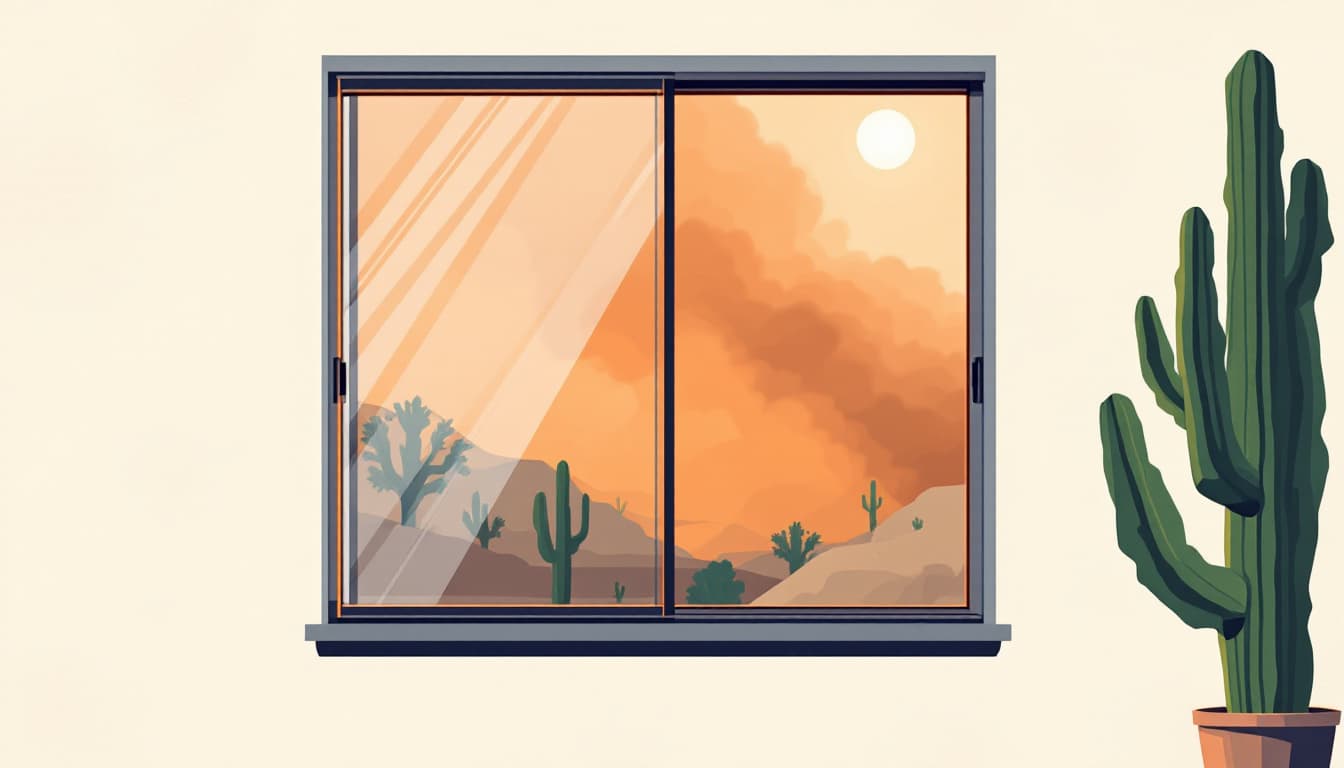
A thunderstorm cell drops over the Sonoran Desert, churns up a wall of particulate matter, and by the time the haboob reaches the Valley of the Sun, it's already crossing the state line toward Nevada. A Las Vegas Review-Journal report this week documented exactly that sequence — an Arizona monsoon storm triggering a dust advisory for the Las Vegas Valley. The dust didn't care about the border. Neither do the fine particles lodged in the lungs of anyone who was outside when it hit.
For Arizona households, this is a useful mirror. If our storms are degrading air quality two states over, they're certainly degrading it here first.
What's actually changing
Arizona's monsoon season runs roughly June through September, with peak intensity in July and August. The storms are not new. What's shifted over the past decade is the combination of factors that determines how bad each haboob gets: drought conditions leave more loose topsoil exposed, and the Phoenix metro's continued outward expansion means more disturbed, unanchored soil at the urban fringe in areas like Queen Creek, Buckeye, and Surprise.
The Arizona Department of Environmental Quality monitors PM10 — coarse particulate matter — during dust events, and the agency issues Dust Storms Possible alerts that don't always make it to household awareness before the wall arrives. The fundamental problem is speed. A haboob can travel at 30 to 60 miles per hour. A family with 20 minutes of warning is doing well.
The secondary problem is cumulative exposure. A single dust event is an inconvenience. Multiple events per monsoon season, year after year, with inadequate filtration at home, adds up. Valley fever — caused by a fungus that lives in Arizona soil and becomes airborne during dust events — infects tens of thousands of Arizonans annually, according to CDC tracking data. Many cases are misdiagnosed as flu or pneumonia for months.
What we'd actually do
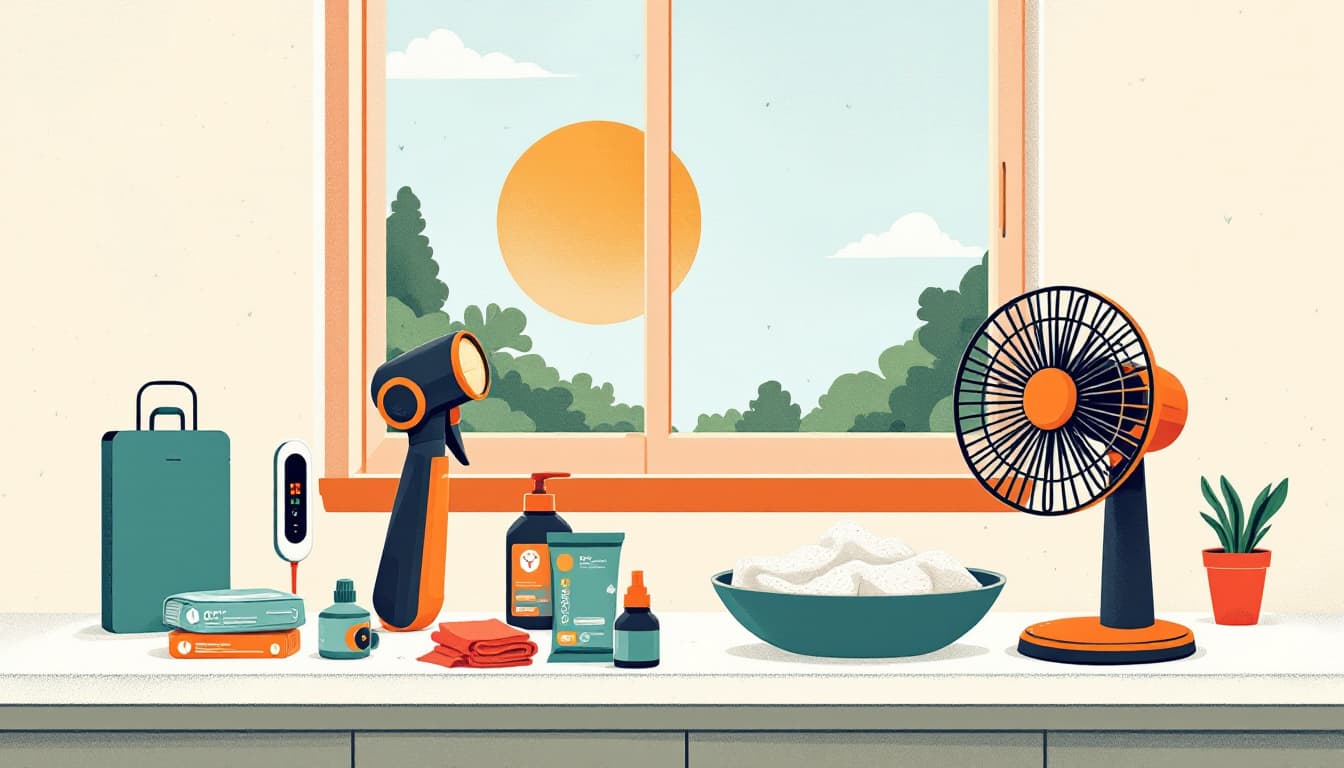
Check your HVAC filter and replace it before the next storm, not after. A MERV 8 filter catches some dust particles; a MERV 11 or 13 catches significantly more of the fine particles that trigger respiratory symptoms and carry Coccidioides spores. Most Arizona households run their systems hard in summer but never check the filter until airflow drops noticeably. Buy two spares now so you're not driving to a hardware store mid-storm.
Set up weather alerts specifically for dust, not just thunderstorms. The National Weather Service office in Phoenix issues Dust Storm Warnings (immediate danger) and Blowing Dust Advisories (elevated risk) as separate alert types. Open your phone's weather app or the NWS app and verify that both alert categories are enabled. Most default weather apps show only the top-tier warnings. The advisory-level alerts are the ones that give you lead time.
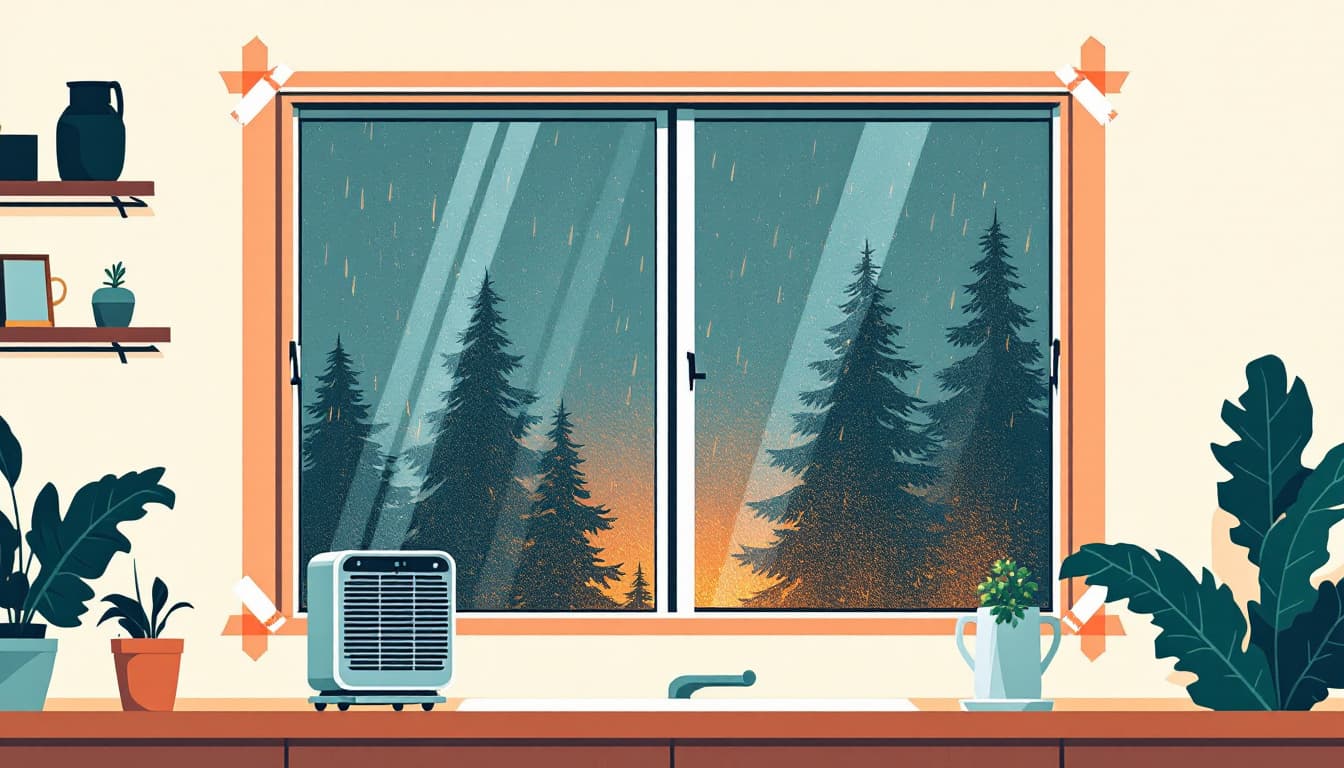
Identify one interior room with the fewest window gaps and designate it your shelter-in-place room. Older Arizona homes, particularly block construction from the 1970s and 1980s in Tempe, Mesa, and Chandler, often have gaps around window frames that let fine particles seep in even with windows closed. Pick one room, keep a roll of painter's tape there, and know you can reduce infiltration quickly. This costs nothing until you use it, and it's the same room you'd use for a chemical spill shelter-in-place.
Keep a small supply of N95 masks accessible, not stored. Not in the go-bag in the garage — in the house, near the front door or in a kitchen drawer. During a fast-moving haboob, the realistic scenario is that someone is getting out of a car in the driveway when the wall hits. An N95 worn for a three-minute sprint to the door is not dramatic prepping; it's basic harm reduction. A box of 10 runs under $15 at most hardware stores.
Know the Valley fever symptom pattern before you need it. Fatigue, cough, and fever appearing two to three weeks after significant dust exposure warrants a specific conversation with your doctor — not a general "I've had a bug." Tell them you're in Arizona and you've been exposed to dust. The standard chest X-ray often looks like pneumonia. A blood test for Coccidioides antibodies is what confirms it. Early identification shortens the treatment timeline significantly.
The bigger picture
Arizona households have lived with dust storms long enough to treat them as scenery. That familiarity is the hazard. The goal of preparedness isn't to fear haboobs — it's to reduce the accumulation of small harms that add up across a season and across years. A clean filter, the right alerts turned on, and an N95 near the door are not dramatic measures. They're the difference between a storm being a nuisance and a storm being a medical event.
Durable households don't brace for the apocalypse. They handle Tuesday.