Three years ago, the WTO's appellate body — the mechanism that actually enforces trade rulings between countries — was functionally dead. No quorum. No binding decisions. Countries in a trade dispute had an international court with no judges. A Bruegel report published this month outlines a serious proposal to change that, arguing for structural reforms that would restore the organization's ability to referee global commerce.
For most households, "WTO reform" sounds like something that happens to other people. It isn't.
What's actually changing
The WTO's dispute system matters to your grocery bill and hardware budget for a specific reason: without enforceable rules, countries reach for unilateral tariffs faster. When a trade spat between two major economies has no neutral arbiter, it escalates. Those escalation costs move through supply chains and land on retail shelves, usually within six to eighteen months of the original policy shock.
The Bruegel proposal focuses on restoring a functioning appellate system and updating WTO rules to cover digital trade and subsidies that the original 1994 agreements never anticipated. That's meaningful because the biggest friction points in current global trade — semiconductor export controls, green-energy subsidy battles, agricultural dumping disputes — are exactly the categories where existing WTO rules are weakest.
Here's what that means in plain terms: if the reform effort succeeds, there's a credible mechanism to prevent the kind of tit-for-tat tariff spirals that scrambled appliance, electronics, and building-materials prices over the past several years. If it fails or stalls — which is plausible, because WTO decisions require consensus among 166 member states — the alternative is more bilateral deals, more unpredictable price swings, and more of the supply disruptions that families have been navigating since 2020.
The honest answer is that nobody knows how this plays out. WTO reform has been "imminent" before. What's different now is that several major trading economies have a shared economic interest in restoring rules-based arbitration, because the alternative — a world of purely negotiated bilateral deals — favors large economies over small ones and creates enormous compliance costs for businesses operating across borders.
What we'd actually do
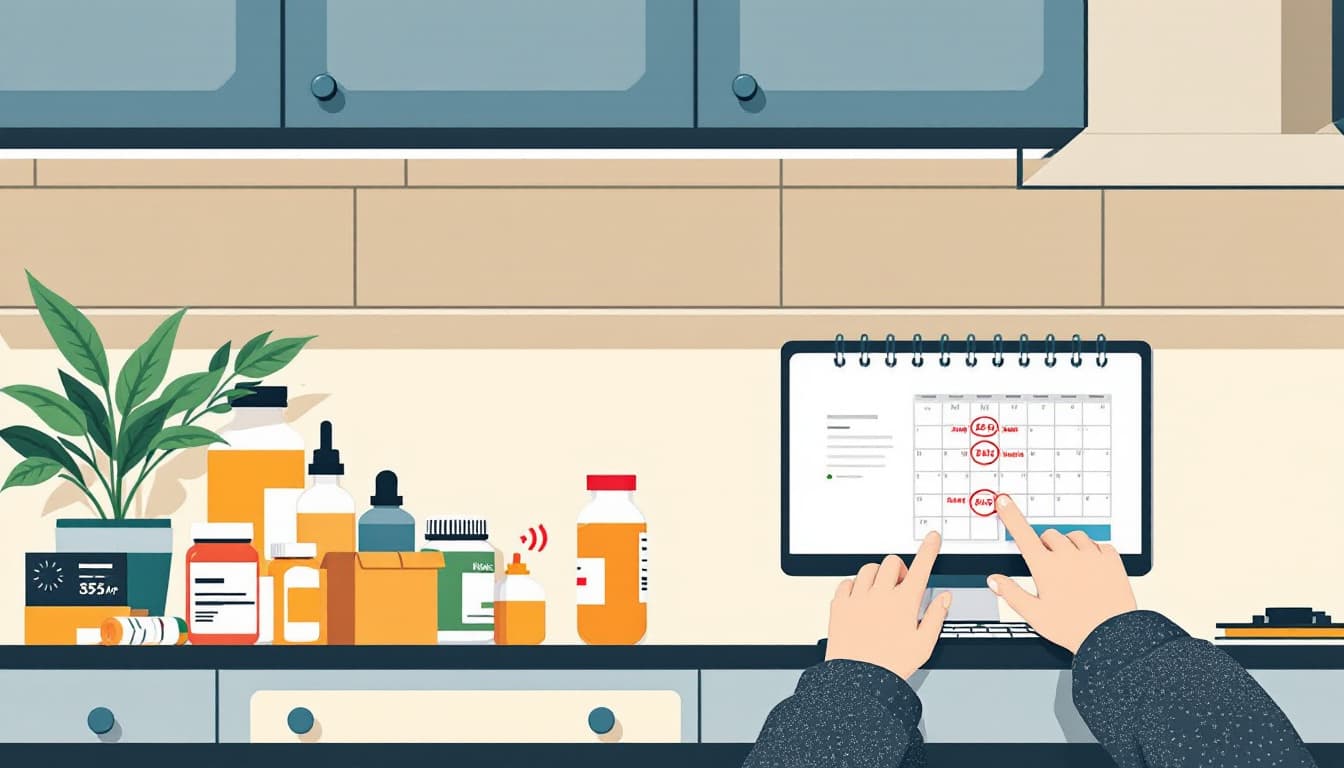
Build a six-month buffer on the categories most exposed to tariff volatility. That means non-perishable food, over-the-counter medications, and basic household consumables — the stuff where a 20-30% price jump would actually hurt your monthly budget. Start with whatever you already use. One extra bag of rice, one extra bottle of ibuprofen, one extra box of pasta per shopping trip adds up to meaningful depth within two months without a single panic purchase.
Watch your appliance replacement timeline. Large appliances — washers, refrigerators, HVAC components — have been among the most tariff-exposed categories in recent years because they contain steel, aluminum, and electronics from multiple countries. If you have an appliance that's showing age, getting a professional evaluation now (not buying, just evaluating) tells you whether you're looking at a discretionary replacement window or an emergency one. Emergency replacements in a tariff-volatile environment are expensive.
Diversify where your household income comes from, even modestly. Trade policy uncertainty hits employment sectors unevenly. Manufacturing, logistics, and retail adjacent to import-heavy supply chains are more exposed than services. This isn't a reason to change careers. It is a reason to think about whether a secondary skill, a small side income, or a professional credential could give your household more flexibility if your primary sector faces sudden cost pressure.
Understand which of your regular purchases are import-dependent. Spend twenty minutes reading the country-of-origin labels in your kitchen and medicine cabinet. Most families are surprised. Electronics, tools, clothing, and certain food categories are heavily import-dependent. Knowing this isn't alarmist — it's the same logic as knowing where your water comes from.
The bigger picture
The WTO reform conversation is a signal that the institutions governing global trade are under real stress and that at least some policymakers recognize that a world without functioning trade rules is worse for everyone, including households that never think about trade policy. Whether reform succeeds or the current fragmentation continues, the lesson for families is the same: durability comes from reducing exposure to single points of failure. A household with a modest pantry buffer, diversified income streams, and a clear-eyed view of where its money goes is more resilient than one waiting to see how the geopolitics resolve.
The goal is not to predict the outcome. It's to be sturdy enough that the outcome matters less.