A record volume of EU-US trade sounds like good news. And in one sense, it is. A report from Awani International in early July 2026 noted that bilateral trade between the European Union and the United States hit all-time highs even as tariff disputes between the two blocs continued to simmer. The trade press is treating this as proof that tariffs haven't bitten hard.
That reading is partially correct and almost entirely incomplete.
What's actually happening
Trade volumes are a lagging signal. Importers on both sides front-loaded orders throughout late 2025 and early 2026, pulling future demand into the present to beat tariff deadlines. Record headline numbers can coexist with rising per-unit costs and thinner margins — costs that eventually move through the supply chain to retail shelves.
The goods flowing at record volumes aren't uniformly distributed. Industrial equipment, pharmaceuticals, and agricultural commodities dominate transatlantic trade. Your household buys some of those indirectly: the drugs your family takes, the fertilizer that priced your groceries, the components in the appliance you're about to replace. When trade economists say "volumes are up," they don't mean "prices are stable."
There's also a timing gap that matters here. Tariffs applied to a shipment in March 2026 often don't show up in consumer-facing prices until July or August, after that shipment clears customs, moves through a distribution center, and gets repriced at the retail level. The record trade numbers reported now likely reflect decisions made when importers were still trying to outrun the tariff schedule.
What comes next is less certain. If tariff negotiations stall or escalate further, the front-loaded cushion runs out. If they resolve, some prices may stabilize. Neither outcome is guaranteed, and any household plan that depends on accurate prediction of trade policy is a fragile plan.
What we'd actually do
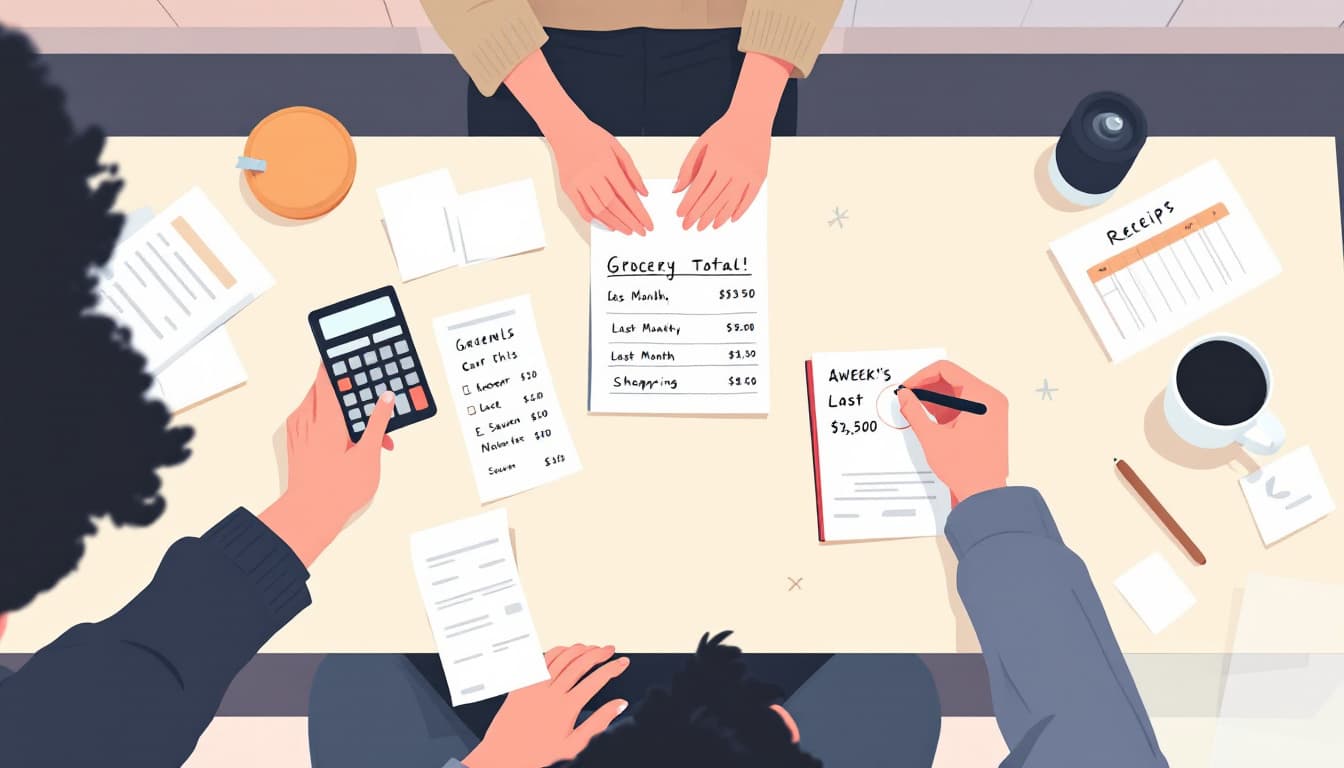
Audit which of your regular purchases are transatlantic trade-exposed. Spend twenty minutes with your grocery and household receipts and flag anything with a European or complex multinational origin: olive oil, specialty cheeses, wine, certain OTC medications, kitchen appliances. This isn't about panic-buying. It's about knowing where your budget is structurally exposed before prices move.
Most families skip this step entirely, which means they absorb price increases reactively rather than planning around them. If you know that your household goes through two liters of imported olive oil a month and you see current prices still at pre-tariff levels, you have a narrow window to buy ahead at the lower price. One extra unit — not a year's supply, just a few weeks' buffer — is a reasonable hedge.
Build a one-month consumables buffer on items with long shelf lives and clear EU exposure. This is basic pantry rotation, not survivalist hoarding. The difference between a prepared household and a panicked one is timing: the prepared household bought its extra bottle of olive oil in June at the old price, not in September when the shelf is half-empty and the price has moved.
Revisit any major appliance purchases you've been deferring. European-manufactured components flow into major appliance supply chains even for US-branded products. Recent BLS data has shown appliance prices moving with import cost indices. If a dishwasher or washer-dryer replacement is in your near-term future, waiting for prices to fall is a bet that trade policy resolves cleanly. That's not a bet we'd take.
Track a narrow set of reliable signals rather than the news cycle. Import price indexes published monthly by BLS are a cleaner leading indicator than trade-volume headlines. If you check one government data source quarterly, that index is worth your attention. It tells you whether the costs importers are paying are rising before those costs land on your receipt.
The bigger picture
Trade records during tariff disputes are not contradictions — they're the economy doing what it always does: racing to lock in conditions before they change. That race eventually ends. When it does, the households with a small buffer of shelf-stable goods, a clear picture of their import exposure, and no debt-financed panic purchases are the ones in the best position.
Durability isn't about predicting what happens next in Brussels or Washington. It's about reducing the number of decisions you have to make under pressure. A pantry with a few extra weeks of headroom removes one pressure point entirely.