On a bad smoke day in a Western city, the air outside can register worse than downtown Beijing during its worst recorded pollution episodes. That is not hyperbole — it is what the AQI numbers show when fire season peaks and wind patterns trap smoke over population centers.
A report this month from The Cool Down puts a longer frame around what many Western families already feel in their throats every summer: wildfire smoke is systematically eroding the clean air improvements the U.S. built over 50 years of environmental regulation. The gains were real and hard-won. The reversal is also real.
What is actually changing
The problem is structural, not seasonal. The regulatory tools that reduced industrial and vehicle emissions still work. But those tools were not designed to address smoke from tens of millions of acres burning across drought-stressed forests. The two trends now run in opposite directions simultaneously: industrial pollution down, wildfire smoke up. Net result, in many Western metros, is that average annual air quality is getting measurably worse despite cleaner cars and cleaner factories.
PM2.5 — fine particulate matter small enough to lodge deep in lung tissue — is the key measure. Short-term spikes during smoke events are the most visible problem, but researchers have begun tracking cumulative annual exposure, and that number has climbed in high-fire-risk states over the past decade. Children, older adults, and anyone with asthma or cardiovascular conditions absorb the most risk.
The geographic spread matters too. Smoke does not stay in the West. Major fire events push particulate plumes into the Midwest and Northeast, sometimes for weeks. The summer of 2023 brought Canadian wildfire smoke to New York and Philadelphia at hazardous levels. This is a national household issue now, not a regional one.
What we'd actually do
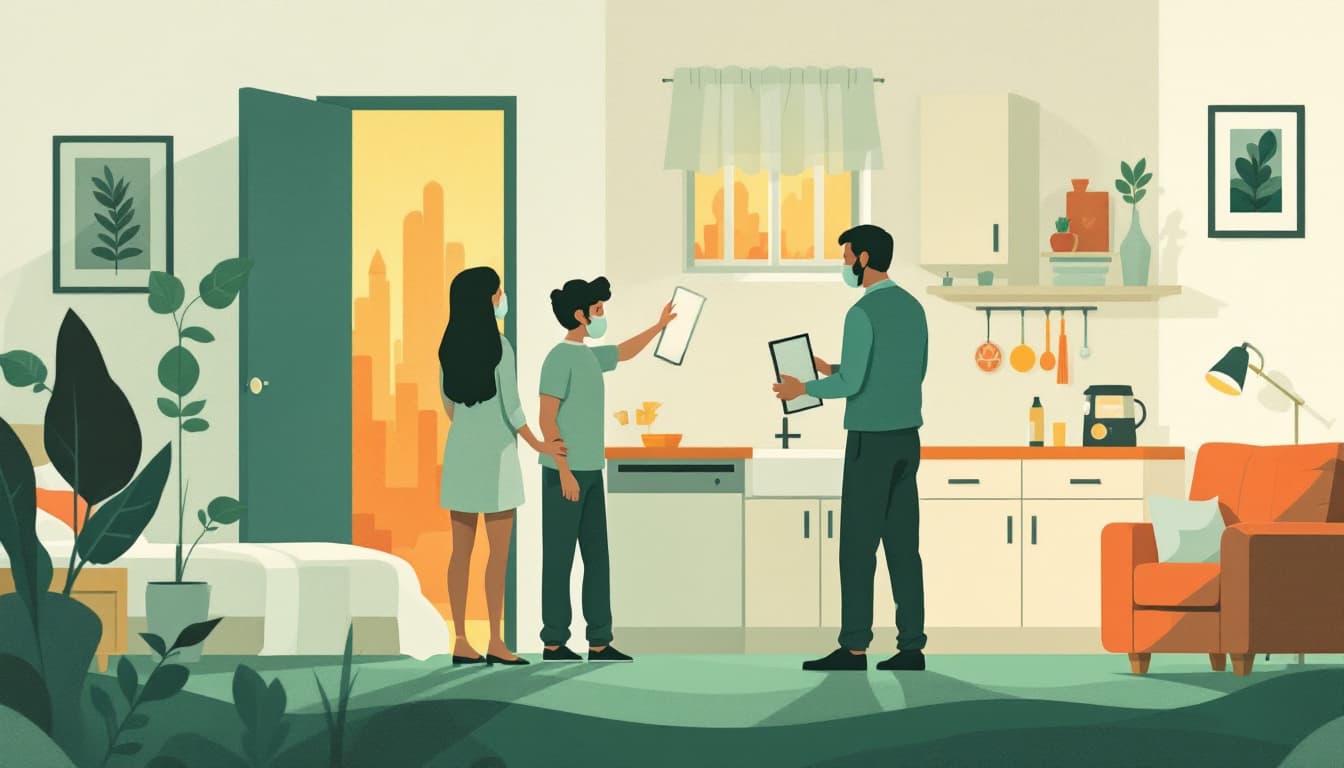
Treat your home's air as infrastructure, not an afterthought. Most households have smoke detectors and carbon monoxide detectors but no air quality monitor. A basic PM2.5 monitor — several reliable options exist in the $50–$100 range — gives you real data about what is happening inside your home, not just the regional AQI reported for your zip code. Indoor air can be significantly worse or better than outdoor readings depending on your home's construction and what you are doing inside it.
Spend one hour auditing your home's air sealing before fire season starts. The primary entry points for outdoor smoke are gaps around windows, door sweeps, attic hatches, and HVAC fresh-air intakes. Weatherstripping and foam backer rod cost almost nothing. Switching your HVAC to recirculate rather than draw outside air during smoke events is free and takes thirty seconds.
Buy one HEPA air purifier sized correctly for your main living space. This is the single most evidence-backed intervention for indoor smoke exposure. The sizing matters: a unit rated for 150 square feet running in a 600-square-foot open-plan space is running at a fraction of its effective capacity. Check the CADR (Clean Air Delivery Rate) on the box, not just the room-size marketing claim. You do not need one for every room — one well-placed unit in the space where your family spends the most waking hours covers the majority of your exposure risk.
Stock N95 respirators the same way you stock over-the-counter medication. A box of 20 N95s costs roughly what a dinner out costs. Surgical masks and cloth masks do not filter PM2.5 at meaningful levels. If you have children old enough to wear a respirator properly, size matters — most adult N95s do not seal on smaller faces. Check that your supply has not degraded; elastics and nose bridges do fail over time.
Know your household's specific risk profile before the next smoke event, not during it. If anyone in your home has asthma, COPD, or a cardiovascular condition, talk to their doctor now about a written action plan for smoke days. Many people end up in urgent care during smoke events because they did not know when to escalate symptoms. A plan agreed on in advance costs nothing and prevents panicked decisions under stress.
The bigger picture
The loss of clean air progress is genuinely bad news, and it deserves to be named plainly. But the household response is not complicated and does not require a bunker or a generator. It requires treating air quality the same way we treat water quality: something worth monitoring, filtering, and thinking about before there is a crisis.
Durability looks like this — a family that knows their indoor air numbers, has a functioning HEPA unit running during smoke events, has N95s in a drawer, and has talked to their doctor about who in the household is most vulnerable. That family is not panicking. They are just prepared.