A WCCS AM1160 & 101.1FM report this week noted that drought conditions across western Pennsylvania are improving. That's genuinely good news for a region that has watched reservoir levels and well yields decline through a dry stretch. The rain returned. The drought maps shifted. Everyone exhales.
Then we forget about it until next time.
That cycle — stress, relief, forgetting — is exactly where most households lose ground on water resilience. The moment drought eases is the best possible time to act, because the problem is fresh and the urgency hasn't yet curdled into paralysis or denial.
What's actually changing
Drought in the Northeast is not a new phenomenon, but its frequency has shifted. The U.S. Drought Monitor, published weekly by the National Drought Mitigation Center, has shown more frequent short-duration drought episodes across Pennsylvania and surrounding states over the past decade. These aren't the multi-year megadroughts of the Southwest. They're 6-to-14-week stress periods that strain private wells, pressure municipal water systems to restrict outdoor use, and expose households who assumed the tap was infinitely reliable.
Western Pennsylvania's geology matters here. A significant share of rural and semi-rural households in the region depend on private wells. When a shallow aquifer is drawn down by dry conditions plus heavy demand, recovery isn't instant even after rainfall resumes. Neighbors on the same ridge can have wildly different recovery timelines depending on well depth and casing age.
Municipal customers aren't insulated either. Surface reservoirs that feed public systems take weeks to recharge after extended dry periods, and treatment plants operating near capacity during peak summer demand have less cushion than their annual averages suggest.
What we'd actually do
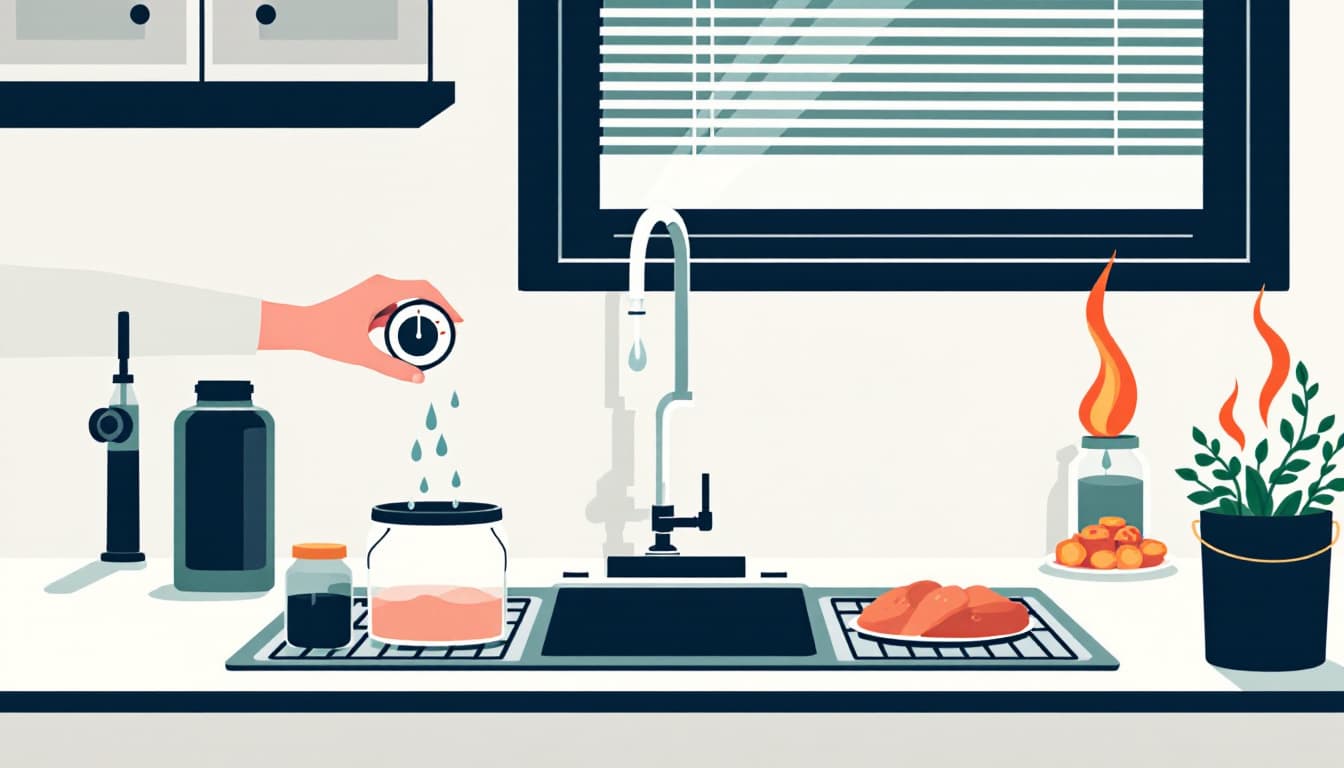
Get a current baseline on your water source now, while conditions are recovering. If you're on a private well, have the water tested — not just for contamination, but for flow rate. A well that yielded 5 gallons per minute three years ago may be delivering 2.5 during a stress period. Knowing your actual yield, not your assumed yield, changes every other decision you make about storage and use. County extension offices in Pennsylvania often maintain lists of certified well testers; costs are generally modest.
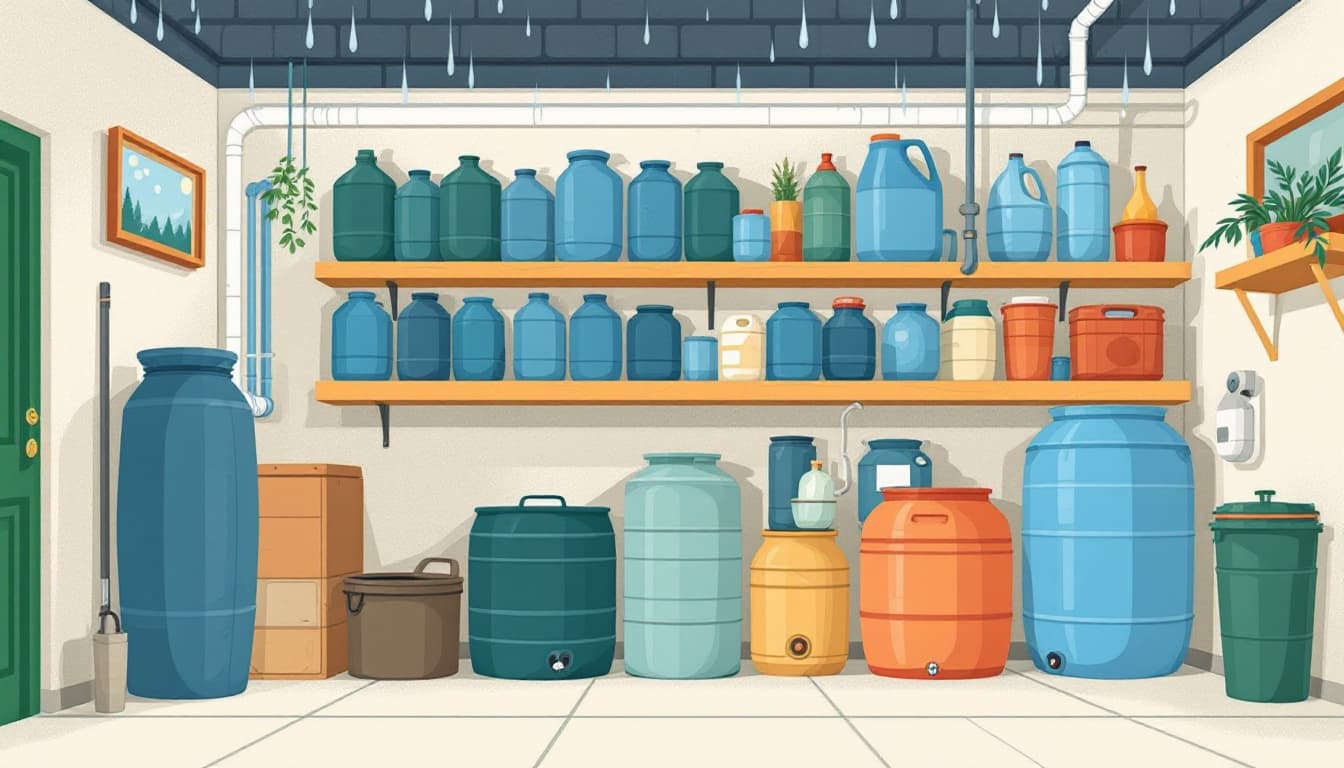
Store 14 days of drinking water, not the standard 72-hour recommendation. The Federal Emergency Management Agency's oft-cited 72-hour guideline was designed around acute emergencies — a flood that passes, a storm that moves through. A drought is a slow emergency. Two weeks of water for your household (roughly one gallon per person per day for drinking and basic sanitation) fits in a modest footprint: four 5-gallon jugs per person stored in a cool, dark location, rotated every six months. That's it. It's not a bunker. It's a utility closet.
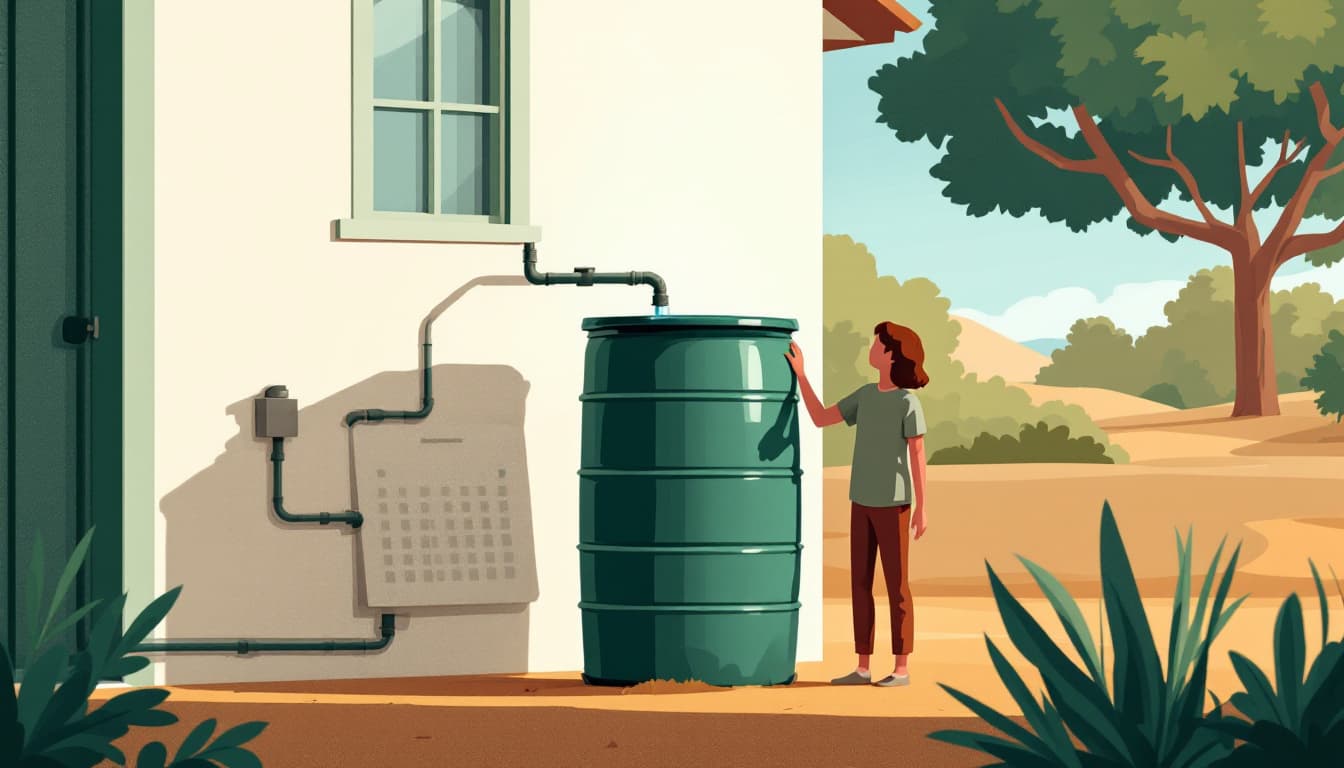
Audit your outdoor water use before next summer's demand peak arrives. The highest household water draw in most Pennsylvania homes isn't showers or laundry. It's irrigation. A simple drip system conversion on a garden bed, or switching to a rain barrel for supplemental watering, reduces your draw meaningfully and delays the point at which a dry stretch starts costing you. Rain barrels are legal in Pennsylvania and cost roughly $30-$80 depending on source.
If you're on a well, talk to your neighbors. This sounds obvious and almost nobody does it. Neighboring households drawing from similar aquifer zones are in a shared situation. During the most recent dry stretch, how many of them had pressure drops? Did anyone's well go dry? That informal network tells you more about your actual risk than any county-level drought map.
The bigger picture
Drought recovery is not drought immunity. Western PA getting rain this week is good. It does not mean the next dry stretch won't arrive in August, or next June, or the year after. The households that weather these episodes without serious disruption aren't the ones who panic-bought water filtration systems when the drought maps turned red. They're the ones who quietly built in redundancy during the calm stretch between events.
Durability isn't about predicting when the next stress arrives. It's about not needing to predict.