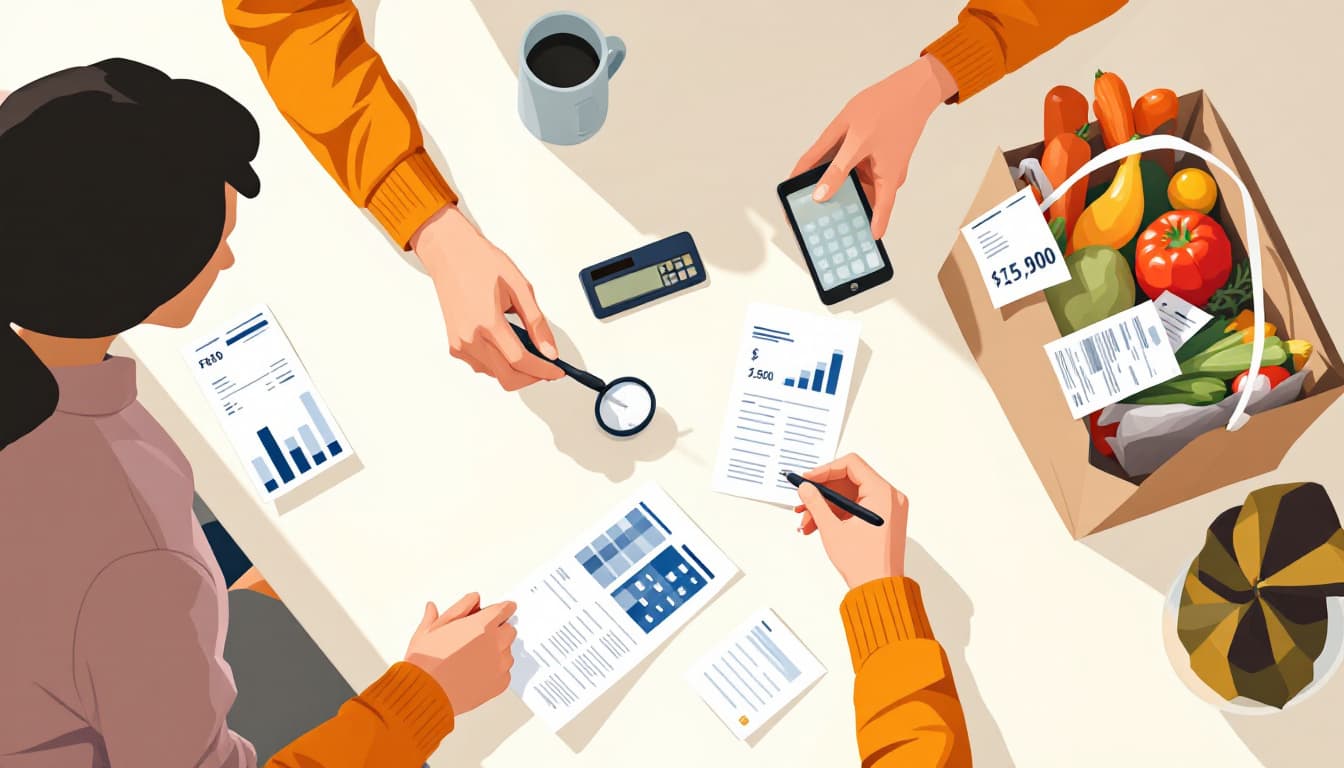
Senator Elizabeth Warren issued a stark warning this week about what she is calling a "food insecurity crisis," citing the simultaneous effect of federal cuts to the Supplemental Nutrition Assistance Program and persistently higher grocery prices driven in part by ongoing tariff policies. The warning was reported by CBS News and comes as Congress has moved forward with reductions to SNAP benefits as part of broader federal spending negotiations.
SNAP currently serves roughly 42 million Americans, and the cuts under discussion — and in some cases already enacted in the 2025-2026 budget reconciliation process — represent one of the more significant rollbacks to the program in recent decades. Warren's office has pointed to USDA data showing that average SNAP benefits per person remain below the actual cost of the Thrifty Food Plan in most metropolitan areas, meaning beneficiaries were already running a deficit before any cuts took effect. At the same time, the Bureau of Labor Statistics has recorded food-at-home prices running well above pre-2021 baselines, with categories like eggs, cooking oils, and processed staples seeing some of the steepest cumulative increases.
The tariff dimension adds a layer that has received less attention in the political framing of the SNAP debate. A significant share of U.S. grocery store products — particularly canned goods, frozen foods, and pantry staples — contain imported components or are imported outright. Tariffs implemented and extended through 2025 and into 2026 on goods from multiple trading partners have raised input costs for domestic food manufacturers, costs that have been passed downstream to retail shelves. Warren's argument, as covered by CBS News, is that cutting benefits while import costs inflate grocery prices creates a pinch at both ends of the household food budget.
What most general coverage of this story won't surface is the structural relationship between SNAP participation rates and regional food bank capacity. When SNAP benefits contract, demand at food banks tends to spike within one to two months, as documented in post-2013 studies following the expiration of the American Recovery and Reinvestment Act's SNAP boost. Food banks operate on thin inventory margins and are themselves subject to the same elevated food costs affecting households — meaning the informal safety net that cushions SNAP cuts is simultaneously under its own financial strain. For households that manage their own food storage as a buffer against supply disruptions or income shocks, this dynamic is a useful reminder that the community-level backstop is not infinitely elastic. Our review of long-term food storage options examines how caloric density and shelf life factor into practical household resilience planning.
The political outlook for reversing the cuts remains uncertain. Warren and a coalition of Democratic lawmakers have called for a legislative fix, but with the current congressional composition, passage faces steep odds before any new benefit reductions fully phase in. Advocacy groups including the Food Research & Action Center have projected that the cuts could push several million additional households into food insecurity by mid-2027 if grocery price inflation does not meaningfully decelerate.