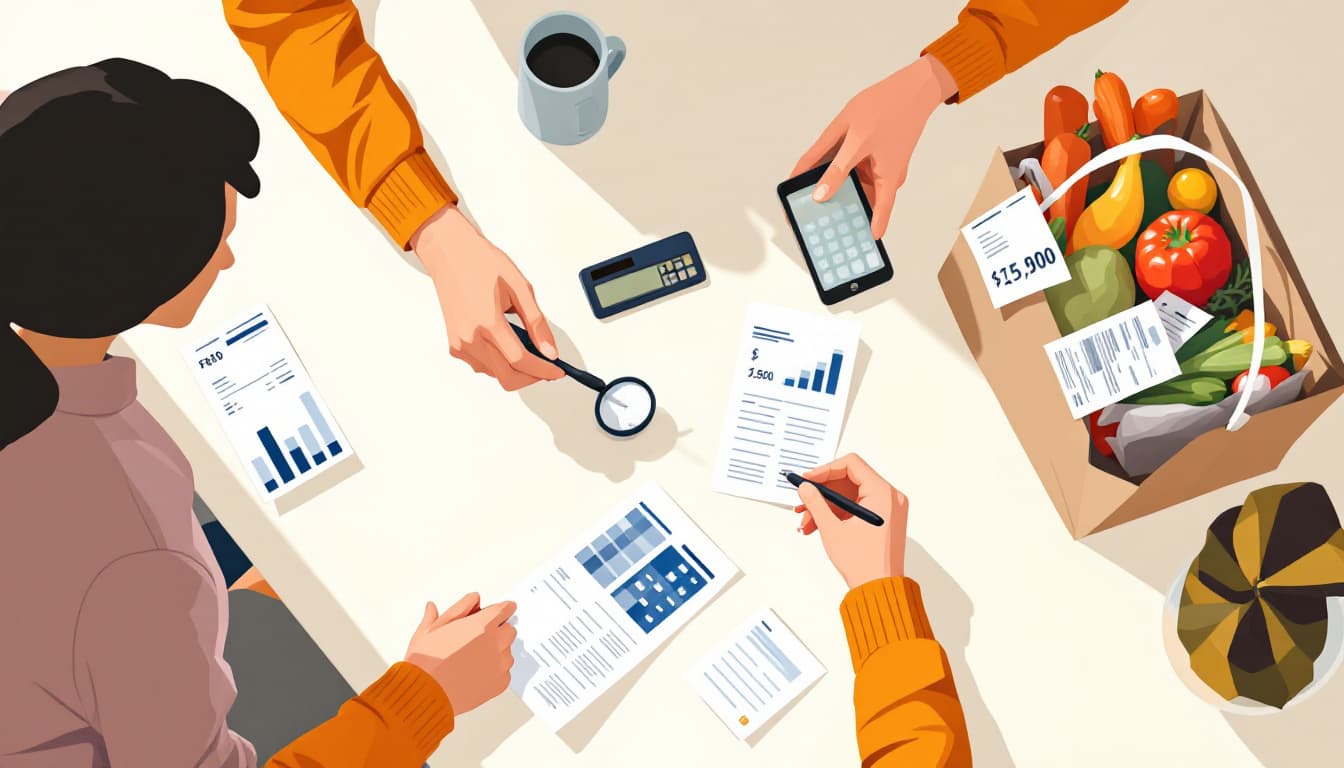
A report published this week by MoneyLion warns that grocery staples are expected to rise in price as the cumulative effects of tariff policies continue to work their way through domestic food supply chains. The outlet identifies core household grocery categories — the kinds of items that appear on virtually every shopping list — as particularly exposed to the price pressure now building heading into the fourth quarter of 2026.
While tariff discussions have dominated headlines for well over a year, the MoneyLion piece signals that the consumer-facing impact is entering a more concrete phase. Earlier rounds of import duties primarily affected electronics and durable goods; analysts are now pointing to food and agricultural imports — including ingredients, packaging materials, and processed staples — as the next tier where costs are being passed directly to retail shelves. The mechanism is straightforward: tariffs raise the landed cost of imported goods or of domestic goods that rely on imported inputs, and food manufacturers and grocers have limited ability to absorb those margins indefinitely.
The timing matters because fall is historically when grocery retailers finalize contract pricing for the holiday quarter, meaning price adjustments negotiated now tend to lock in for several months rather than fluctuate week to week.
What general coverage of this story tends to skip is the category-level distribution of that impact across long-shelf-life goods specifically. Staples like canned tomatoes, cooking oils, dried legumes, and wheat-based products frequently rely on either imported raw ingredients or imported packaging components — canned goods, for instance, depend on tin plate steel, a category subject to metals tariffs. Seasoned food-storage observers have noted in prior tariff cycles that these durable staples tend to absorb cost increases more slowly at retail but then hold elevated prices longer, because their turnover cycles and contract structures differ from fresh produce. That lag-then-stick pattern means the price environment for the exact items most associated with longer-term pantry depth may be entering a period of sustained elevation rather than a temporary spike.