Pull out your credit card statement from any recent month and run a highlighter across every line item that gives you access to something rather than ownership of it. The streaming services are obvious. The software subscriptions too. But keep going. The water softener you lease. The security system where the monitoring contract is the real product. The propane tank you rent from the supplier who also locks you into their pricing. The router the cable company charges you $15 a month to borrow.
For most households, the highlighted section is larger than expected — and almost none of it was a conscious decision.
This is not a piece about subscription creep, which we have already covered. It is about something more structural: the difference between access and ownership as a resilience variable, and why the ratio matters in ways that have nothing to do with frugality.
The framework: ownership as optionality
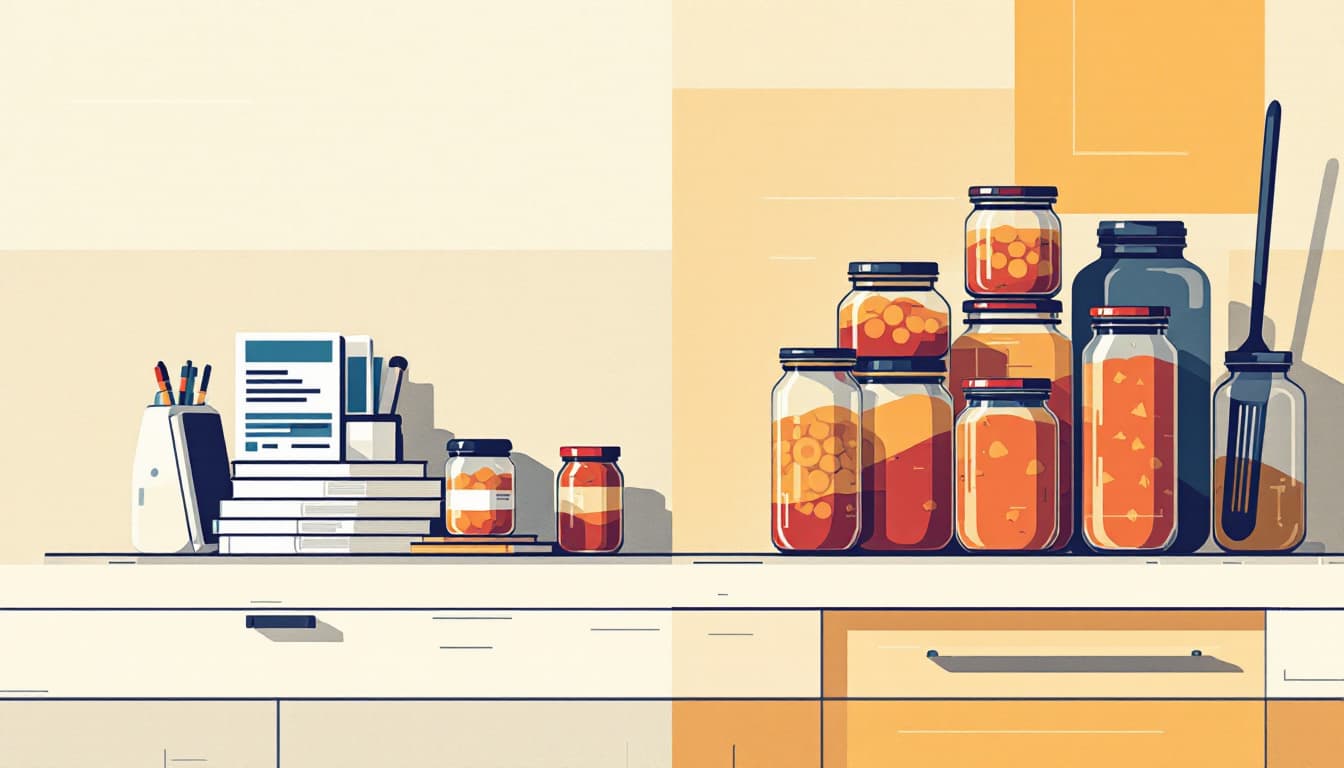
Here is the core idea. When you own something outright — a hand-powered grain mill, a quality chef's knife, a paid-off chest freezer, a physical book — that thing is available to you unconditionally. It does not depend on a company remaining solvent, a price staying affordable, an internet connection staying live, or a contract renewing on favorable terms.
When you rent or subscribe to something, you are purchasing access under conditions you do not control. That access can be repriced, degraded, discontinued, or bundled with things you did not want. It is not bad by definition — renting has genuine advantages — but the terms belong to someone else.
Resilience, at the household level, is largely a function of how many critical capabilities you hold unconditionally versus conditionally. An emergency that disrupts cash flow, connectivity, or supply chains does not strip conditional access evenly. It strips it fast.
Why most people get this wrong
The bias runs in one direction: toward access. Renting or subscribing usually has a lower upfront cost, and upfront cost is the number most households optimize. The $0-down water softener lease feels smarter than the $800 purchase when cash is tight. The monthly fee for the chest freezer's extended warranty feels responsible. Each individual decision is defensible.
The problem is that the decisions accumulate invisibly. Nobody sits down and says, "I am going to rent my home security, my water treatment, my entertainment, my office software, my yard equipment, and my cooking knowledge from subscription meal kits." It just happens, line by line, over years. And the household that looks perfectly equipped from the outside is actually running almost everything on conditional access.
This matters most during exactly the kind of disruption a prepared household is supposed to weather: a job loss, a prolonged illness, a regional supply shock, a stretch of months where cash is genuinely tight. In those moments, every subscription is a decision point. Every lease is a negotiation you may not win.
There is also a knowledge dimension that rarely gets named. When a capability is delivered as a service, the underlying skill tends to atrophy. The household that subscribes to meal kit delivery is also, over time, the household that has lost fluency with raw ingredients and unit pricing. Ownership tends to build competence. Access tends to outsource it.
What to do this week
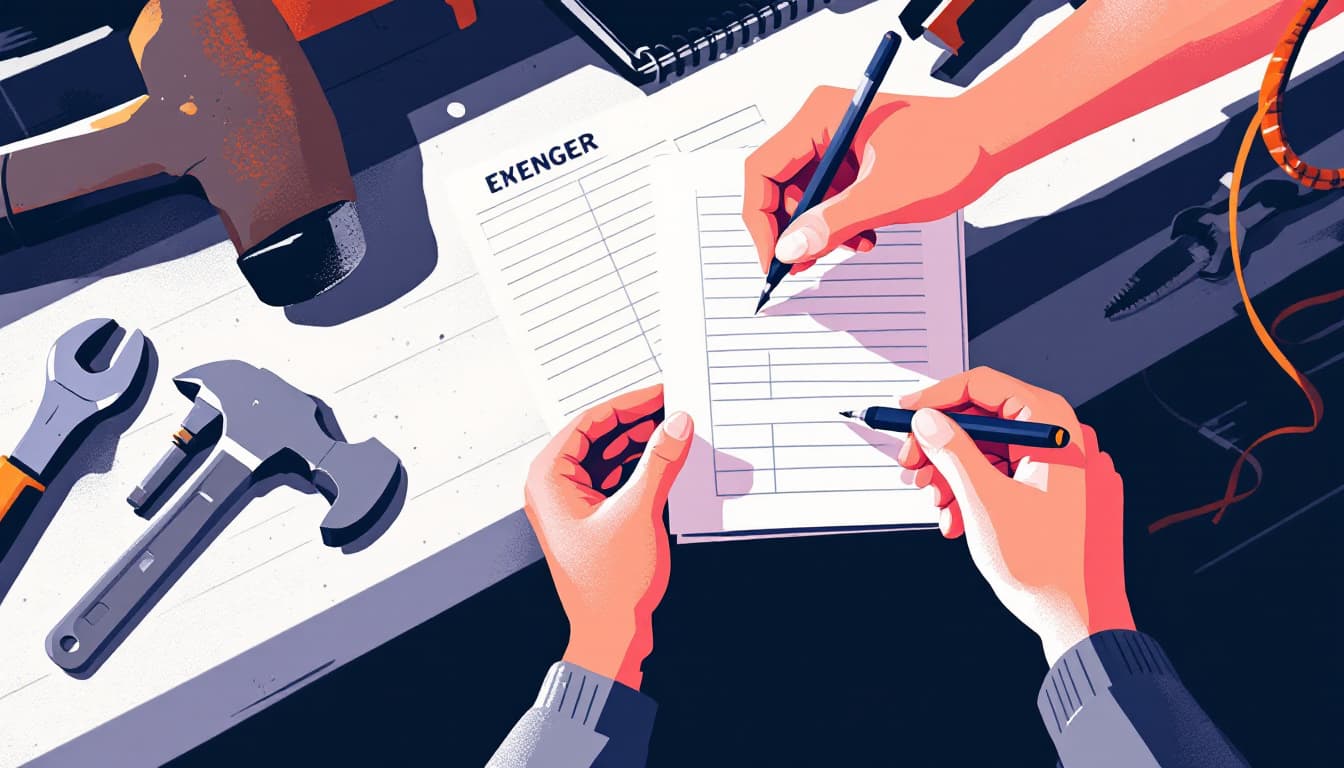
Step one: build the map. Pull every bank and card statement from the last 90 days. Create two columns: things you own outright and things you are paying for access to. Be strict about this. A "free" app that requires your account to function is not owned.
Step two: sort by criticality. Of your conditional-access items, which ones involve a capability that would actually matter during a 30-day income disruption or a two-week infrastructure problem? Heat, water treatment, food storage, communication, security. These are the ones worth examining first. Streaming and software can usually be cancelled quickly. A leased propane tank tied to your only heat source is a different conversation.
Step three: pick one item to convert. Not everything — this is not about austerity, and replacing every subscription at once is neither practical nor smart. Pick one conditionally-held capability in the critical tier and identify what owning that capability outright would cost and look like. The propane tank, the water filter, the router. One. Price it out. Decide deliberately.
The goal is not to own everything. It is to own the things that matter unconditionally, and to know clearly which things you do not.
The bigger picture
Resilience is not about having more stuff. It is about the conditions under which the stuff you have remains available to you. A household with fewer things it owns cleanly can be more fragile than it appears, and a household with modest possessions that are genuinely unconditional can be remarkably stable.
The owned-versus-rented audit is not a one-time project. The ratio drifts over time, always in the same direction, unless someone is watching it deliberately. That someone is you.