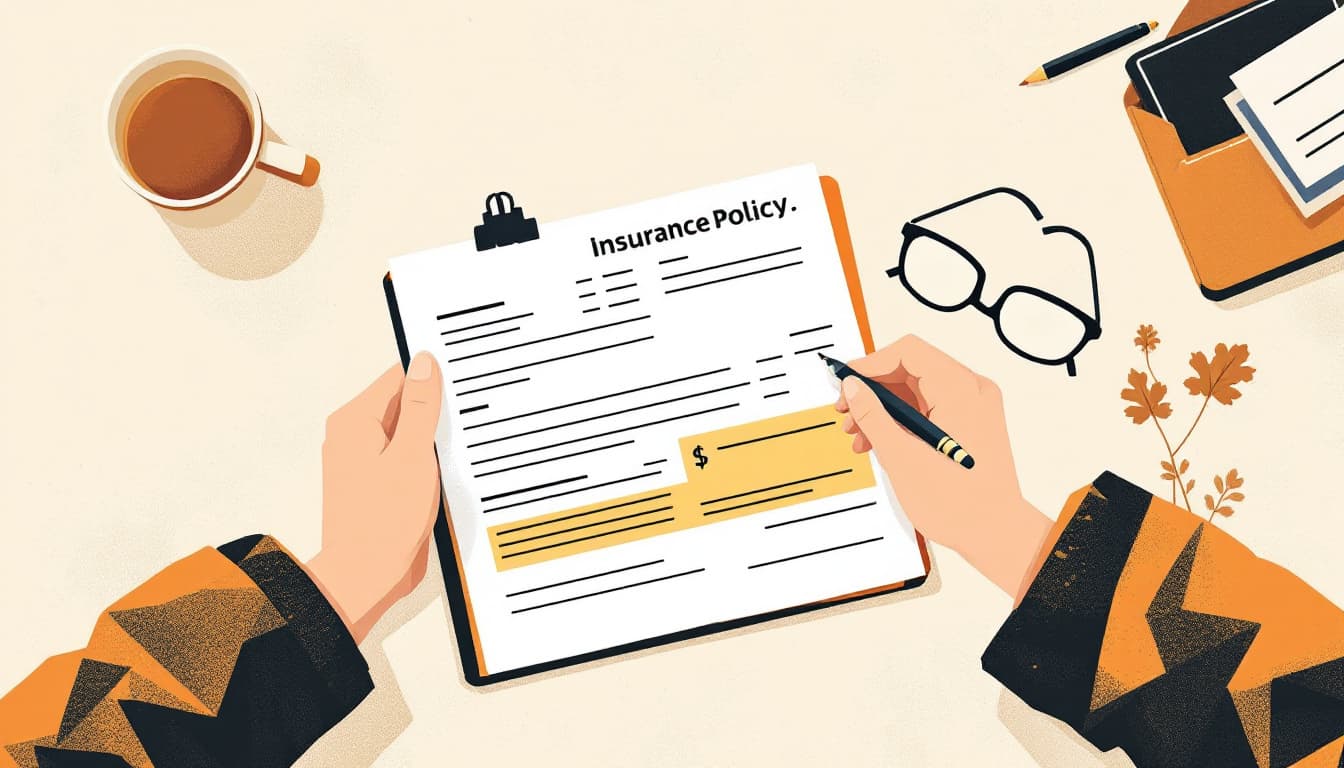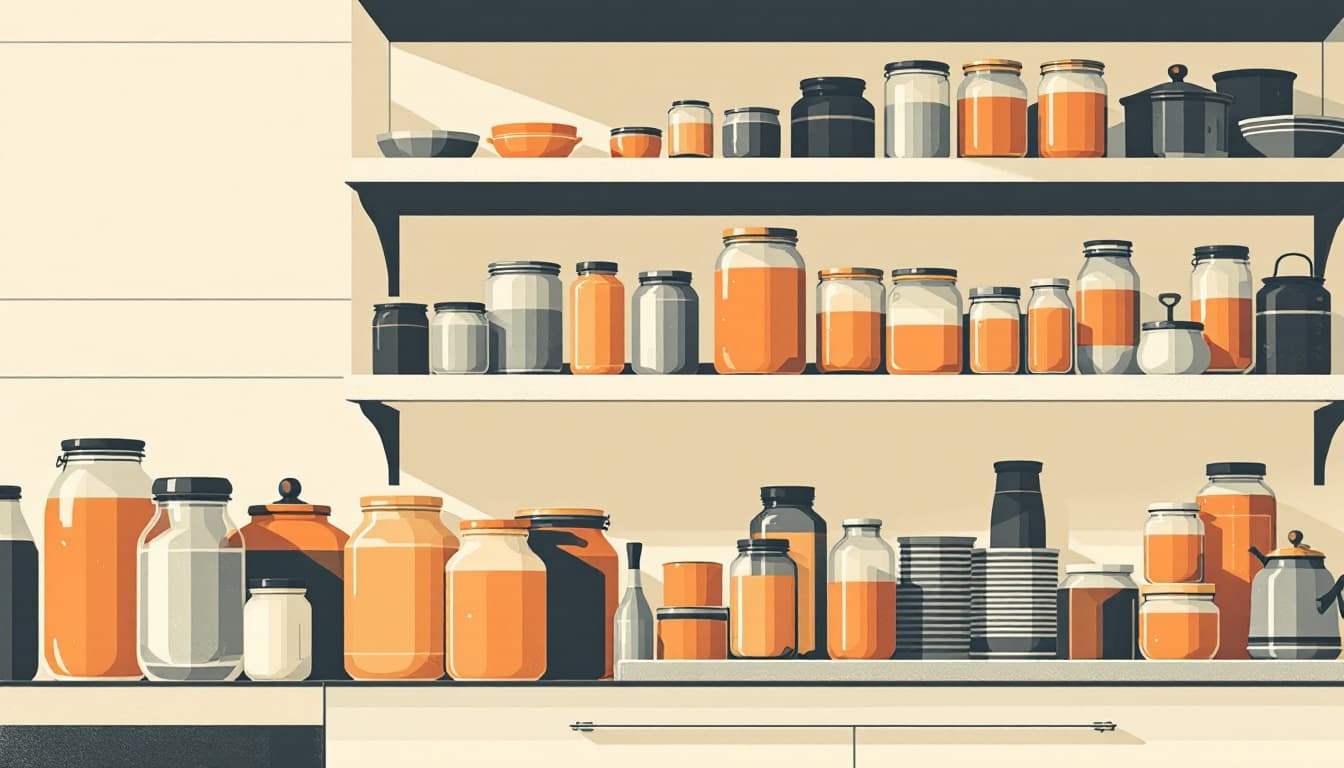
A family in suburban Colorado spent roughly $4,000 over two years building what they described on a preparedness forum as a "one-year food supply." They had done the math — calories per day, protein ratios, rotation schedules. The spreadsheet was impressive. Then, eight months in, the husband's employer eliminated his position. The family's actual problem, for the next four months, was not calories. It was rent, a car payment, and a pediatric copay that arrived the same week. The pantry could not be liquidated without a deep discount to a neighbor who paid them $180 for the lot.
This is not a story about over-preparing. It is a story about asset allocation — and most households doing preparedness work are allocating badly without knowing it.
The liquidity spectrum in preparedness spending
Every dollar you spend on resilience sits somewhere on a liquidity spectrum. At one end are assets that can be converted back to cash quickly and at close to face value: a larger checking account buffer, an established money-market position, a paid-off revolving credit line. At the other end are assets that are nearly illiquid in an emergency: a chest freezer stocked with custom meal kits, a year's worth of freeze-dried entrees, a generator sized for a whole house.
This is not new economics. Portfolio managers have thought about liquidity versus yield tradeoffs for decades. What preparedness culture has never done well is apply that same framework to household resilience assets. The default posture in serious prepper communities treats physical stockpiles as unambiguously good — more is always better, illiquidity is a feature rather than a bug (because you cannot spend what you cannot liquidate), and cash savings are somehow softer or less serious than tangible goods.
That logic has a narrow domain of validity. For scenarios where the financial system itself is disrupted — a regional banking freeze, a truly catastrophic supply-chain collapse lasting months — physical goods do outperform cash. But those scenarios represent the thin tail of actual household emergencies. Job loss, medical expenses, a major car repair, a home insurance gap: these are the statistically dominant disruptions that middle-class families face, and they all require liquid capital. Recent household finance surveys consistently show that the majority of American families could not cover a $1,000 unexpected expense from savings. The preparedness community's answer to that — more canned goods — is a category error.
Why this counterintuition is hard to internalize
There are two reasons the liquidity trap is easy to fall into.
First, physical preparedness spending feels more like preparedness. A shelf of food is visible, countable, photographable. An emergency fund in a high-yield savings account is abstract. The behavioral economics here is straightforward: tangible goods trigger a sense of security that financial instruments do not, regardless of which one is more useful in the most probable emergency.
Second, the scenarios that make physical goods essential are also the scenarios with the highest narrative intensity. A grid-down event or a pandemic-level supply shock is vivid and memorable, even if statistically rare. Job loss is boring. We plan for the movie, not the spreadsheet.
The result is households that are, in a specific technical sense, over-invested in illiquid resilience assets and under-invested in liquid ones. Their preparedness ratio looks strong on a calories-per-person basis and weak on a "can we cover three months of fixed expenses without selling anything" basis.
A more useful accounting
The framework worth adopting is simple: before extending any illiquid preparedness asset — more food storage, more gear, a bigger generator — ask what your liquid resilience buffer looks like. If you do not have three months of fixed household expenses in genuinely accessible cash or cash equivalents, that gap is almost certainly a higher-probability risk than the scenario the physical asset is hedging against.
Once that buffer exists, illiquid assets start making more sense. They genuinely do reduce grocery volatility, hedge against localized supply disruptions, and provide real utility in extended emergencies. The pantry is not worthless. It is just not first.
One practical tool: if you are trying to figure out whether your water and food stores are actually sized correctly for your household before adding more, our water and food calculator can tell you where you stand without encouraging you to keep growing inventory for its own sake.
The Colorado family rebuilt. The husband found work within four months, and they started over — this time with six months of liquid savings before they bought a single can of anything. They told the forum that the food had made them feel prepared and the savings actually made them prepared. It is a distinction worth sitting with.