A family of four spending $300 a week on groceries at the start of 2024 is likely spending closer to $340 now on the same basket. That's not a dramatic headline. It's a slow grind — and according to a recent RFD-TV report, it isn't stopping. Food inflation forecasts for the back half of 2026 remain elevated, with protein, dairy, and shelf-stable staples continuing to absorb supply-chain and input-cost pressures.
The question isn't whether prices are going up. They are. The question is what a household can actually do about it without going full bunker.
What's actually happening
Food inflation is not one thing. It's a combination of commodity prices, fuel costs (which move groceries), labor costs at processing plants, and retail margin decisions. Recent USDA forecasts have flagged beef, eggs, and certain canned goods as categories likely to stay elevated through at least the end of the year. Eggs have already had their own headline cycle. Beef has climbed steadily as herd sizes — which take years to rebuild — remain historically low.
None of this is a sudden shock. That's exactly what makes it harder to manage: it's persistent, not acute. Families adjust spending incrementally, cutting corners here and there, until the budget math stops working and they can't identify where it broke.
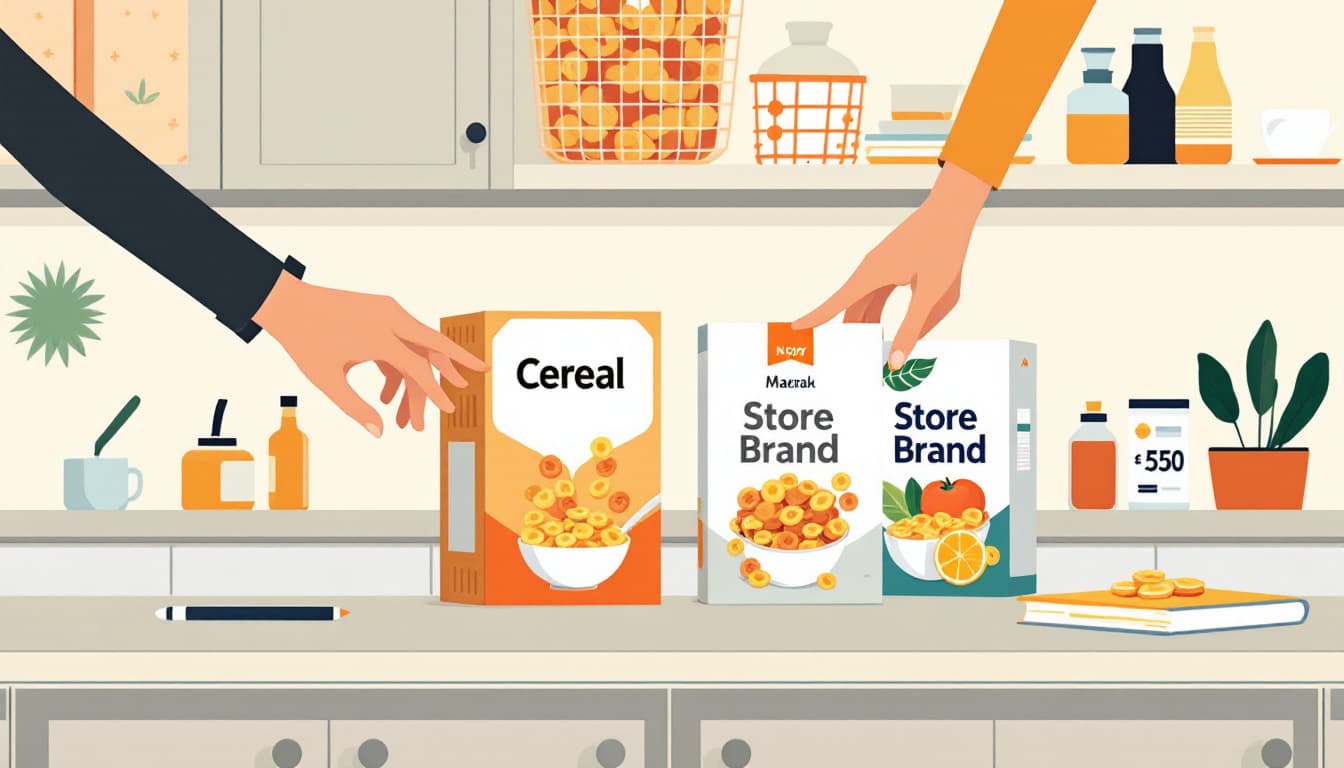
The other dynamic worth naming: grocery store formats are diverging. Discount grocers are pulling higher-income shoppers who've never shopped there before. Premium formats are quietly shrinking SKUs. The mid-market store is getting squeezed from both directions, which means store-brand availability and pricing at conventional grocers is shifting faster than most shoppers realize.
What we'd actually do
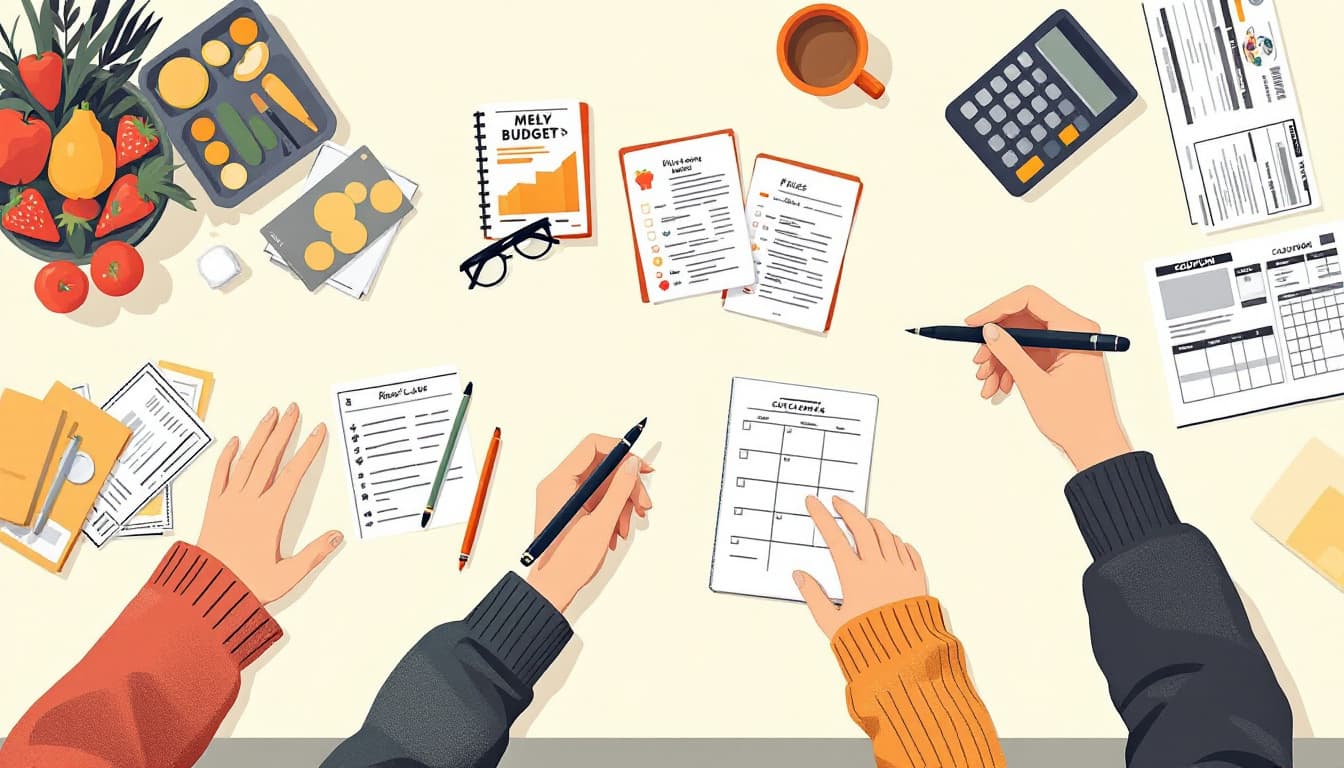
Build a price anchor list for the 20 items your family buys every week. Write down what you paid last month for your 20 most-purchased items. Not the sale price — the regular shelf price. Date it. Do the same thing in 90 days. This gives you a personal inflation tracker for your actual diet, which is more useful than any national average. It also tells you exactly which categories are moving and which aren't, so you can make substitution decisions with real data instead of vibes.
Shift 10–15% of your monthly grocery budget into shelf-stable versions of what you already eat. This isn't about survivalism. It's about buying ahead of price increases on items you will definitely consume. If your family goes through two cans of black beans a week, buying a month's worth when the price is where you can live with it is just rational household economics. The math works as long as you're buying things you'd buy anyway — not specialty preparedness items you'll never touch.
Evaluate your protein rotation right now. Beef and chicken have both seen significant cost pressure. Eggs have partially stabilized but remain volatile. Canned fish — tuna, sardines, salmon — has not risen at the same rate and delivers comparable protein per dollar. Lentils and dried beans are still cheap. A family that builds two to three non-meat protein meals per week into its regular rotation doesn't have to think of it as sacrifice; it's just a different menu that saves $40–60 a month.
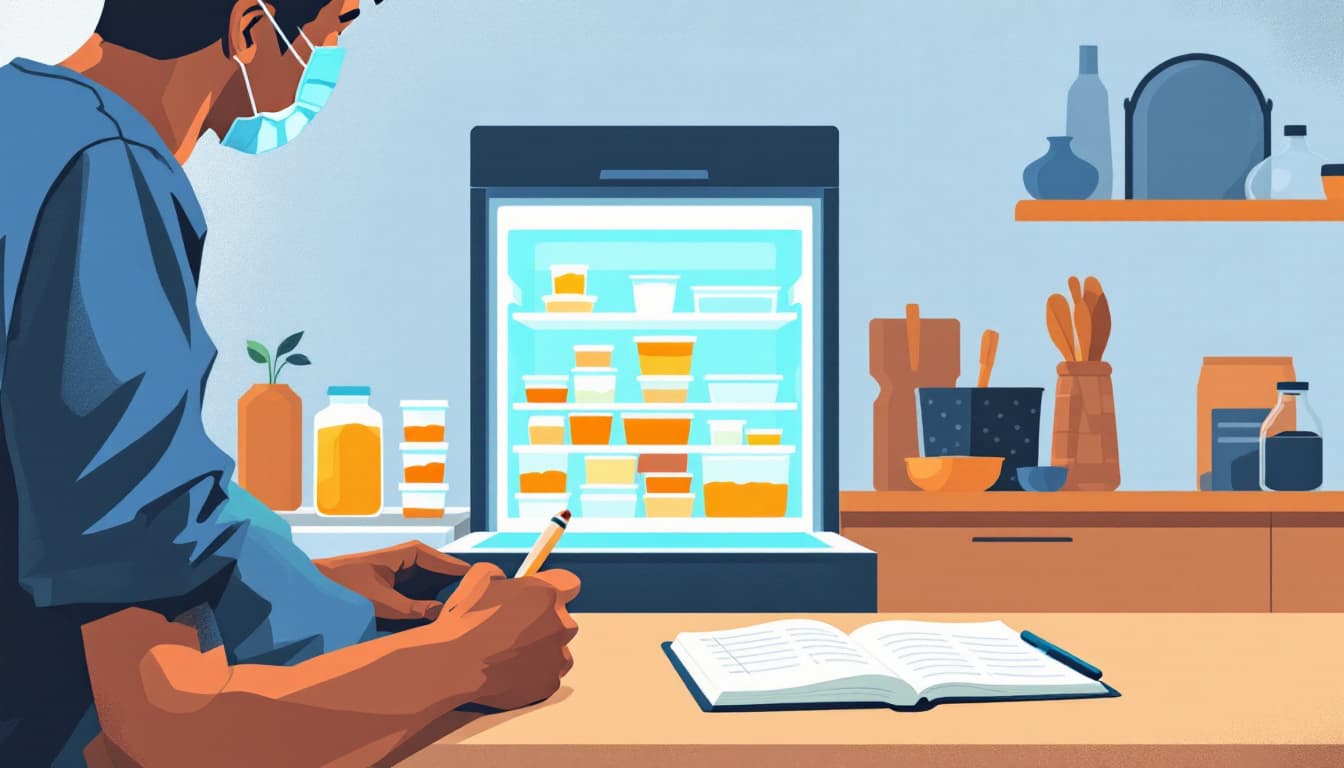
Stop buying food you throw away. Recent USDA household waste data suggests the average American family discards roughly a third of the food it buys. That number hasn't changed much even as prices have climbed, because waste happens at the margins of attention, not at the center of it. A brief weekly fridge audit — Sunday evening, five minutes, look at what's about to turn — cuts waste without cutting quality of life.
If you have freezer space, use it as a buffer. Buying proteins in bulk when they're on sale and freezing them is not a prepper strategy. It's how households managed grocery spending before every store was open 24 hours. A chest freezer running efficiently costs less than $5 a month in electricity and can hold two to three months of protein for a family of four. The upfront cost is real, but the payoff is a grocery budget that doesn't have to absorb every price spike in real time.
The bigger picture
Sustained food inflation isn't a signal that the system is collapsing. It's a signal that the era of structurally cheap food — built on cheap fuel, cheap labor, cheap debt — is slowly repricing. That repricing is uneven and unpredictable, which is what makes it stressful.
The households that fare best won't be the ones who panic-bought freeze-dried meal kits or turned their basement into a warehouse. They'll be the ones who quietly built flexibility into their routines: a buffer in the freezer, a rotation that doesn't depend on one protein, a price list that tells them when something's worth stocking up on.
Durability over drama. That's the only strategy that compounds.