There is a specific kind of confidence that comes from having money in the bank. It feels like preparedness. For most disruptions, it is. But somewhere around hour 18 of a serious regional event — a grid outage, a major storm, a localized banking system hiccup — the definition of "access to money" narrows in ways that catch households off guard.
This isn't a new observation, but a pattern that keeps surfacing across economic coverage deserves a sharper frame: financial liquidity and operational liquidity are not the same thing, and most middle-class households are confusing one for the other.
Financial liquidity is what your brokerage app shows you. It's your checking balance, your money market account, your home equity line with its generous limit. These numbers are real. They are also, in a meaningful sense, conditional — contingent on infrastructure functioning well enough to let you reach them.
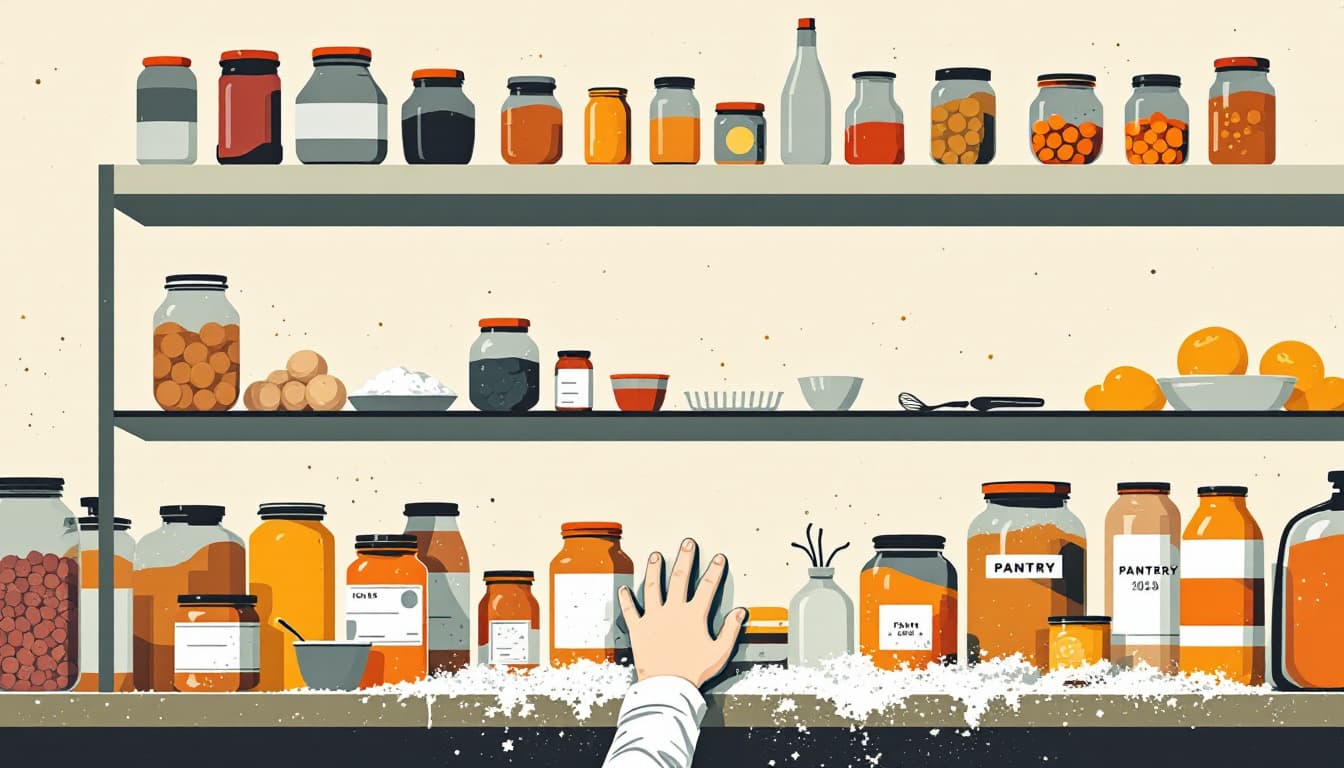
Operational liquidity is what you can actually deploy when that infrastructure degrades. Cash in hand. A full tank of gas. A freezer that was stocked before the storm. These are unconditional assets, and they behave differently under stress.
The gap between these two things is what I'd call the liquidity illusion: the feeling of being prepared because your net worth is positive, your credit score is solid, and your emergency fund is technically funded.
Why does this happen to otherwise careful households? A few reasons.
The financial system has become so reliable, for so long, that mental models haven't updated to account for its edge cases. The vast majority of economic disruptions people actually experience — a job loss, a medical bill, a car repair — are solved by financial liquidity. You transfer money, you swipe a card, you call the bank. That track record trains households to treat financial liquidity as the universal solver.
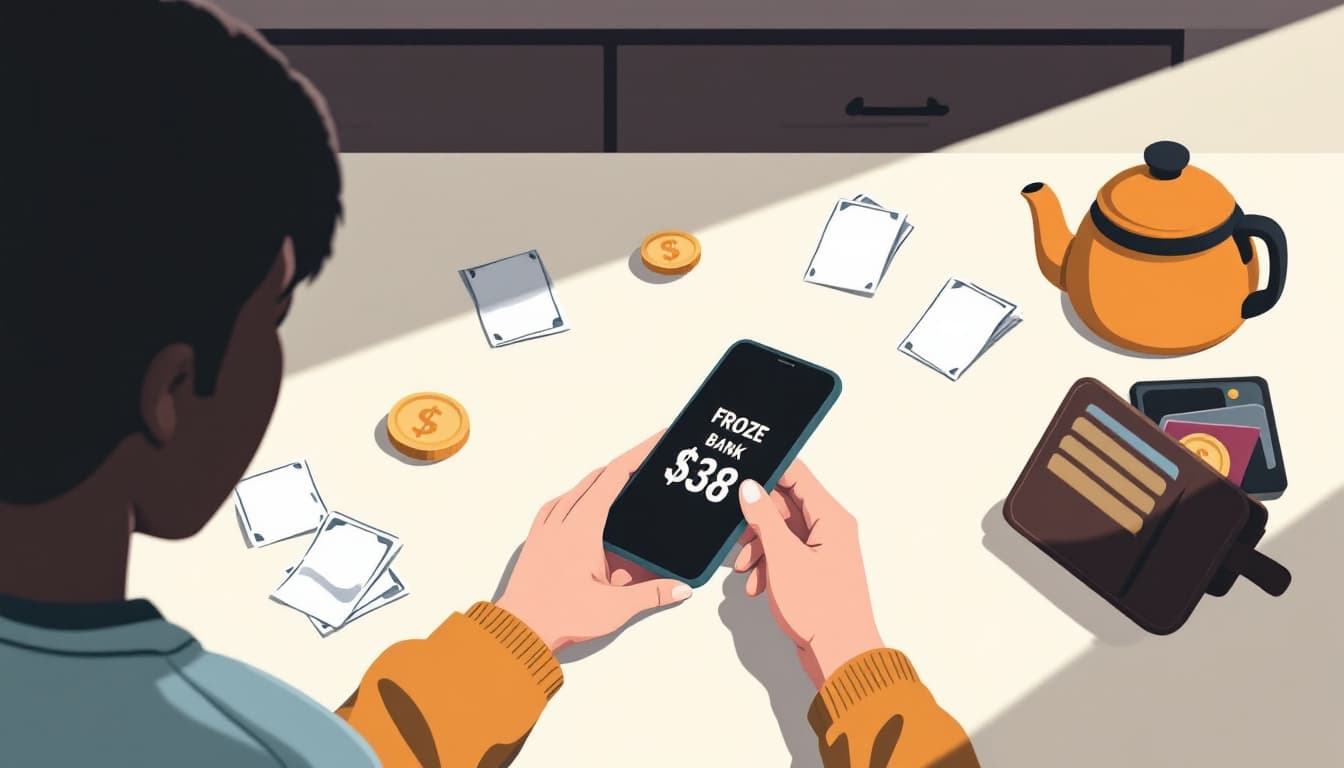
But the disruptions that are genuinely difficult to navigate are, almost by definition, the ones that impair the infrastructure those transfers depend on. Power outages take down POS terminals. Rolling cyber incidents — several have hit regional banking systems over the past few years — can freeze access to accounts for days without formally "losing" any money. Card networks have single points of failure that are rarely visible until they fail.
Recent BLS consumer expenditure data consistently shows that most households' actual day-to-day spending is heavily card-dependent. Cash use has declined steadily for over a decade. The household that keeps no cash isn't making a reckless decision — it's making a perfectly rational one for 99% of its days. The problem is that the 1% of days when cash matters tend to cluster in the exact conditions where getting to an ATM is also harder.
There's a related wrinkle that doesn't get discussed much: the time horizon of operational needs is front-loaded.
In a significant disruption, the most resource-intensive period is usually the first 48 to 72 hours — before mutual aid arrives, before family helps, before the situation stabilizes enough to make longer-term financial decisions. The cash you need is needed now, not after the ATMs come back online. The gas you need was needed before the station ran out. The food question was answered by what was already in your refrigerator.
This means that financial preparedness — in the operational sense — is almost entirely a pre-event problem. You cannot solve it reactively. And yet most household "emergency fund" thinking is framed entirely around the reactive problem: having enough money to weather a long disruption, rather than having enough accessible resources to get through the first three days without any external system working.
The framing that's been useful to me: treat your balance sheet and your operational cache as two separate inventories that serve different purposes. Your emergency fund is real and important. It handles the long tail — job loss, extended recovery, a slow-moving crisis that plays out over weeks. But it doesn't do the work of the first 72 hours.
That first window is served by things that are already physical: cash on hand (not a dramatic amount — $200 to $400 covers most scenarios), a full-ish gas tank as a standing habit, food that doesn't require the grid to be edible. These aren't prepper orthodoxy. They're just the operational layer that makes your financial preparedness actually function when you need it.
If you want to stress-test your own household's position, our water and food calculator is a reasonable place to see where the gaps are on the physical inventory side — the side that doesn't show up on your bank statement.
The number in your savings account is not wrong. It's just incomplete.