Walk into any preparedness forum, subreddit, or YouTube channel and you will encounter a specific obsession: the bug-out bag. Seventy-two-hour kits. Modular MOLLE systems. The great Mylar blanket debate. The bag is so central to preparedness culture that it has become a kind of totem — the thing you own that signals you are serious about this.
The problem is that the bag is solving the wrong problem for most households.
The bug-out bag is built around a specific scenario: you have perhaps fifteen minutes, the situation at home has become untenable, and you are leaving on foot or by car with no clear destination and no infrastructure to rely on. That scenario exists. Wildfires, flash floods, and chemical spills can all create versions of it. But when you look at the actual distribution of emergencies that affect middle-class American households, the "grab the bag and run into the wilderness" scenario is genuinely rare — and almost never plays out the way the bag is designed for.
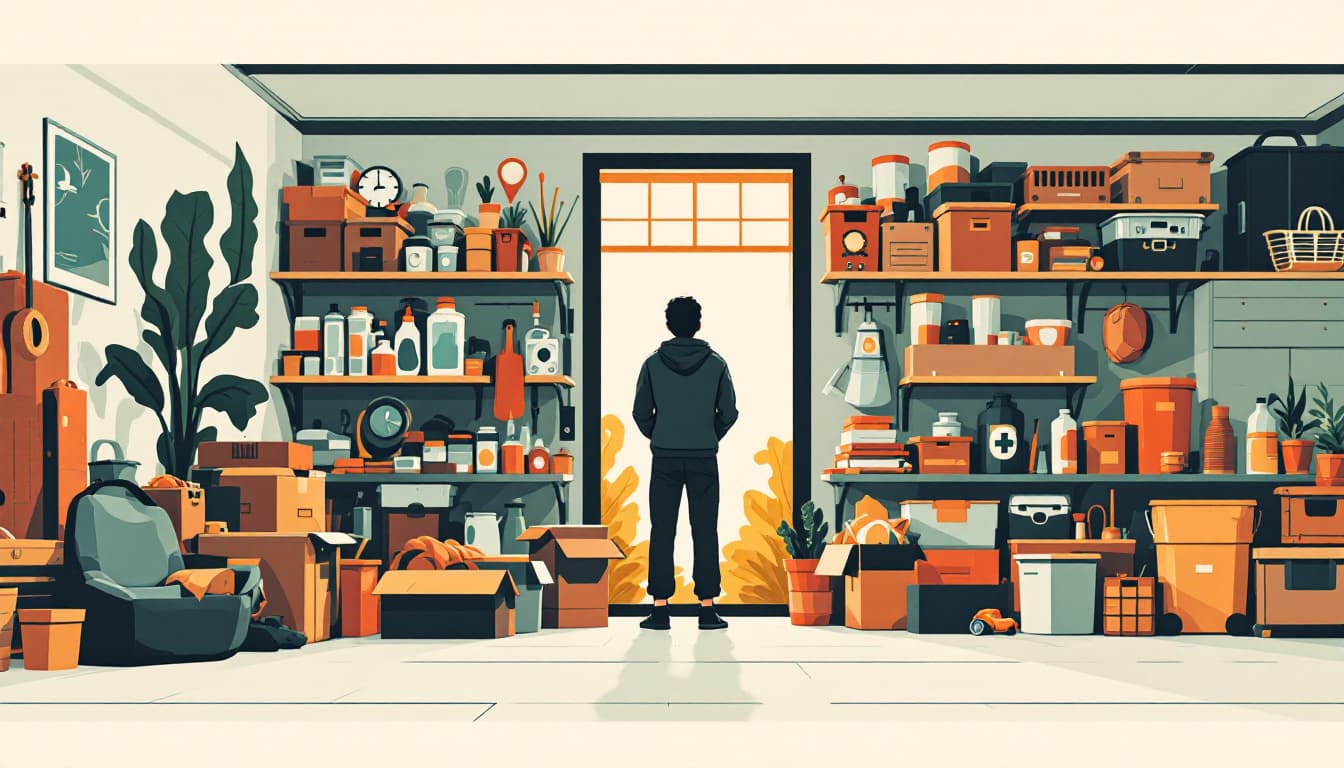
What actually happens, with much greater frequency, is something quieter and more logistically boring. The power is out for four days after a derecho. A winter storm closes roads and makes the grocery run impossible for a week. A water main break puts the neighborhood under a boil advisory for seventy-two hours. A job loss turns a two-week cash-flow gap into a months-long pantry-management exercise. None of these situations require a bag. They require depth — depth in place, at home, in your pantry, in your financial accounts, in your social connections with neighbors.
This is the core confusion that preparedness culture keeps making: it optimizes for intensity rather than probability.
The bug-out scenario is high-drama and cinematically compelling. It maps onto disaster movies and military survival training. It gives you a focused object to build and a satisfying checklist to complete. The shelter-in-place scenario is unglamorous. Stocking an extra two weeks of food you already eat, keeping a small cash reserve in an envelope, knowing where your water shutoff is — none of this photographs well or generates engagement on YouTube.
The mismatch matters because time and money spent optimizing the bag come at the cost of the boring depth-building that would actually help. Calorie-dense emergency rations that sit in a pack and expire uneaten are not as useful as a well-rotated pantry. A $300 tactical flashlight is not as useful as a $40 goal-zero lantern your kids know how to turn on. A laminated route map is not as useful as a fuel gauge that never drops below a quarter tank.
There is also a second-order error embedded in bug-out thinking: it implicitly treats the household as a single person, probably male, probably without children under eight or parents over seventy-five. Real household preparedness is a logistics problem. A family with a toddler, a dog, an elderly relative, and one car has a fundamentally different constraint set than a solo adult with a hiking background. The bag framework was not built for that constraint set, and layering tactical gear onto a family situation is like solving a supply-chain problem with a survival knife.
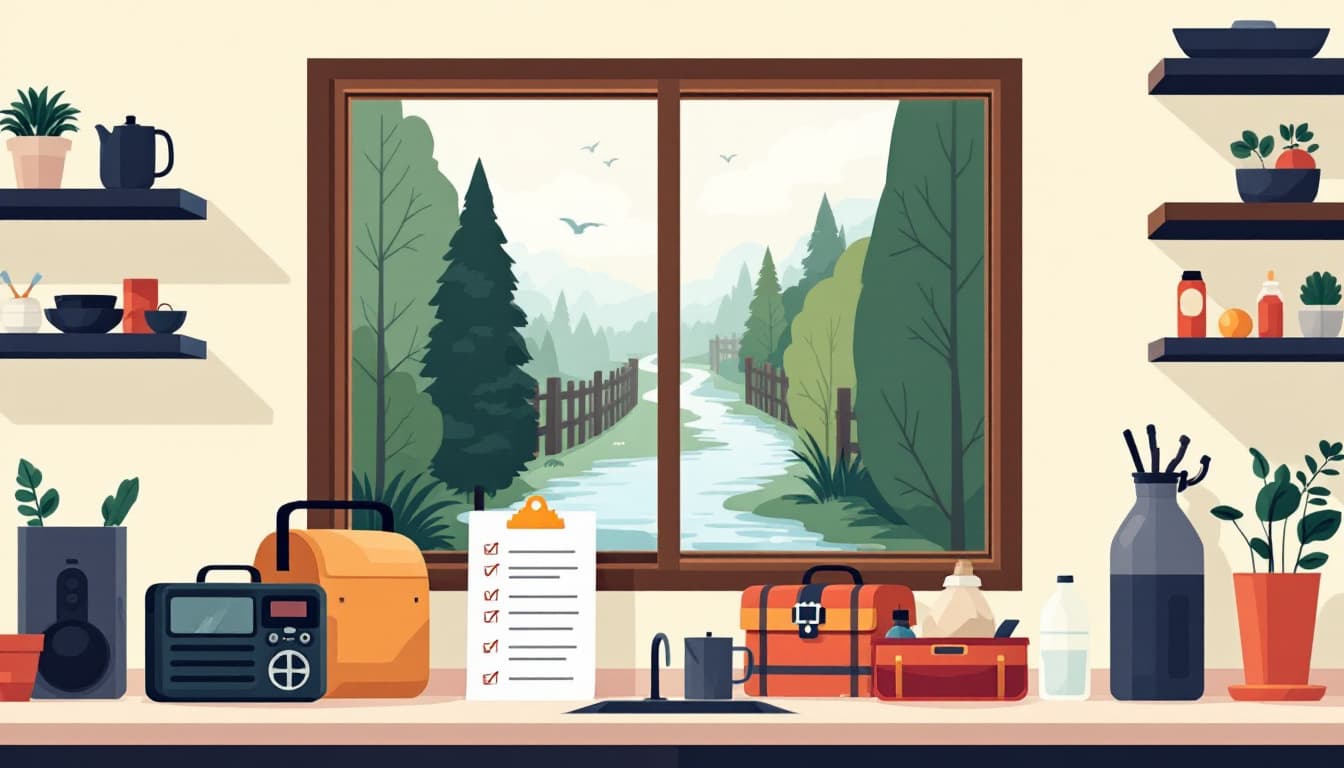
None of this means evacuation planning is useless. It is not. If you live in a wildfire interface zone, a flood plain, or hurricane country, having a specific, practiced plan for getting out fast is genuinely important. But that plan should be built around your actual route, your actual vehicle, your actual family members, and your actual probable destinations — not around a hypothetical forty-eight-hour wilderness survival situation. The tool for that is a household evacuation checklist, not a MOLLE rig.
The deeper reframe is this: preparedness is not a single readiness state. It is a portfolio of responses to a probability distribution of disruptions, weighted by how likely each one is in your specific geography, your specific household structure, and your specific economic situation. When you look at it that way, the bag drops from centerpiece to footnote — one small hedge against a low-probability scenario, sitting inside a much larger set of decisions about food, water, cash, and community.
Most of those larger decisions are not exciting. They do not have a subreddit. But they are the ones that will actually matter when something goes wrong — and something, eventually, will.