The forecast question making rounds in Texas sports coverage this week is whether a "first true heat wave" will arrive just as World Cup matches kick off across the state. AOL.com surfaced the concern, framing it mostly around fan comfort at stadiums in Dallas, Houston, and other host cities. That framing misses the more important story for the people who live here year-round.
A heat wave during a major global event means one thing at the household level: concentrated demand on infrastructure that already has a documented fragility problem. Hundreds of thousands of additional visitors, extra transit loads, extended commercial hours, and elevated ERCOT draw all arrive at the same time the Texas grid faces its annual stress test.
What's actually changing
June heat in Texas is not news. What changes during a major event is the simultaneity of demand. Hotels, convention spaces, transit systems, and homes all pull harder at the same time. ERCOT has added generation capacity since the 2021 winter storm, and its recent seasonal assessments have been cautiously optimistic — but optimistic under normal summer conditions, not conditions layered with a once-in-a-generation tourism surge.
The second issue is outdoor exposure risk for people who are not tourists. When a city's attention and emergency resources are oriented toward event logistics, the residents in un-air-conditioned apartments in Houston's East End or elderly homeowners in South Dallas are not the priority. They rarely are during normal summers. They are less so during a spectacle.
Finally, heat waves do not announce their severity in advance. The "first true heat wave" framing implies a gradual onset. Texas heat can also arrive fast, especially in late June, and linger. Daytime highs above 105°F with overnight lows that stay above 80°F are the dangerous combination — the body cannot recover overnight, and cumulative heat stress compounds across days.
What we'd actually do
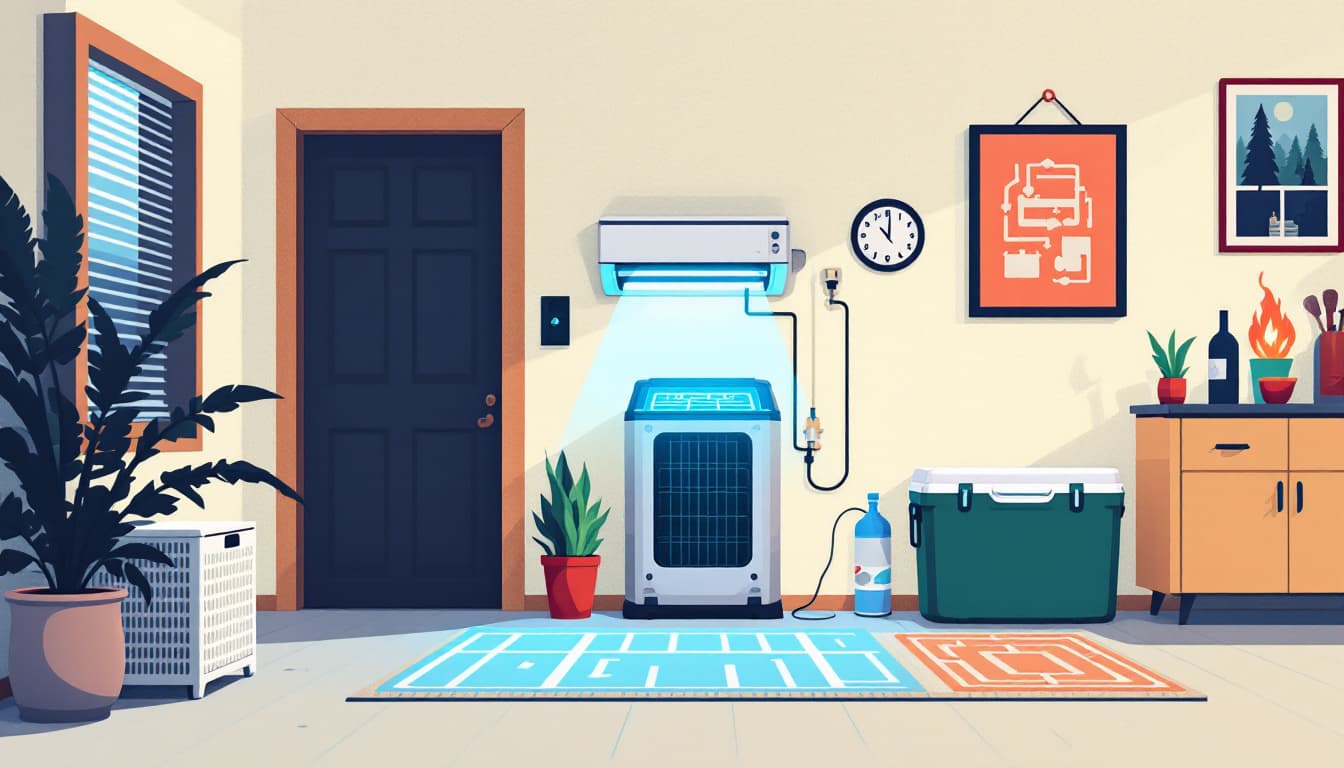
Check your household's cooling redundancy right now, not in two weeks. Turn on your central AC and let it run for a full cycle. Listen for strain. Check your filter. If your system is over ten years old and hasn't been serviced this year, schedule a technician this week — demand climbs fast once heat arrives and appointment slots disappear. A window unit or portable unit as backup isn't overkill; it's the difference between an inconvenience and a medical emergency if your primary system fails during a heat event.
Identify your nearest cooling center and verify its hours before you need it. Every major Texas city maintains a list of public cooling centers — libraries, recreation centers, community buildings — that open during heat emergencies. Houston's Office of Emergency Management, Dallas's Office of Emergency Management, and San Antonio's city emergency portal all publish these. Save the link or the address. This matters most if you have elderly parents, neighbors without reliable AC, or a household member with a chronic condition. You should know where to send someone before 2 a.m. on a 95-degree night.
Stock a two-week supply of any medication that requires refrigeration or whose effectiveness degrades in heat. Power outages during heat waves are short but unpredictable. Insulin, certain liquid antibiotics, and some injectables require refrigeration. A small cooler and a few reusable ice packs stored in your freezer cost almost nothing. Know the acceptable temperature range for any drug in your household. The FDA publishes guidance on medication storage; your pharmacist can answer specific questions in under two minutes.
Reduce your ERCOT draw during peak hours without being asked. The grid's peak stress window in Texas is roughly 3 p.m. to 8 p.m. on hot days. Shifting laundry, dishwasher cycles, and EV charging to after 9 p.m. reduces your bill under time-of-use rates and, more concretely, reduces the probability of rolling outages affecting your neighborhood. This is not altruism — it is self-interest.
Know your water. Extreme heat accelerates dehydration faster than most people calibrate for. If you or anyone in your household is going to be outside during event activities or working outdoors, the general guidance from the CDC on heat-related illness starts at about one liter of water per hour under exertion in high heat. That means a case of water per person per day is not excessive for outdoor exposure days. Build that stock now, before event demand and panic buying clear store shelves.
The bigger picture
Texas summers are genuinely dangerous, and the 2026 World Cup does not change that in kind — only in degree. The households that come through hot summers intact are not the ones with the most gear. They are the ones that made three or four boring decisions in late May and early June: serviced their AC, found their cooling center, checked their medications, and adjusted their energy use patterns. Durability is incremental. The tournament will end. The summer will not.