A report this week from CW39 Houston describes something Texas summers occasionally produce but rarely stack this neatly: Saharan dust drifting in from the Atlantic, triple-digit heat already baking the Gulf Coast, and afternoon thunderstorms capable of spawning brief but violent wind events — all arriving in the same week.
Each of those three conditions is manageable on its own. Together, they create compounding risks most households aren't quite set up to handle.
What's actually happening
Saharan dust — technically called the Saharan Air Layer — travels across the Atlantic every summer. It's a real meteorological event, not weather hype. The dust suppresses hurricane formation and produces hazy sunsets, but it also degrades outdoor air quality measurably. People with asthma, COPD, or young children with reactive airways feel it first. The Texas Commission on Environmental Quality (TCEQ) tracks AQI in real time; during dust events, Particle Matter 2.5 readings in Houston can spike into the "unhealthy for sensitive groups" range even on days that feel clear.
The heat is the chronic threat. When humidity is high, a 100-degree air temperature with a dewpoint in the low 70s produces heat index readings that NOAA categorizes as "dangerous." The body's ability to cool through sweat partially fails when air is already saturated. This isn't the dry Phoenix kind of hot. Texas Gulf Coast heat is wetter and more physiologically demanding.
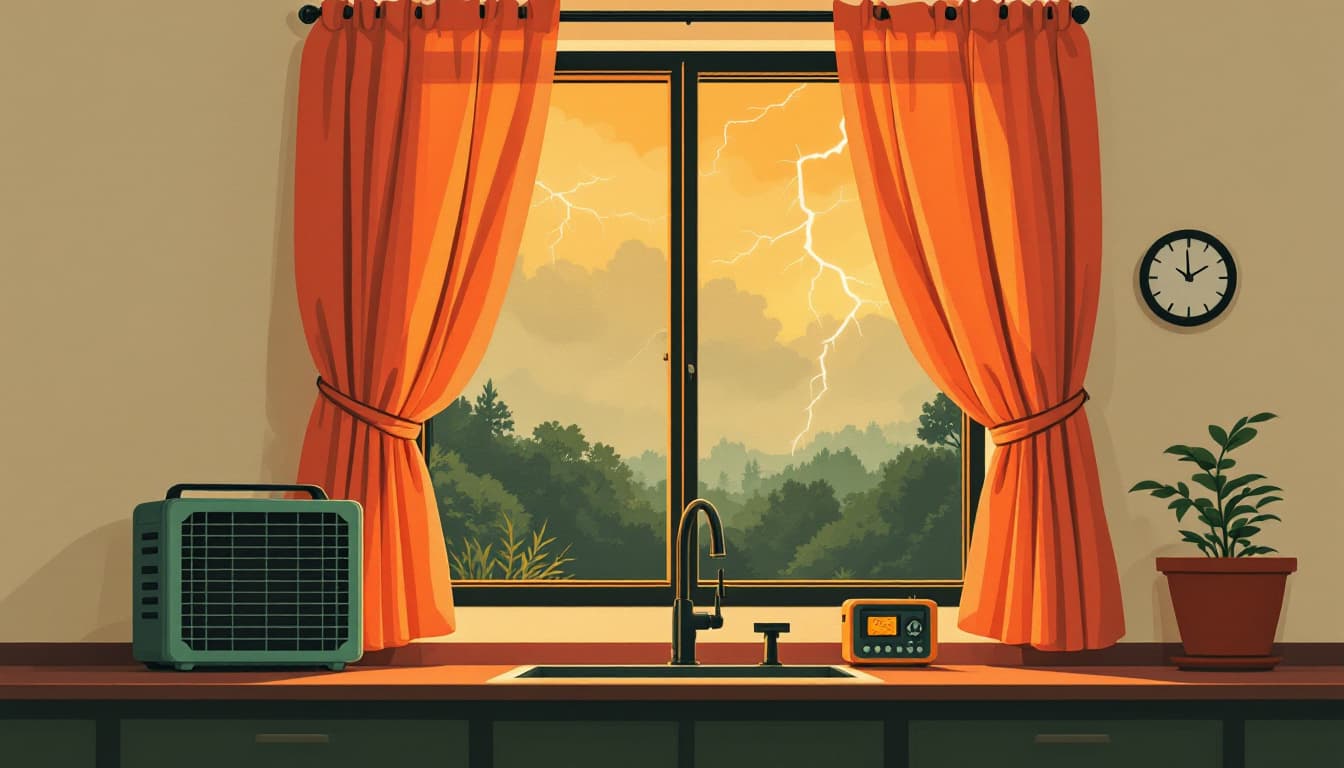
The afternoon storm piece is the wild card. Gulf-moisture-fueled convective storms in July can spin up fast, drop large hail, and produce straight-line winds above 60 mph with almost no warning. Power outages during a heat event aren't an inconvenience; they become a medical risk within hours for elderly residents and people on medication that requires refrigeration.
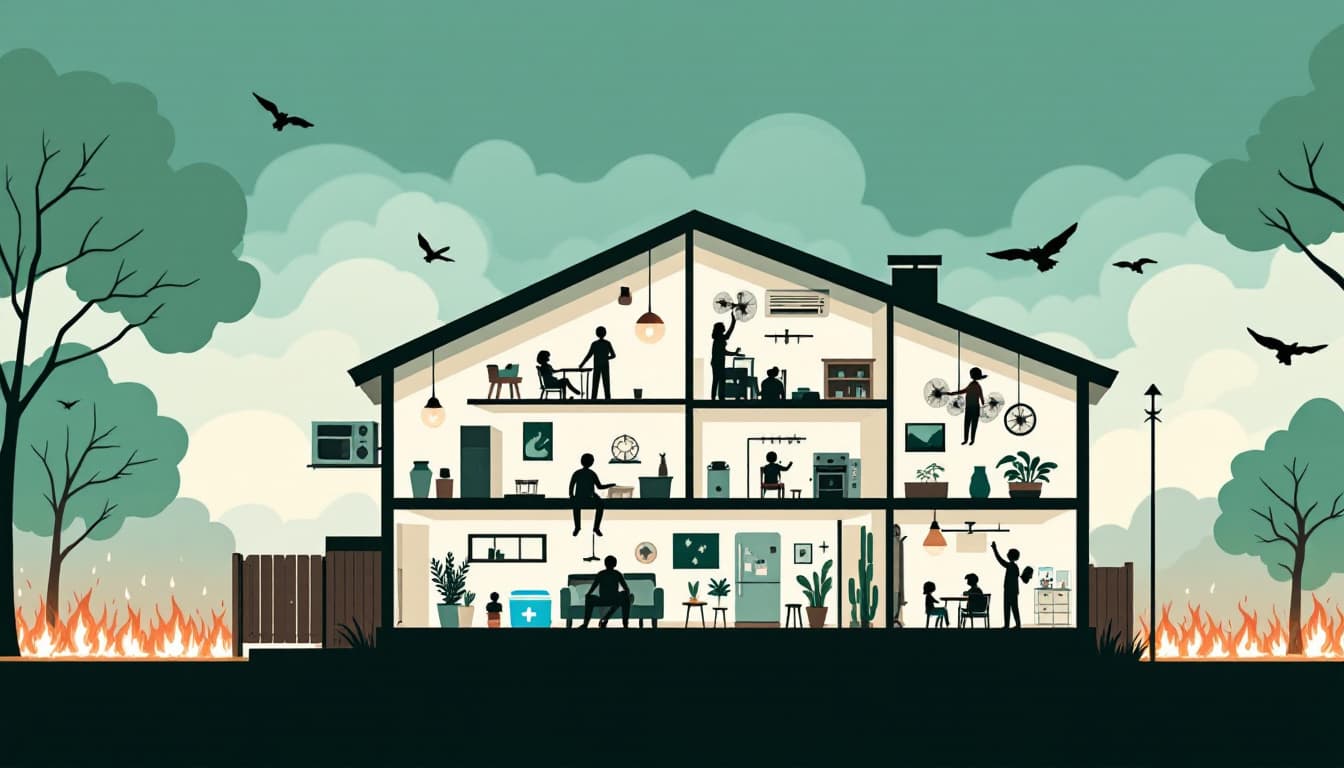
The compounding problem: dust tells you to stay inside, heat tells you to run your AC hard, and a storm can knock out the power that makes any of that possible.
What we'd actually do
Check your air filters and locate any N95s before the dust arrives. Saharan dust is fine particulate matter. A house with a clogged HVAC filter circulates that dust indoors instead of catching it. Swap in a fresh MERV-13 filter if you have forced air — they're available at any Texas hardware store for under $20. If anyone in your household has a respiratory condition, find your N95s now; you'll want them for any necessary outdoor time this week.
Identify your cooling backup before the storm rolls through. Make a list right now of the closest public cooling centers to your home. In Houston, Harris County opens cooling centers during heat emergencies — TCEQ and local emergency management sites list current locations. If your power goes out after a storm, you need to know where you're going before the house hits 90 degrees inside, not after.
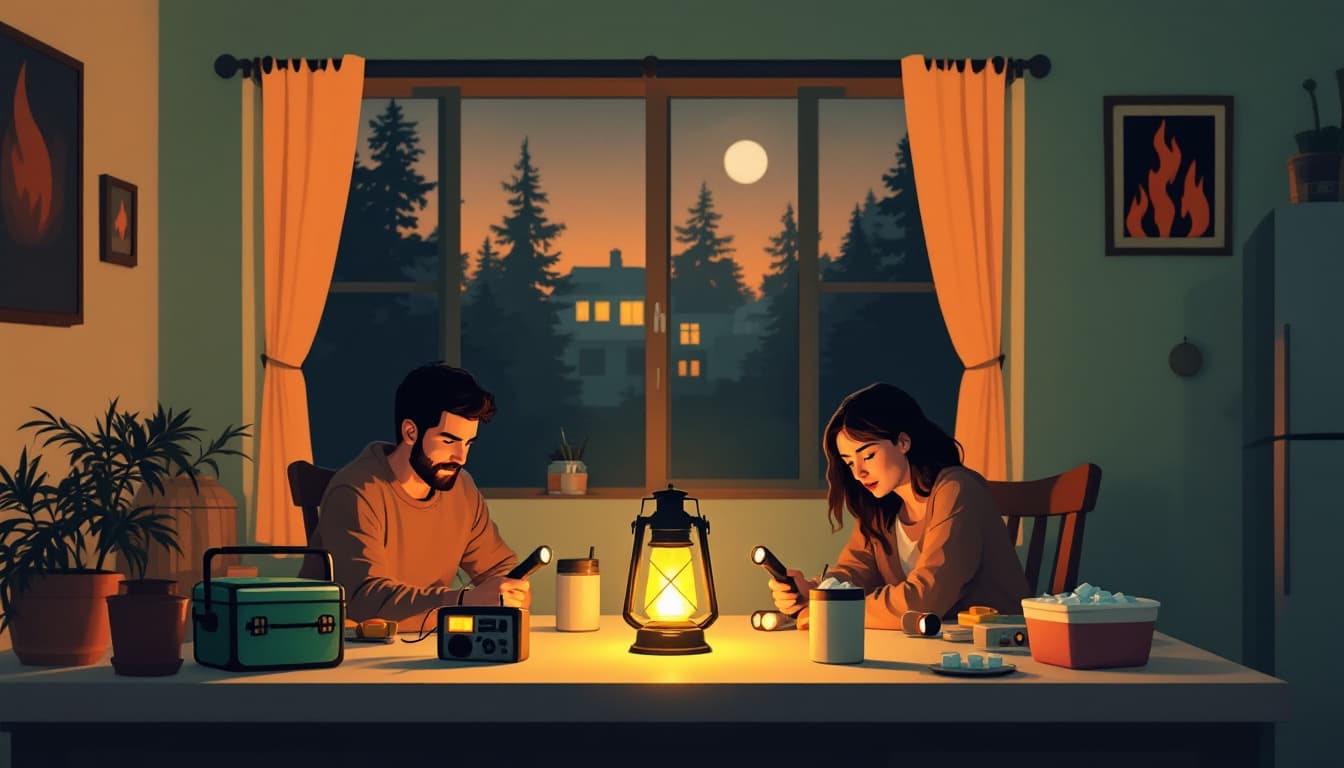
Charge everything and fill the gaps in your medication cold-chain plan. Plug in your battery banks, your weather radio, and your phones tonight. If anyone in your household uses insulin or other temperature-sensitive medication, confirm you have a plan for 24 to 48 hours without refrigeration. A small cooler and a bag of ice bought before the storm is a $5 solution to what can become a serious medical problem.
Pull your outdoor furniture and loose items inside or tie them down. Afternoon convective storms in Texas are fast and localized. A camp chair left on a patio becomes a projectile in a 65-mph gust. This takes five minutes and protects your neighbors as much as your property.
Set your AC to pre-cool before noon. Utilities across Texas — including Oncor and CenterPoint territories — sometimes issue conservation requests during peak afternoon demand in July. Pre-cool your home to 72 or 73 degrees before 2 p.m. so the thermal mass of your house can carry you through a brief outage or a voluntary cutback without the indoor temperature climbing into dangerous territory immediately.
The bigger picture
Texas summers have always been serious. The combination arriving this week — dust, heat, storms — isn't unprecedented, but it is a useful reminder that weather stress-tests the small gaps in household preparedness faster than any single dramatic event. A functioning filter, a charged battery bank, and a written list of cooling centers cost very little and require almost no time. They also happen to be useful whether next week brings a power outage, a wildfire smoke event, or just a very long August.
Durability isn't about surviving a catastrophe. It's about not being caught unprepared by a week that was in the forecast.