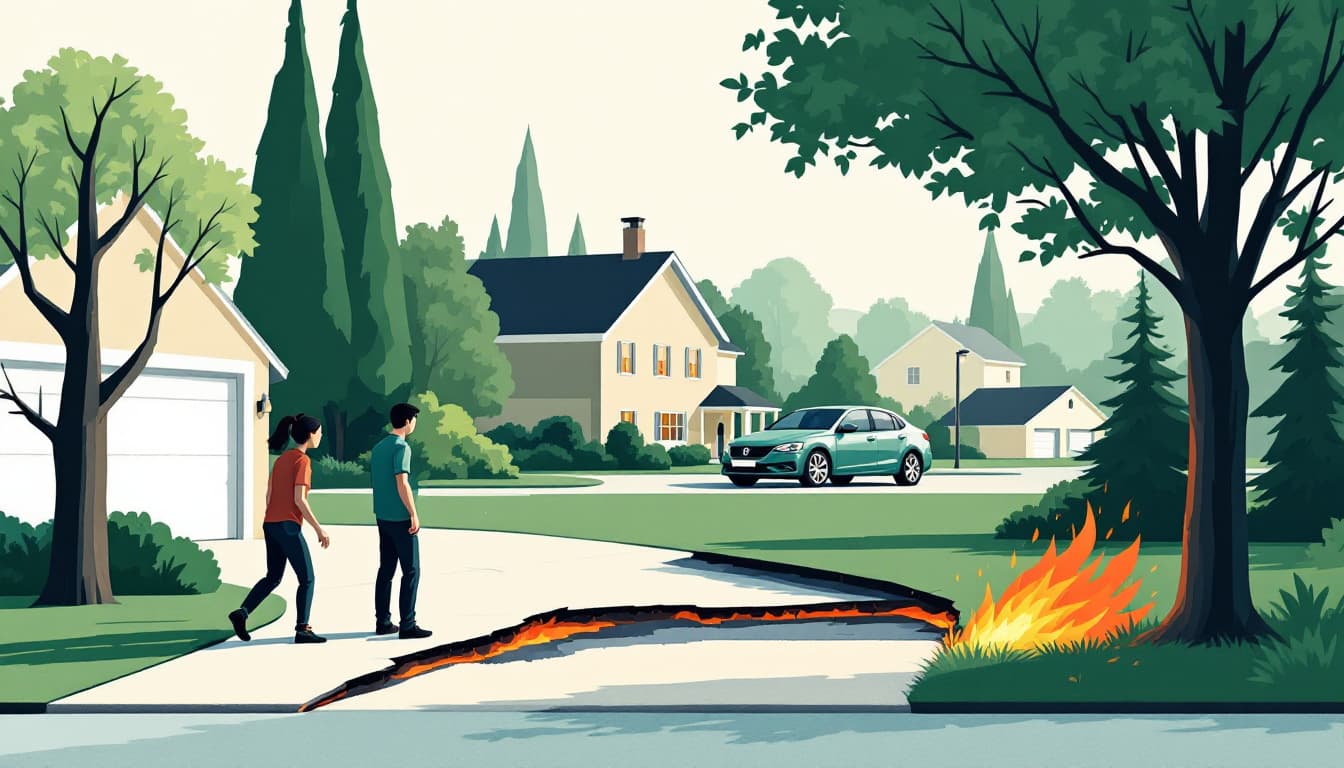
A report this week from bgr.com highlights a Texas initiative to incorporate recycled plastic materials into road construction as a strategy for combating one of the state's most persistent infrastructure headaches: pavement degradation during extreme heat events.
Texas roads have long faced stress from the state's intense summer temperatures, which regularly push surface asphalt temperatures well above 140°F in regions like the Permian Basin, the Rio Grande Valley, and the Dallas–Fort Worth Metroplex. Conventional asphalt softens and ruts under those conditions, contributing to surface failures that cost Texas billions in maintenance annually. The Texas Department of Transportation (TxDOT) has been exploring modified pavement mixtures — including those blending recycled plastics with traditional bitumen binders — as a way to raise the thermal threshold at which roads begin to deform.
Similar plastic-road programs have been piloted in the United Kingdom, India, and the Netherlands, where researchers found that polymer-modified asphalt can improve rut resistance and extend pavement lifespan, in some cases by an estimated 10 to 60 percent depending on formulation and traffic load. The bgr.com report frames Texas's interest in this technology as directly responsive to the growing frequency and intensity of heat events that have strained the state's transportation network in recent years.
TxDOT manages roughly 80,000 miles of roadway — the largest state highway system in the United States — making it one of the most consequential testing grounds for any new pavement technology. Texas also generates substantial plastic waste volumes, and proponents of plastic-road programs argue that diverting that material into roadbeds offers a secondary benefit alongside the engineering performance gains.
For preparedness-minded Texans, the condition of road infrastructure is directly tied to emergency logistics. During major weather events — from the Gulf Coast hurricane evacuations that rely on contraflow routes on I-10 and I-45 to the winter storm responses coordinated through the Texas Division of Emergency Management (TDEM) — pavement failures on key corridors can slow evacuation or supply-chain movement at exactly the wrong moment. Texas's road network also underpins fuel and freight distribution to the refineries and terminals concentrated along the Houston Ship Channel, meaning that infrastructure durability intersects with the energy supply chain the state depends on. The Electric Reliability Council of Texas (ERCOT), which manages the grid serving roughly 90 percent of the state's load, coordinates with TxDOT indirectly whenever extreme heat simultaneously strains both transportation and power infrastructure — a dynamic that makes more heat-resistant road surfaces a systemic concern beyond simple pavement maintenance.
No statewide deployment timeline or cost figures have been publicly finalized by TxDOT at this writing, and the program remains in an evaluation and pilot phase.