The rain came to Austin, the temperatures dropped for a few days, and for a moment it felt like the summer had blinked. Then the heat came back.
A report this week from the Austin American-Statesman asks the right question: did any of that rainfall actually ease the drought? The honest answer, based on how the U.S. Drought Monitor categorizes drought recovery, is probably not much. A single rainfall event, even a generous one, refills surface soil moisture. It does not recharge aquifers, restore reservoir storage levels, or reduce the accumulated soil moisture deficit that builds across a multi-week heat stretch. The Edwards Aquifer — the primary drinking water source for San Antonio and a key recharge source for Austin-area springs — responds to rainfall over weeks and months, not days.
Texas households that felt the stress lift after last week's rain may want to think more carefully about what "drought" actually measures.
What's actually changing
Central Texas has been cycling through the same pattern for several summers: short intense heat, occasional storm relief, then heat again. What makes this summer's version worth tracking is reservoir storage. Lake Travis and Lake Buchanan, the Highland Lakes that supply Austin's municipal water, have spent much of 2025 and 2026 below historical median levels. The Lower Colorado River Authority posts storage updates publicly, and those numbers deserve a look before you assume the city's water supply is healthy.
The drought stress also compounds in ways households feel directly. When soil is moisture-depleted, vegetation stress increases fire risk across the Hill Country. When municipal systems draw harder on surface water, pressure fluctuations become more common during peak demand hours (roughly 6–9 a.m. and 6–9 p.m.). And when heat persists above 100°F for more than a week, urban tree canopy begins to die back, which increases cooling costs in subsequent summers.
None of this is catastrophe. It is a slow-moving, cumulative pressure that rewards households who think one season ahead.
What we'd actually do
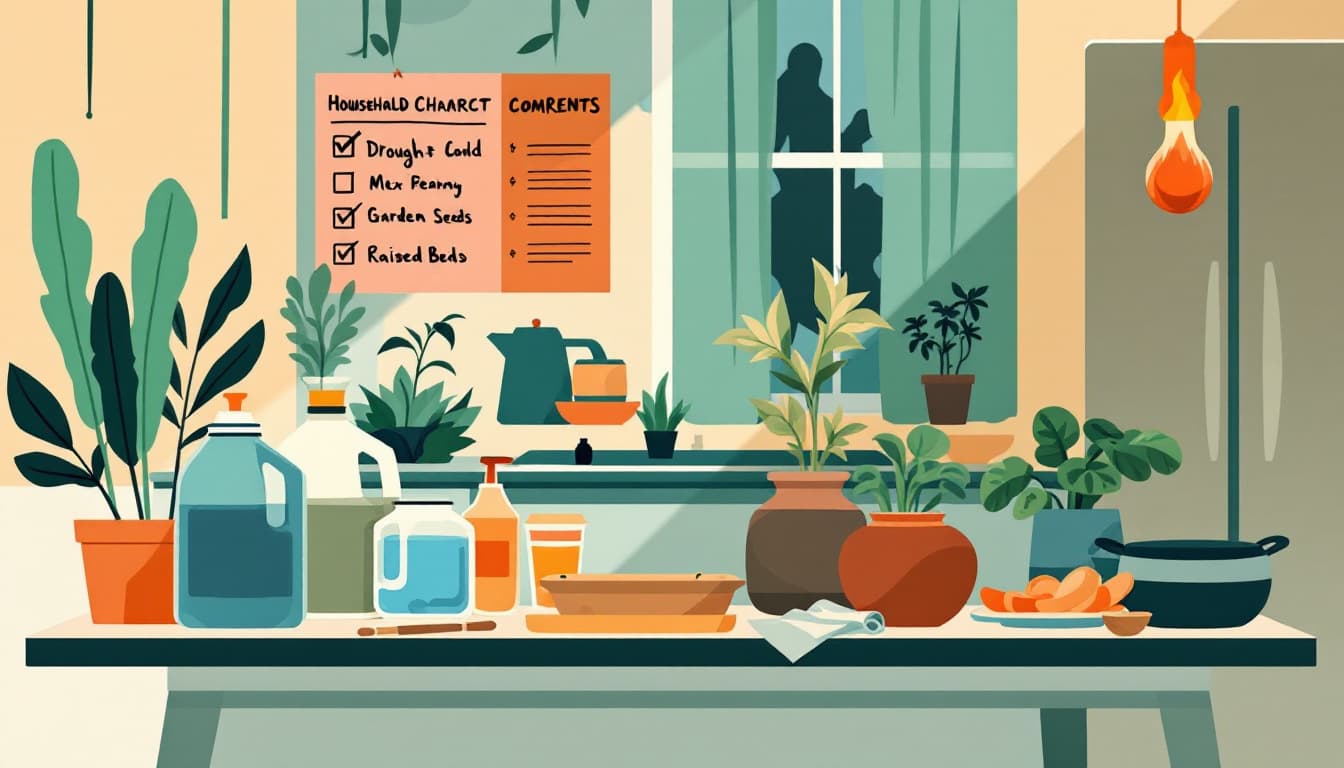
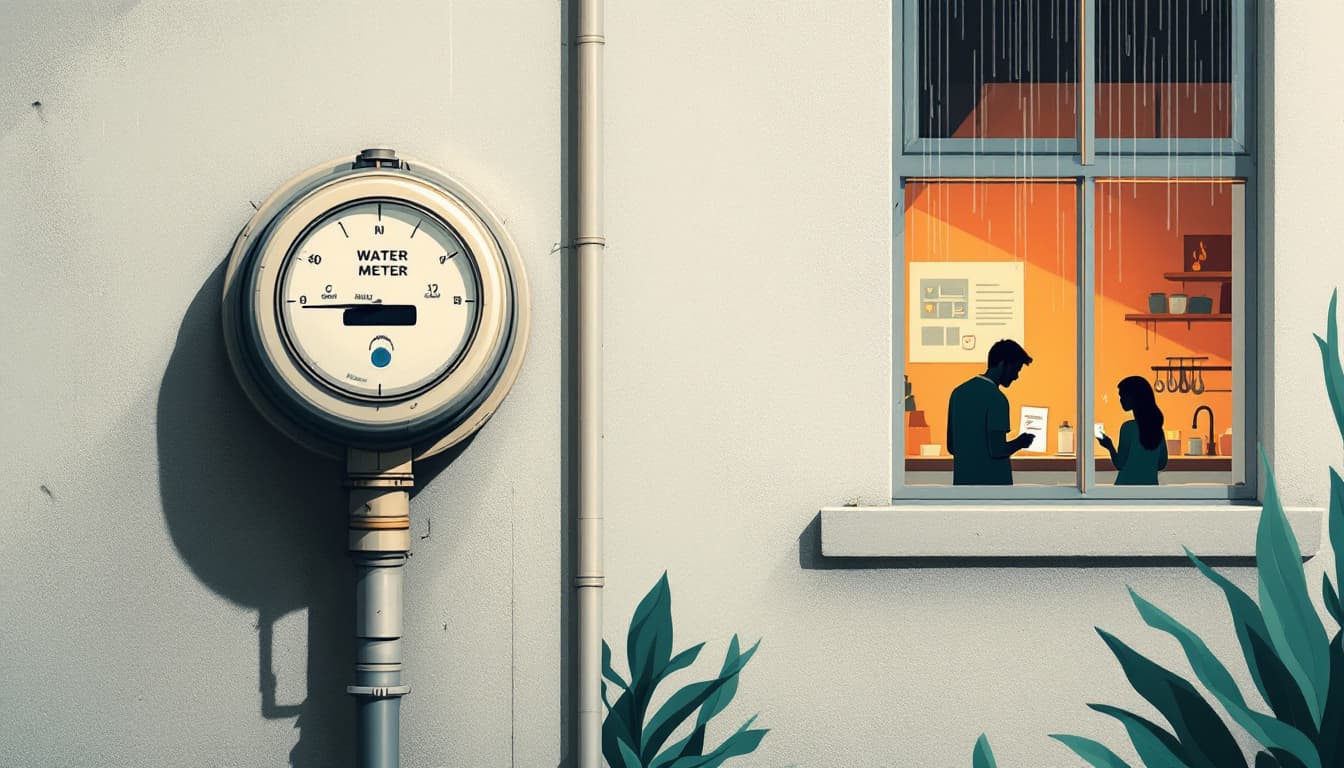
Audit your household's water consumption baseline this weekend. Pull your last three utility bills and calculate your average daily gallons used. Most Texas families have no idea what their number is. The City of Austin's average single-family household uses roughly 80–120 gallons per person per day in summer. Knowing your number tells you how fast you'd exhaust any stored water and where the biggest cuts can come from, usually irrigation.
Cut your irrigation schedule by 30 percent now, regardless of how green the lawn looks. Turfgrass in Central Texas can tolerate significant dry stress before permanent damage. Landscape plants and trees cannot, and trees are the higher-value asset. Water trees at the drip line, deeply and infrequently, rather than running a spray system daily. If Stage 2 watering restrictions hit Austin or San Antonio this summer (both cities have tiered restriction systems), irrigation will be cut for you on a tighter schedule anyway.
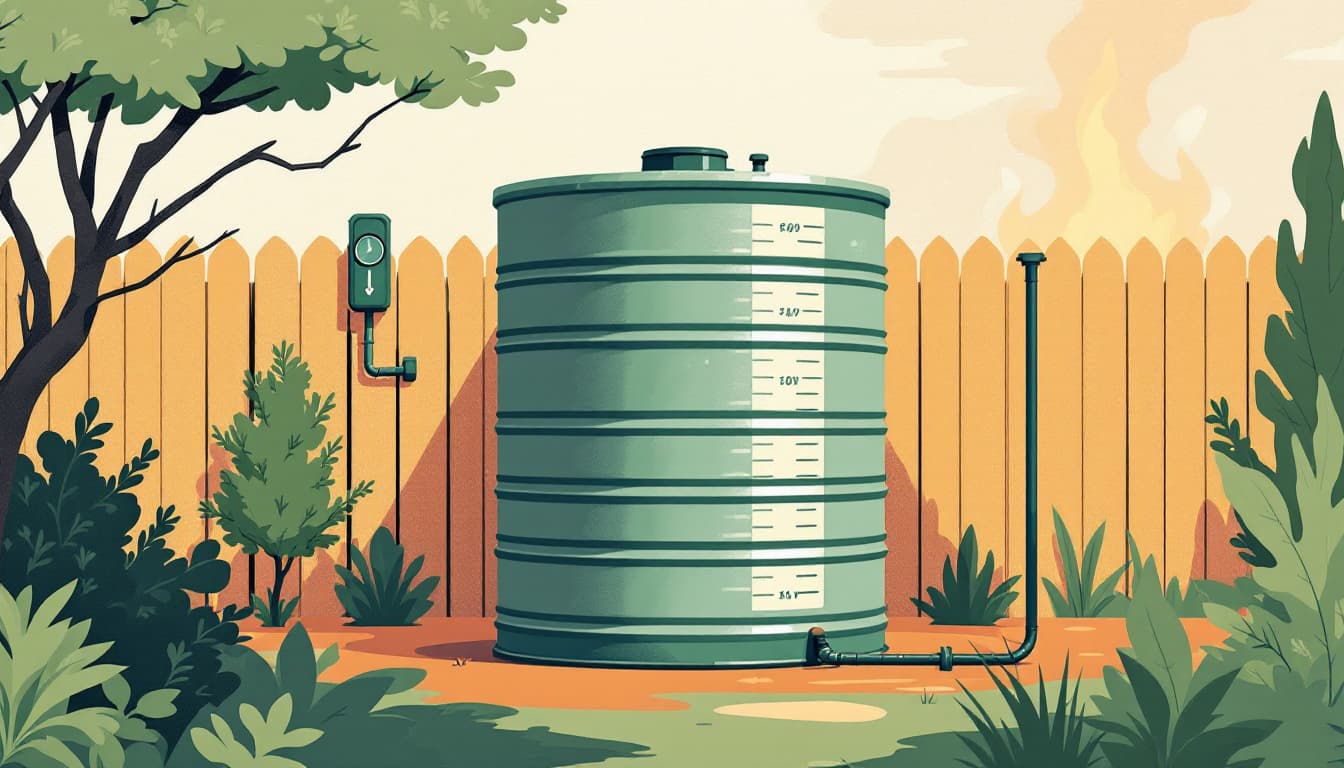
Store a minimum two-week potable water supply per household member. The standard guidance is one gallon per person per day for drinking and basic sanitation. For a family of four, that's 56 gallons — achievable with a mix of filled WaterBOB bladders, stackable 5-gallon containers, or a 55-gallon drum stored in a garage. This is not about a water-shutoff apocalypse; it's about a three-day boil notice, a pressure failure during a grid event, or a municipal system stressed past normal operating range. All three have happened in Texas in the past five years.
Know your city's current drought stage. Austin, San Antonio, and most Hill Country municipal utilities publish drought contingency plan stages online. Stage 1 typically means voluntary conservation. Stage 2 means mandatory watering-day restrictions. Stage 3 means significant outdoor use bans. Checking takes two minutes and prevents a fine that can run $500 or more per violation in some jurisdictions.
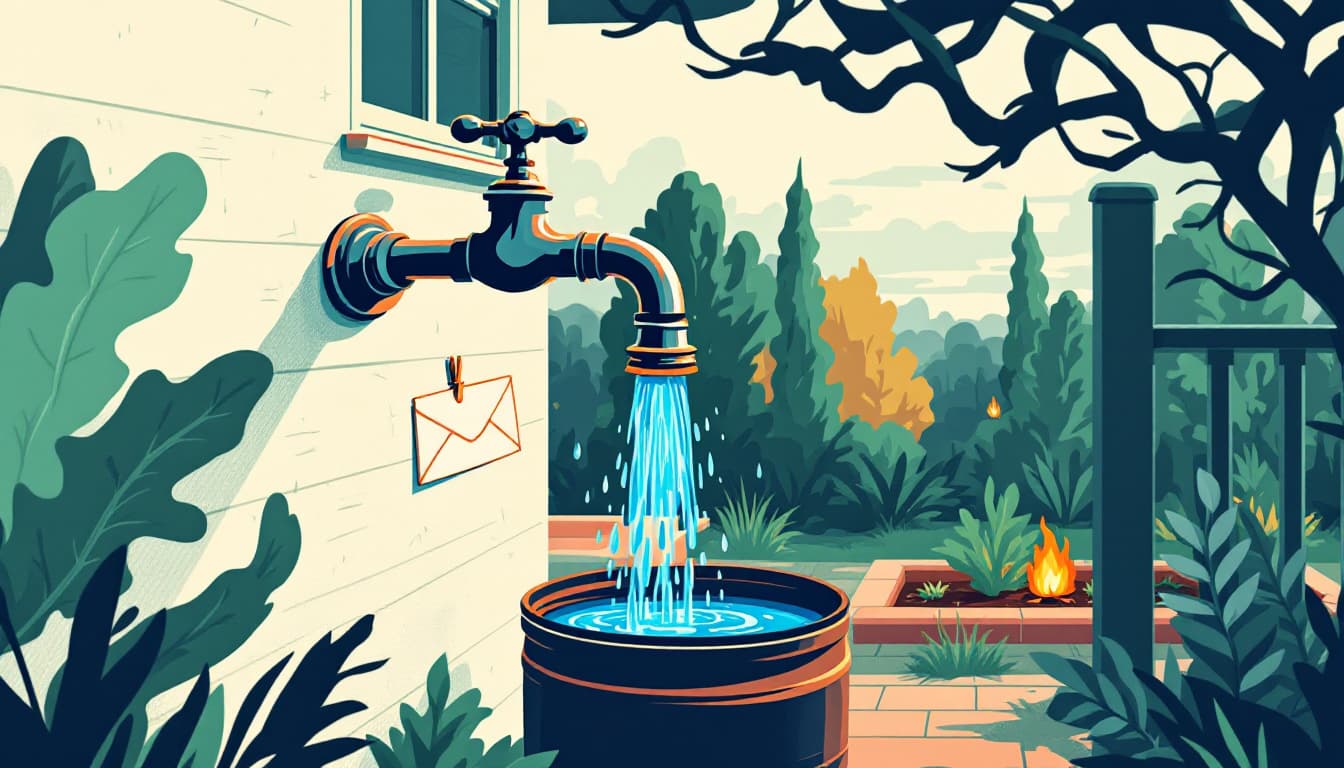
Consider a rain barrel or small cistern for outdoor use. Texas law now explicitly permits rainwater harvesting for residential use. A 50-gallon barrel connected to a downspout covers several weeks of container-garden watering. It won't solve a drought, but it removes your garden irrigation from the municipal system during restriction periods, which is both legal and neighborly.
The bigger picture
Summer in Texas has always meant heat management. What's shifting is that the margin between a normal hard summer and a genuinely stressful one is getting thinner. The LCRA, the Texas Water Development Board, and the National Drought Mitigation Center all publish data households can read directly — no interpretation required.
The goal here isn't to treat every hot week as a crisis. It's to build the kind of household durability that makes a three-week heat event, a boil notice, or a Stage 3 restriction feel manageable rather than chaotic. That's a different posture than catastrophizing, and it costs almost nothing to establish now, before the next rainfall temporarily makes everyone feel like the problem is solved.