A lake that was cracking mud six months ago now has water lapping at boat ramps again. That's real, and it matters. But if you live in Central Texas — or anywhere downstream of the Highland Lakes chain — you should understand what that recovery does and doesn't mean before you adjust how seriously you take water in your household planning.
A report this week from MySA covers how recent Hill Country rains have begun visibly lifting water levels at one of the region's most-watched drought indicators. The images are striking. The relief is legitimate. And it is also incomplete.
What's actually changing
The Edwards Plateau, which feeds the Llano, Pedernales, and Colorado rivers into the Highland Lakes system, is highly responsive to rainfall. It's thin soil over limestone karst — water moves fast, reservoirs fill quickly when storms hit the right drainages. That's why a few weeks of above-average rain can produce visible results.
What it doesn't do quickly is refill the deeper aquifer storage that municipal water systems and rural well users depend on. The Texas Water Development Board tracks aquifer levels separately from surface reservoir levels, and the two don't move in sync. The Trinity and Edwards aquifers — which supply millions of Texas households from San Antonio north through the Austin metro — recover on a much slower clock than a lake surface.
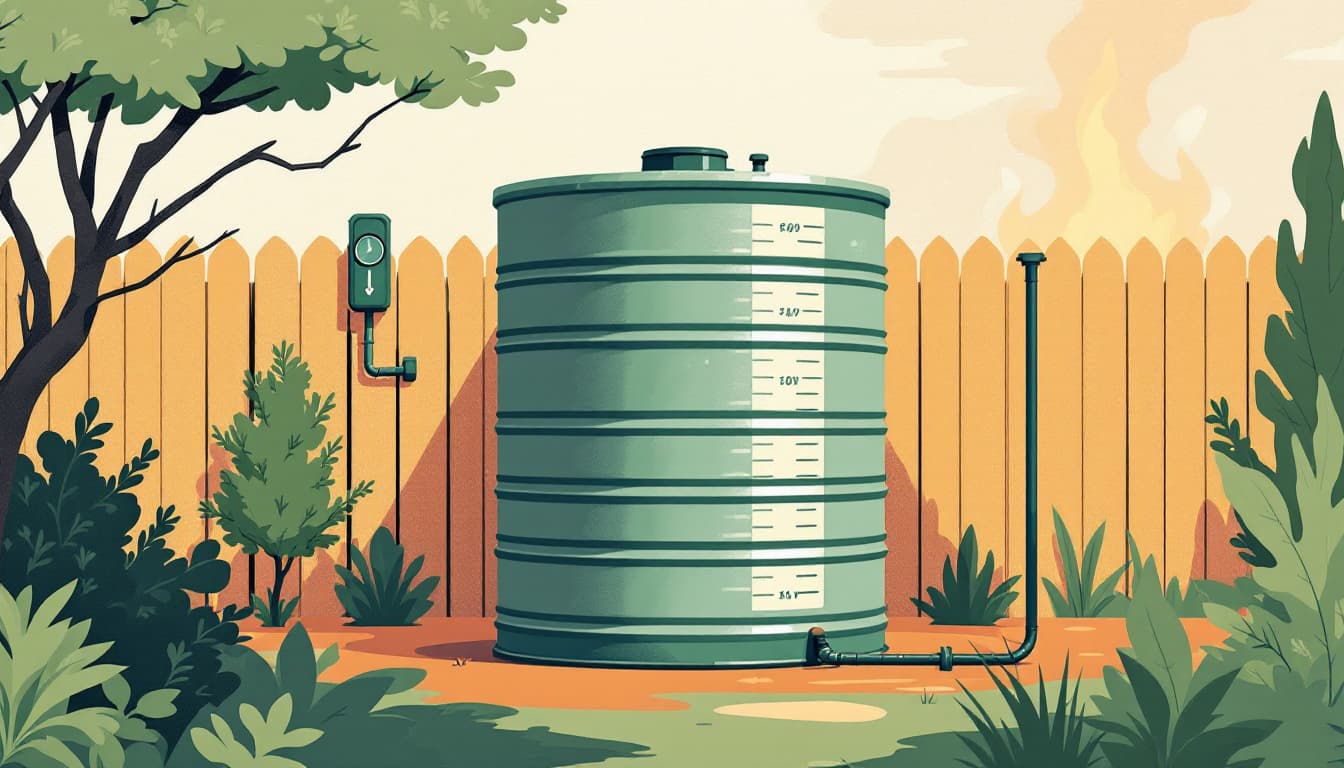
The other thing worth naming: the Texas Hill Country sits in a climate band that the National Oceanic and Atmospheric Administration consistently flags as high-variability. Wet springs followed by brutal summers are the pattern, not the exception. The rains filling that lake right now will be followed by months of 100-degree days that will pull evaporation rates back up. LCRA — the Lower Colorado River Authority, which manages the Highland Lakes and sets mandatory water use stages for much of Central Texas — has kept stage-based restrictions in place through previous partial recoveries for exactly this reason.
None of that makes the current rain bad news. It is good news. It just isn't a signal to stop paying attention.
What we'd actually do
Check your municipality's current water use stage, and set a calendar reminder to check again in August. Most Texas water utilities tied to LCRA or regional groundwater conservation districts publish their stage status online. Stage 1 and Stage 2 restrictions have real teeth — watering schedules, car-wash limits, pool-fill rules — and violations carry fines. Knowing your stage costs nothing. Being surprised by a citation in July costs more.
Drought-stage documents are dry reading, but the one table worth finding is the trigger levels: what reservoir or aquifer reading moves your utility from Stage 1 to Stage 2. That number tells you how much buffer exists between the current good news and the next round of mandatory cuts.
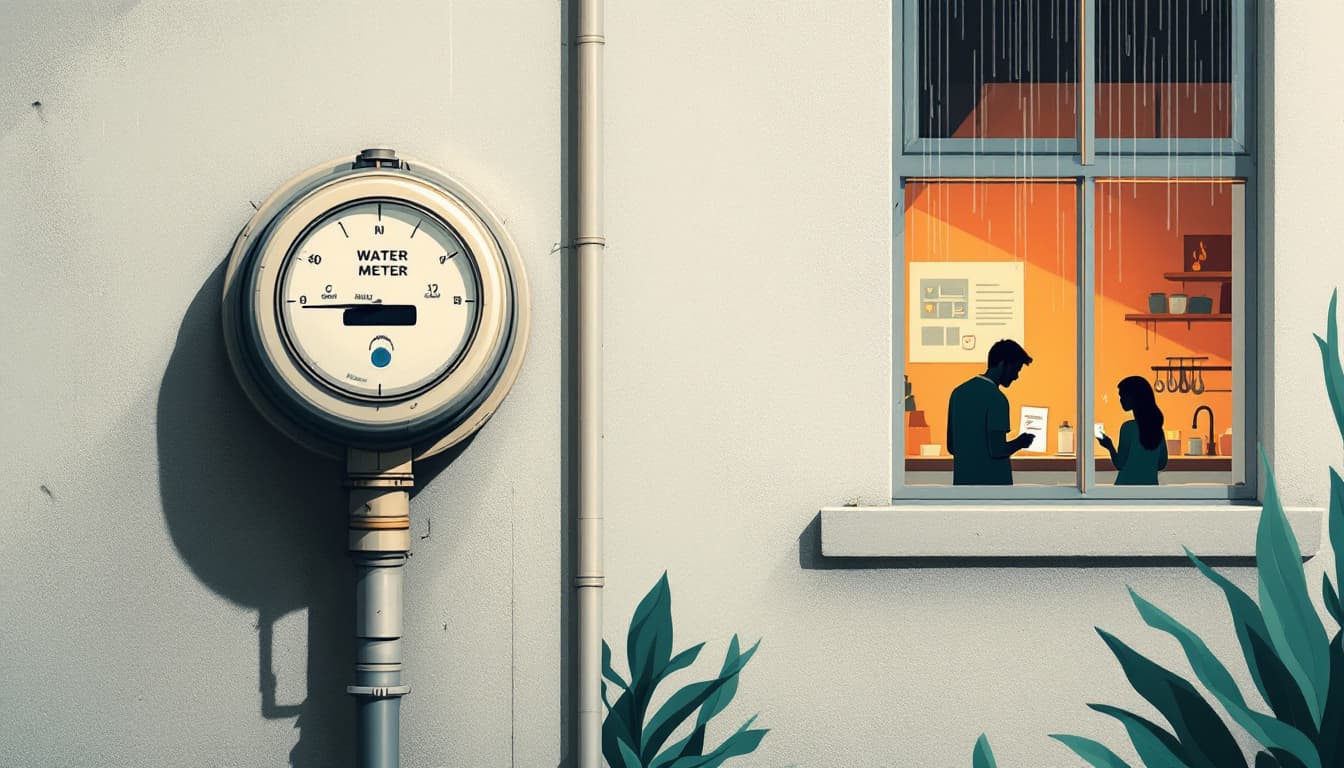
Audit your household's actual daily water use before summer. Most Texas families don't know their baseline. Pull your last two utility bills and divide your monthly gallons by 30. The Texas Commission on Environmental Quality publishes average residential use benchmarks — your number relative to that average tells you where your low-hanging fruit is. Irrigation is almost always the largest variable. A household that runs sprinklers on a timer through June is burning through water that will feel expensive by August if restrictions tighten.
If you're on a private well in the Hill Country or surrounding counties, test your static water level this month. A well driller or your county groundwater conservation district can tell you what "normal" looks like for your area and depth. If your static level is still measurably lower than pre-drought baselines, a good spring hasn't fixed your situation. Some Hill Country well owners found their pumps pulling air during the last drought peak; knowing your margin before summer heat arrives is the kind of information that lets you make a non-emergency decision rather than a panicked one.
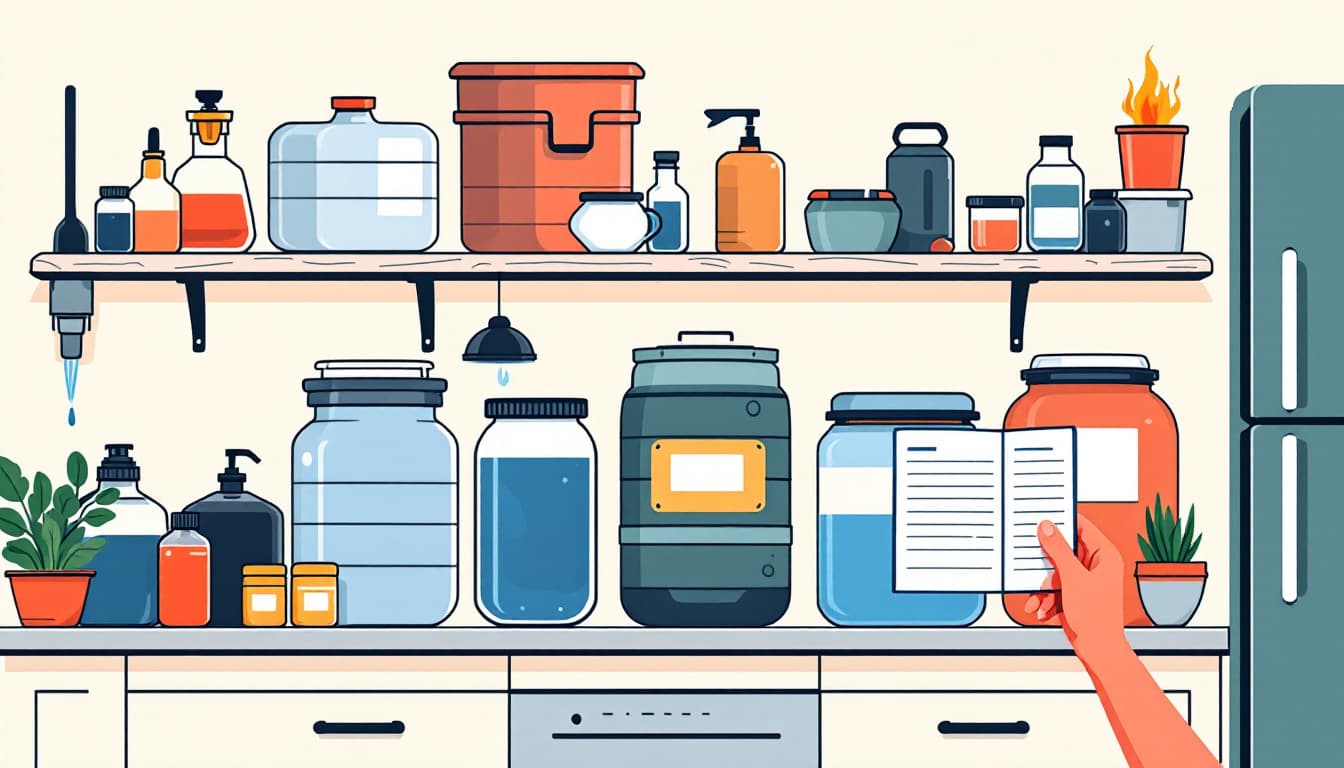
Store a week's worth of drinking water per person before June. This isn't a doomsday recommendation. It's the same logic as keeping a spare tire. FEMA's baseline guidance is one gallon per person per day. For a family of four, that's 28 gallons — achievable with seven large food-grade containers, stored cool and rotated annually. A boil-water notice during a summer storm outage, a main break during a heat event, or a utility transition can interrupt tap water for 24 to 72 hours. That scenario happens in Texas every summer somewhere.
The bigger picture
Water in Texas is a long game. The state's population grew by more than four million people in the last decade, most of them in regions that were already water-stressed. The Highland Lakes and the Edwards Aquifer are not keeping pace with that growth on their own, which is why the Texas Water Development Board's 50-year state water plan exists and why it runs to hundreds of pages of supply gap projections.
A lake filling up after rain is a good week. Durable water security for a Texas household means knowing your source, knowing your utility's pressure points, and building a small but real buffer before you need it.
The goal isn't to be afraid of summer. It's to not be caught flat-footed by it.